
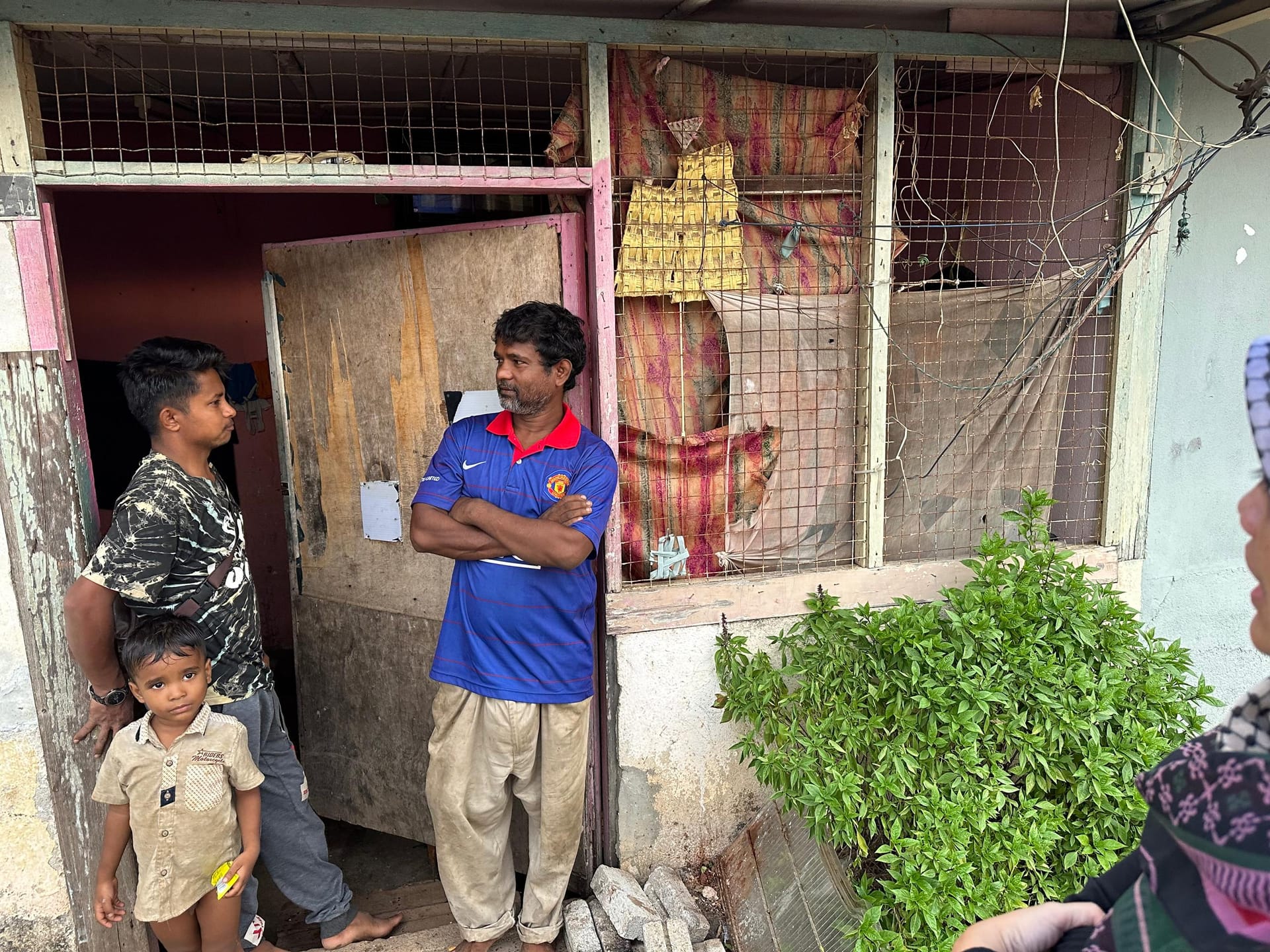
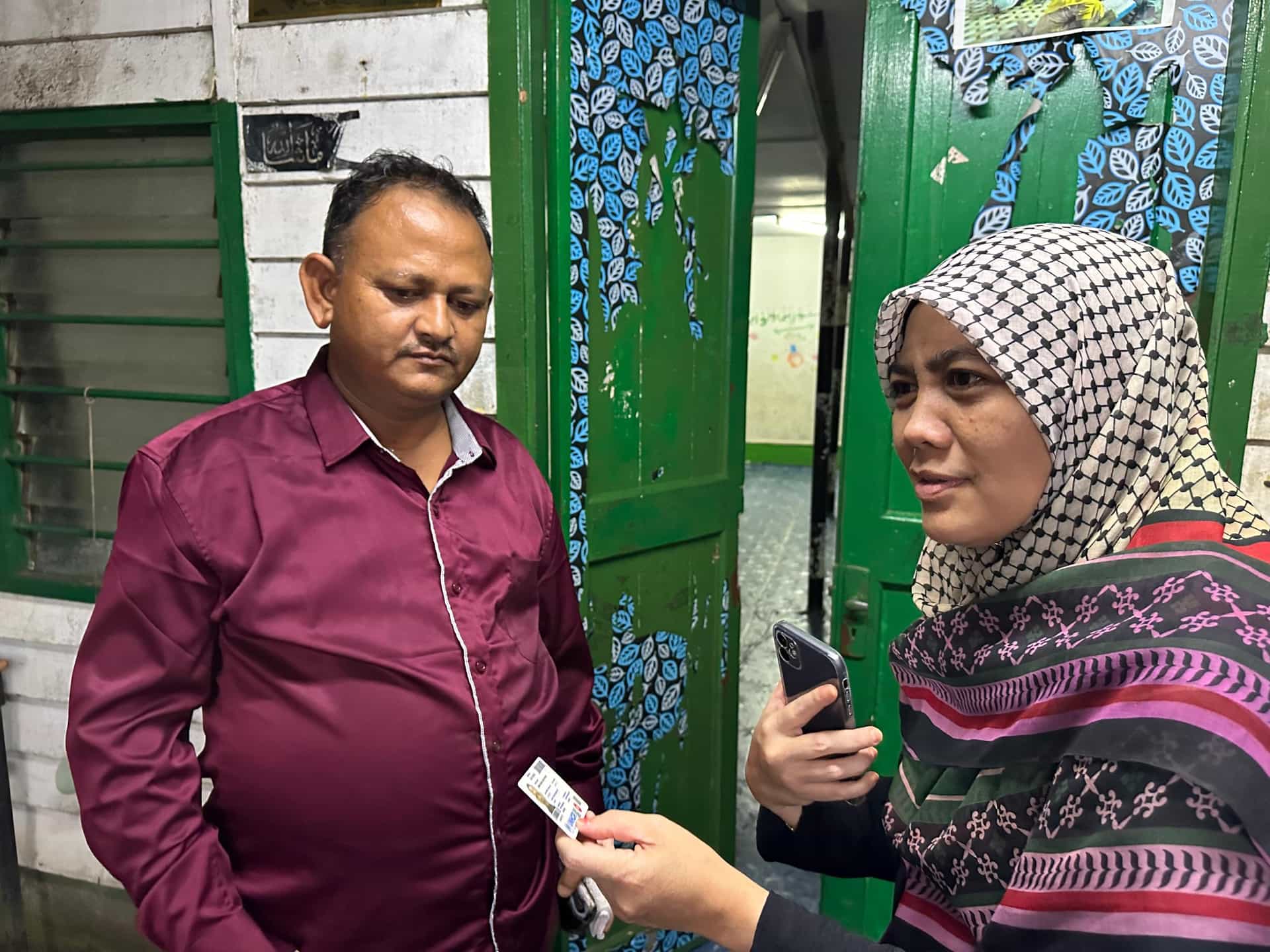
The recent enforcement operation conducted in Jalan Pulau Senang, Semabok, Melaka has once again brought national attention to the growing tensions surrounding the Rohingya refugee community in Malaysia. Reports revealed that more than 230 Rohingya individuals allegedly left the area before authorities arrived, leaving behind what locals described as an expanding informal settlement. As a Human Behavior Consultant, I, Laguvendran Sandran, together with Associate Professor Dr. Mashitah Binti Hamidi from the Department of Social Administration and Justice, Faculty of Arts and Social Sciences, Universiti Malaya, conducted interviews and observations to better understand the realities faced by both the local residents and the Rohingya community. What became evident throughout the engagement is that this issue is far more complex than simply identifying one side as problematic and the other as victims. At its core, the matter reflects deeper human behavioral patterns shaped by fear, survival, uncertainty, social adaptation, and the absence of long-term structural solutions.
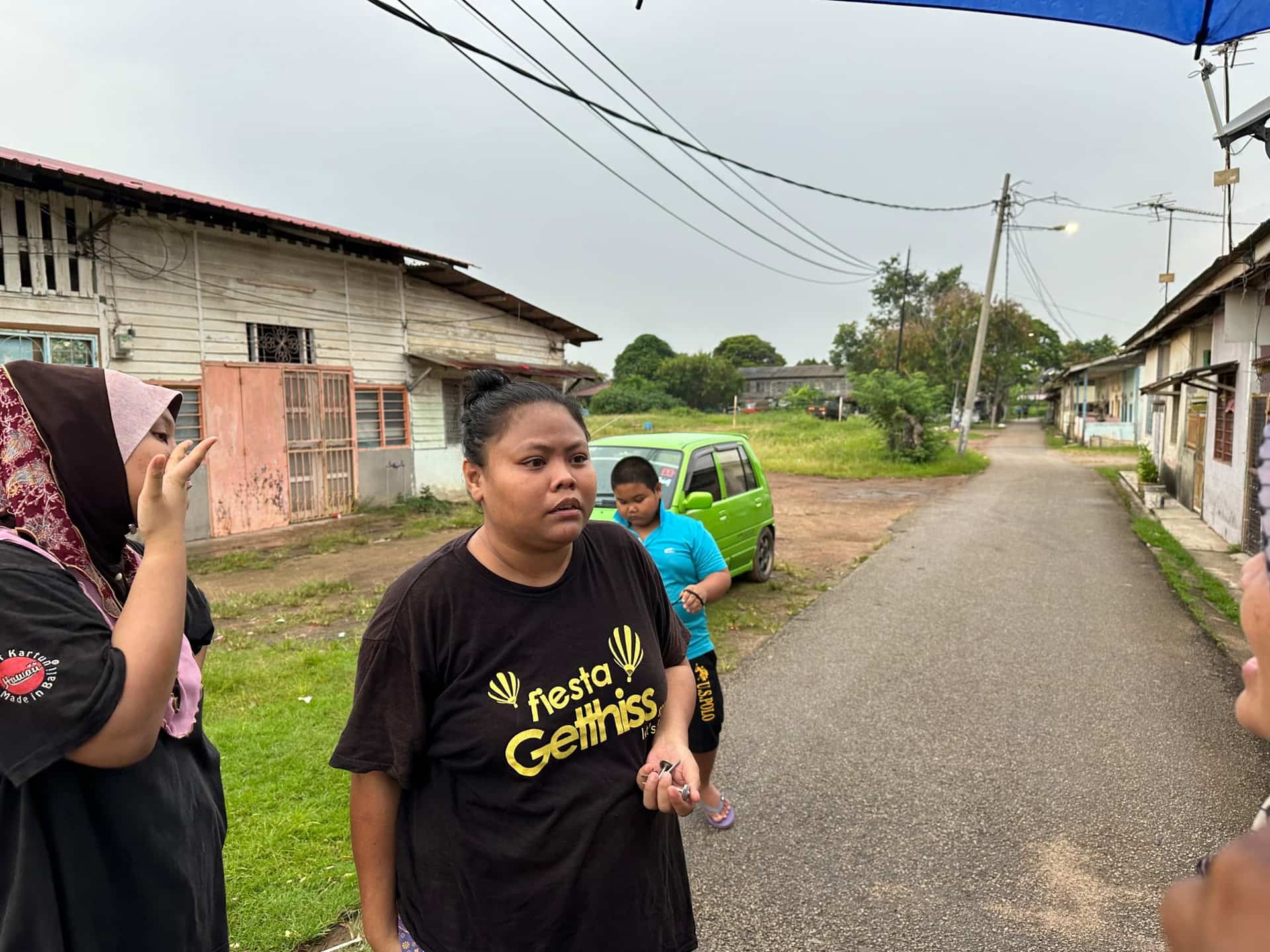
Many residents in Semabok expressed genuine concerns regarding safety, cleanliness, social harmony, and the rapid increase of Rohingya settlements within the area. Locals shared frustrations about late-night gatherings, noise disturbances, poor waste management, and incidents involving social misconduct that have created discomfort and anxiety among nearby families. From a human behavior perspective, communities naturally develop what is known as “territorial anxiety” when they begin to feel that their environment is changing too quickly without proper systems of regulation and control. When people perceive that law, order, and familiar social norms are weakening, fear and frustration become emotional responses that are difficult to avoid. For many residents, the issue is therefore not solely about ethnicity or nationality, but about the feeling of losing stability and security within their own community.
At the same time, our interviews also revealed the difficult reality faced by many members of the Rohingya community themselves. Having fled persecution, conflict, and displacement in Myanmar, many refugees continue to live in prolonged uncertainty without stable citizenship, proper legal protection, or long-term integration policies. As with any displaced population, human beings naturally seek safety, familiarity, economic survival, and a sense of belonging. This explains why refugee communities often gather in concentrated areas where they can rely on social support networks, establish informal businesses, and maintain cultural and religious practices together. However, when poverty, overcrowding, lack of educational access, and uncertain legal status persist over long periods, social tensions inevitably emerge between refugee communities and local residents.
One of the major concerns identified through our observations is that Malaysia continues to manage refugee-related issues largely through a temporary framework despite some communities having lived here for many years. This creates a dangerous social and behavioral gap where refugees remain trapped in uncertainty while local communities continue to feel increasing pressure on their surroundings. Authorities meanwhile face legal and operational limitations due to the complex position of UNHCR cardholders within the Malaysian system. The result is a repeated cycle of enforcement operations without sustainable long-term resolutions. From a behavioral science perspective, such conditions create what is known as a “liminal social state,” where individuals exist between acceptance and rejection, often leading to distrust, instability, and defensive behaviors from all parties involved.
It is important for Malaysians to understand that criminal or social issues involving certain individuals should not become justification for hatred toward an entire refugee population. At the same time, the concerns raised by local communities must not be ignored or dismissed. Both realities can exist simultaneously, and both deserve attention. The Semabok issue demonstrates the urgent need for structured and humane policy discussions that balance public safety, social harmony, and human dignity. Solutions such as stronger community monitoring, better housing regulation, improved sanitation management, employment formalization, and social integration programmes deserve serious consideration if Malaysia wishes to prevent future tensions from escalating further.
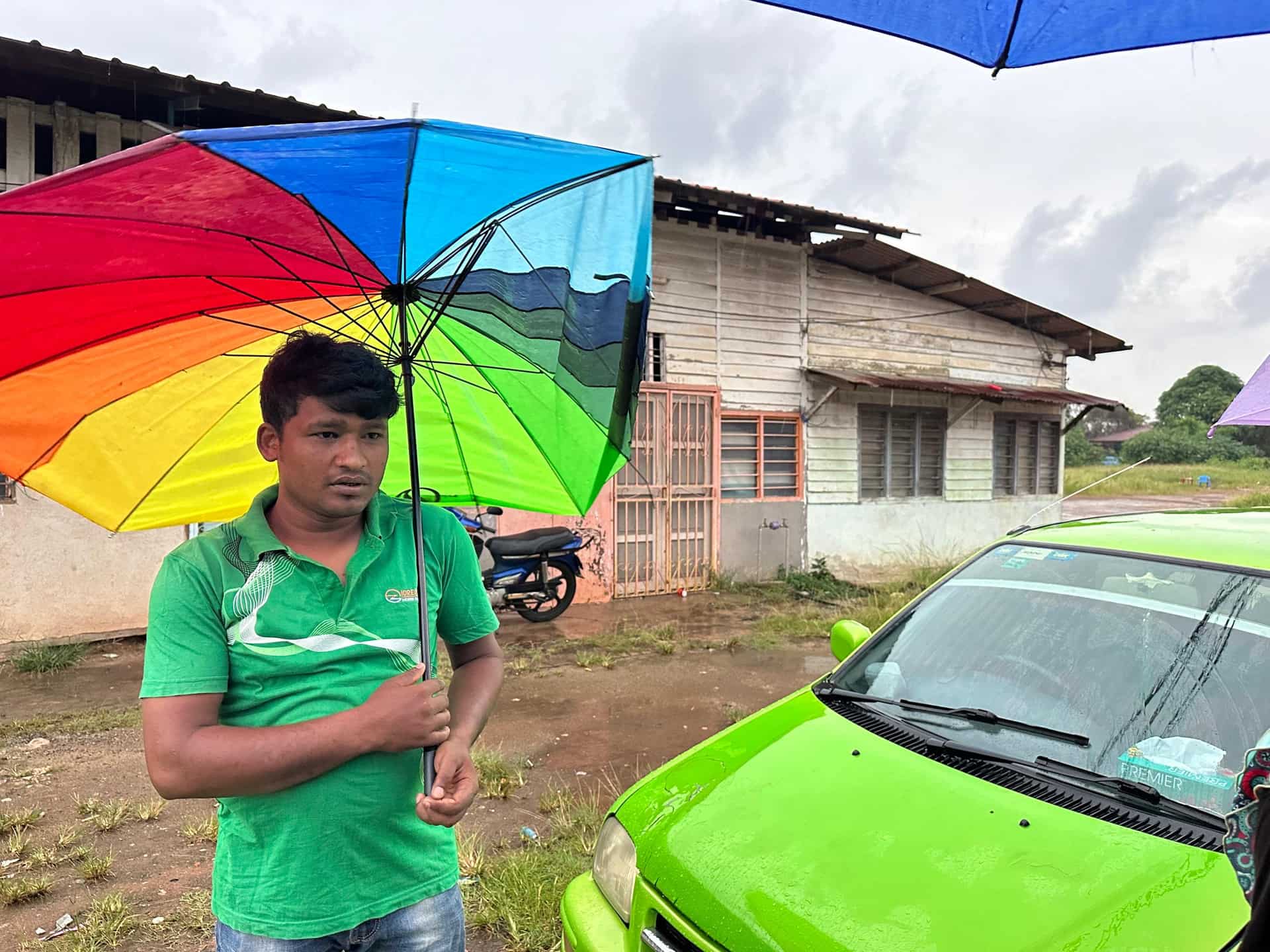
Ultimately, the situation in Semabok is not merely an immigration issue, but a reflection of how societies respond when vulnerable populations and local communities are forced to coexist without sufficient systems to support either side. If unmanaged, fear among locals will continue to grow while desperation among refugees will deepen. When fear and desperation exist within the same social space for prolonged periods, conflict becomes increasingly inevitable. Through our engagement and observations, we believe the solution lies not in dehumanizing either community, but in developing policies and social structures that restore dignity, accountability, order, and mutual understanding for everyone involved.
Laguvendran Sandran (laguvendran96@gmail.com) is a content creator under the Newswav Creator programme, where you get to express yourself, be a citizen journalist, and at the same time monetize your content & reach millions of users on Newswav. Log in to creator.newswav.com and become a Newswav Creator now!
The User Content (as defined on Newswav Terms of Use) above including the views expressed and media (pictures, videos, citations etc) were submitted & posted by the author. Newswav is solely an aggregation platform that hosts the User Content. If you have any questions about the content, copyright or other issues of the work, please contact creator@newswav.com.
