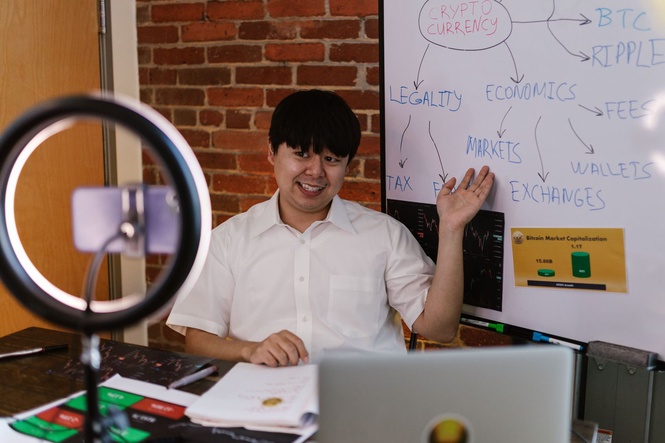
KUALA LUMPUR, Nov 18 - The government has been urged to introduce risk-based regulations for content creators who provide professional advice on social media, particularly in the health and financial sectors, to protect consumers without undermining freedom of expression or creativity in the digital economy.
Malaysian Consumers Friendly Association (PMPM) deputy president Azlin Othman said professional qualifications should be required in fields where unqualified advice could directly endanger consumers' lives or finances, such as medicine, pharmaceuticals and licensed investments, rather than for general lifestyle, fashion and entertainment content.
However, she cautioned that overly restrictive regulations could stifle freedom of expression and hamper the growth of small-scale content creators.
Regulations should therefore take into account the level of risk and the potential impact of such content on consumers, she said.
"The government should also adopt a co-regulatory approach involving influencer associations, digital platforms and professional bodies such as the Malaysian Medical Association (MMA), Securities Commission Malaysia (SC) and Bank Negara Malaysia (BNM), to ensure that the guidelines formulated are transparent and fair," she told Bernama.
Azlin said product founders or owners should bear primary liability if consumers suffered financial losses or health problems after relying on promotions by unqualified influencers, particularly those involving unregistered or fraudulent products.
However, she said influencers should also be held accountable if they deliberately posted false reviews, promoted prohibited products without proper checks or impersonated health and financial professionals.
She said digital platforms such as Meta and TikTok should collaborate with government agencies and professional verification bodies, including the Malaysian Medical Council (MMC) and SC, to verify the credentials of content creators offering specialised services or advice.
Displaying valid professional registration numbers or certificates could help reduce the risk of fraud, she said.
However, such measures should be complemented by financial and digital literacy education, as consumers remained vulnerable to impersonation accounts and the misuse of other people's credentials.
Meanwhile, Universiti Teknologi MARA (UiTM) Institute of Quality and Knowledge Advancement (InQKA) Head of Communication and Knowledge Advancement Assoc Prof Wan Hartini Wan Zainodin said a clear distinction should be made between sharing personal experiences and providing professional advice, particularly when the content involved commercial promotion.
She said sharing personal experiences of using a product did not necessarily constitute professional advice.
However, content that encouraged purchases, included sales links or claimed that a product could cure diseases amounted to commercial promotion and warranted appropriate regulation.
Wan Hartini said parasocial relationships, formed through repeated exposure to an influencer's content, could also lead followers to regard the individual as a familiar and trustworthy source of information, making them more likely to accept claims without verifying their accuracy.
"When an influencer delivers information confidently and uses scientific or financial terminology that sounds convincing, followers tend to regard the individual as an expert, even though they may not have the relevant qualifications," she said.
As such, she called for digital literacy education to be expanded through higher education institutions, professional bodies and the media industry.
These efforts could include short courses, micro-credentials, fact-checking workshops and legal literacy programmes to help content creators communicate information responsibly.
Nevertheless, Wan Hartini cautioned that overly stringent professional qualification requirements could marginalise independent content creators and individuals with practical experience but no formal education.
This, she said, could limit the diversity of voices on social media and stifle the growth of the digital economy, particularly among young people.