
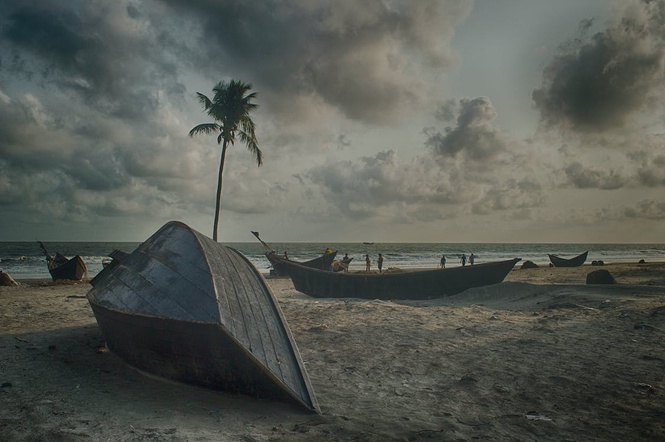
Defining world culture is a challenging task as it can be complex to describe. In my case, I come from Bangladesh, which has a Bengali culture that has been influenced by Hinduism historically. However, since Bangladesh became a secular country in 1971 with a Muslim-majority population, the Bengali culture has evolved and adapted to the majority of the people. Therefore, while my Bangladeshi culture has played a significant role in shaping who I am today, it does not solely define me. More things do, such as my religion and how strongly I follow it, the upbringing of my parents, which led to my upbringing, and for sure, the people I was surrounded by as I was growing up.
I could start by introducing myself, but it's important to recognize that one's name does not always provide a complete depiction of their background. Although names can offer insight into a person's religion or place of origin, it's not always a reliable indicator. This is particularly true in Bangladesh, where names like Priyodorshini may be perceived as a Hindu name when the person is actually Muslim. In Bangladeshi culture, Muslims frequently have names that are not typically associated with Islam, such as Chokroborty or Kapoor, which are traditionally Hindu surnames. Therefore, it's crucial to avoid making assumptions about someone's religion based solely on their name, especially in Bangladeshi culture.
My given name is Saad Ali Siddiqui, a common name for Muslim children. My first name means success, good fortune, and good luck. It seems my family gave me this name with the expectation that I would become wealthy. While I appreciate luxury, money has never been my main focus. My mother, on the other hand, calls me Faraz, which means Elevation. I interpret this as a desire to improve upon everything I do, whether it involves work, fun, or travel. For instance, I attended primary school in Bangladesh but moved to India for my secondary education. When my family suggested I attend university in Bangladesh, I refused. They claimed it would be more convenient for me, with ready-made food, transportation, and housing. However, I believe I was not born to coast through life. I thrive on challenges and enjoy taking on more work than I can handle. How else can I grow without testing my boundaries? My name reflects my life goals: to elevate my skills, passions, and experiences as a journalist by tackling new and difficult challenges. While being wealthy would be nice, I'd rather be intelligent and poor than rich and ignorant.
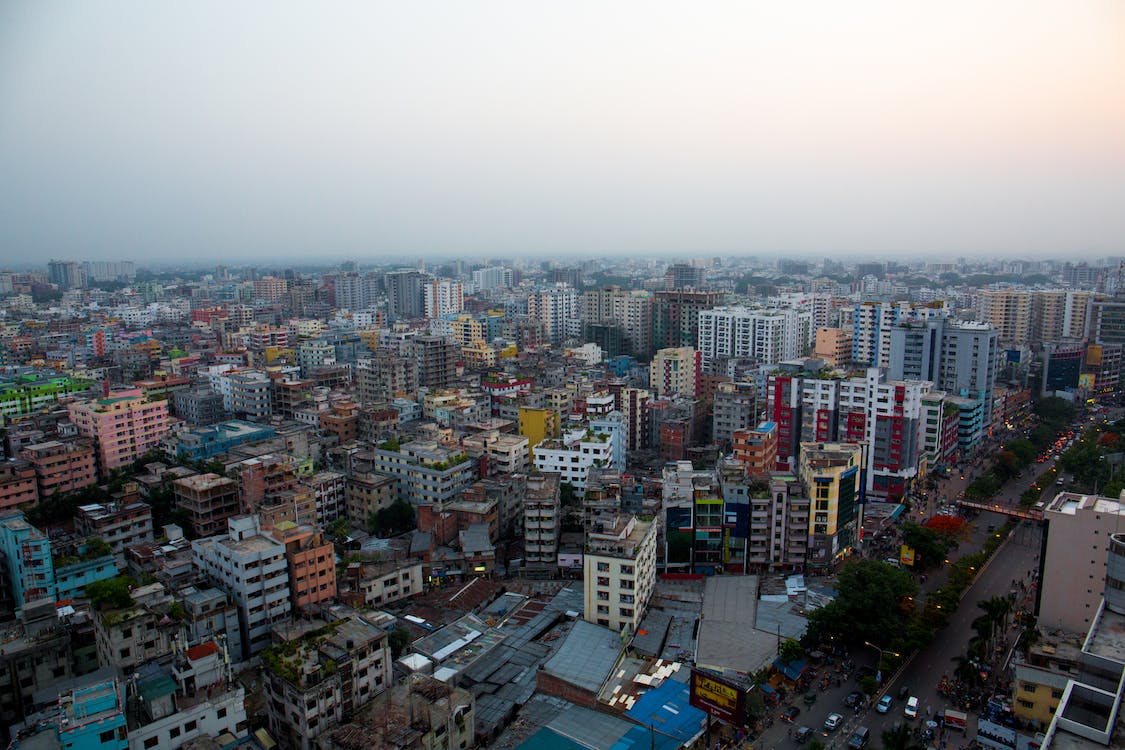
I come from an upper-middle-class family that provided a mix of luxury and budget. This allowed me to have more opportunities than a typical middle-class child but not excessively extravagant. As an example, my family could afford to send me to a British Boarding school in India for secondary education, but not to a boarding school in Europe or America. As a male individual born and raised in a South Asian household, I have encountered various challenges that come along with the societal expectations and pressures imposed on me from a young age. These expectations can sometimes feel overwhelming and suffocating, as they require me to take on more responsibilities than I may be comfortable with. Consequently, I have learned to cope with these pressures by adapting to them, even though it may be overwhelming at times.
In Bangladesh, many noteworthy commemorations occur to pay homage to the martyrs who valiantly gave their lives during the Liberation War of 1971. The passage of time has not dampened the fervor with which these events are observed, as the country continues to hold the utmost reverence for these heroic freedom fighters. The struggle for independence from Pakistan and the formation of Bangladesh as a separate nation in 1971 has influenced how Islam is viewed and practiced. The founding fathers' secular ideology aimed to promote peaceful coexistence among different religions, including Islam, while highlighting the importance of national unity and cultural diversity. This has instilled in me a deep sense of obligation to uphold the values of history, honor, love, inclusivity and respect for my beloved homeland. By lending my efforts to its progress and development in the future, I wish to honor the sacrifices made by the brave defenders of freedom.

Food has a remarkable ability to bring people together. Bangladeshi cuisine boasts a rich culinary heritage that is renowned for its diverse range of flavors and unique cooking techniques. The local diet is primarily centered around three key ingredients: rice, fish, and lentils. These staples are transformed into mouthwatering delicacies through the use of a variety of aromatic spices and herbs, resulting in an explosion of flavors in every bite. Popular dishes in Bangladesh are the fragrant biryani found in every street, the creamy korma, and the hearty bhuna. The cuisine is also notable for its use of mustard oil, panch phoron (a blend of five spices), and other aromatic ingredients infusing each dish with its distinct character. Finally, every meal is complete without indulging in the sweet treats that are a hallmark of Bangladeshi cuisine, such as the delectable rasgulla, the melt-in-your-mouth sandesh, and the creamy mishti (sweet) doi. I must confess my deep love and admiration for Bangladeshi cuisine, which stands out for its incredible diversity and flavorful dishes. Whenever I travel to different parts of the world, I actively search for opportunities to indulge in its unique and delicious food. Of course, I also relish the chance to explore the local cuisine of the countries I visit, especially at local restaurants. But when I am away from Bangladesh for an extended period, I make it a point to find a way to savor the delights of its cuisine, which I hold in high esteem.
My personal identity and future prospects have been significantly shaped by the cultural environment in which I was raised. Not only has culture influenced me, but it has also deeply impacted my parents, who, in turn, have had an effect on my upbringing. The customs, traditions, and values that have been passed down through generations have played a major role in shaping my communication style, lifestyle choices, and overall worldview. However, my experiences of traveling and living in different countries have further broadened my horizons and shaped me into a more well-rounded individual.
Faraz is a content creator under the Newswav Creator programme, where you get to express yourself, be a citizen journalist, and at the same time monetize your content & reach millions of users on Newswav. Log in to creator.newswav.com and become a Newswav Creator now!
The User Content (as defined on Newswav Terms of Use) above including the views expressed and media (pictures, videos, citations etc) were submitted & posted by the author. Newswav is solely an aggregation platform that hosts the User Content. If you have any questions about the content, copyright or other issues of the work, please contact Newswav.