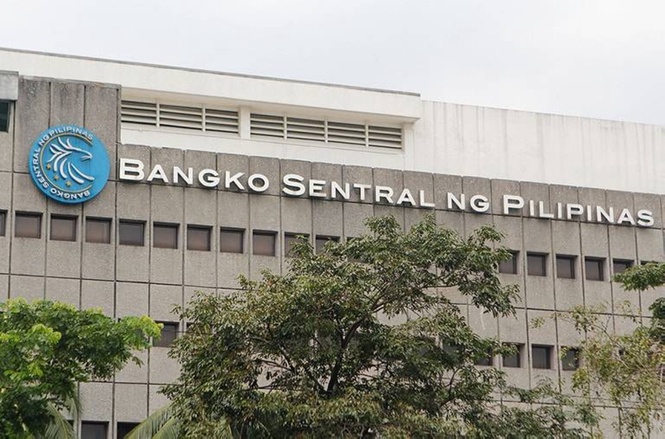
THE Bangko Sentral ng Pilipinas (BSP) may need to raise interest rates by 50 basis points as it meets today instead of the widely expected quarter-point to contain accelerating inflation, a former deputy governor of the central bank said.
In a report released on Wednesday, GlobalSource Partners economist Diwa Guinigundo said a larger rate increase was warranted as headline and core inflation accelerated, warning that rising price pressures could become more persistent if policymakers do not respond decisively.
“A 50-basis-point increase in the BSP policy rate merits serious consideration to help anchor inflation expectations and contain the risk of further price increases,” Guinigundo said.
“Delaying an appropriate response could allow inflation to persist, eventually producing possible demand destruction as households cut consumption because their real incomes can no longer keep pace with prices,” he added.
Guinigundo argued that the deterioration in the inflation outlook called for a stronger response, saying the central bank needed to consider not only current price increases but also the risk that inflation would become more deeply embedded in household and business expectations.
Headline inflation accelerated to 7.2 percent in September from 6.1 percent in August, bringing average inflation in the first nine months of 2026 to 5.4 percent, above the central bank’s 2.0 to 4.0 percent target range.
Core inflation, which excludes selected volatile food and energy items, also increased, averaging 3.8 percent in January to September, compared with 2.4 percent in the same period last year.
“The increase in core inflation matters because it suggests that price pressures may be extending beyond volatile food and energy items,” Guinigundo said.
Guinigundo said elevated global fuel prices, the peso’s depreciation and potential El Niño-related disruptions to agricultural production would be the key risks to the inflation outlook.
“These pressures can reinforce one another, squeezing household budgets and raising business costs,” Guinigundo said.
“With headline and core inflation rising together, the BSP has good reason to worry that the shocks could become more deeply embedded in pricing decisions and inflation expectations,” he added.
A stronger signal
Guinigundo said monetary policy takes time to affect the economy, meaning inflationary pressures could persist if they are not addressed promptly.
“Waiting until all the risks have materialized could leave the BSP confronting a more persistent inflation problem, requiring a longer period of restrictive policy later,” Guinigundo said.
“A quarter-point increase would continue the tightening cycle, but may not adequately reflect the scale of the deterioration in actual inflation and the outlook,” he added.
The BSP’s Monetary Board is scheduled to meet today, with its benchmark interest rate currently at 5 percent following three rate increases this year.
A 25-basis-point increase would bring the policy rate to 5.25 percent, while a 50-basis-point hike would raise it to 5.5 percent.
A 50-basis-point increase, Guinigundo stressed, would send a stronger signal of the central bank’s commitment to price stability and could help prevent temporary supply shocks from developing into more persistent inflation.
“With the BSP itself projecting above-target inflation through 2027, a more decisive initial response is defensible,” Guinigundo said.
“It would also help reinforce confidence that the Bank remains committed to its inflation target despite the difficult trade-offs,” he added.
Guinigundo also said that a tighter monetary policy would aim to limit second-round effects, in which higher food, fuel and transportation costs feed into wage demands, business pricing decisions and expectations of future inflation.
If those effects become entrenched, the BSP could eventually be forced to maintain restrictive monetary conditions for longer to bring inflation back within target.
“The challenge is to prevent an external price shock from becoming a more generalized and persistent domestic inflation problem,” Guinigundo said.
Fiscal measures needed
Guinigundo acknowledged that a tighter policy could further restrain investment, consumption and growth.
He then stressed that monetary policy should be complemented by measures addressing the supply-side causes of inflation.
“Improving food distribution, strengthening agricultural productivity, and addressing energy and transport bottlenecks would help ease price pressures without placing the entire burden of adjustment on interest rates,” Guinigundo said.
He added that the government could also provide targeted support to vulnerable households to protect purchasing power, provided the measures do not unnecessarily add to overall demand.
“The economy is weak, but inflation is well above target, underlying price pressures are rising,” Guinigundo said.
He argued that the objective is not to choose between price stability and economic growth, but to prevent the erosion of purchasing power from becoming another drag on growth.
“A 50-basis-point increase is the more defensible choice,” Guinigundo said.
“It would recognize the deterioration in price conditions while leaving room for subsequent decisions to respond to incoming data,” he added. NIÑA MYKA PAULINE ARCEO