


Malim Nawar is a former tin-mining site in the Kinta Valley, Perak.
It is located in near Ipoh and Kampar. However, it's not situated on the trunk road between Ipoh and Kampar. To reach the town you have to turn off the main road at Kuala Dipang (turn right if you are travelling from Ipoh to Kampar)
Tin mining in Malim Nawar began in the late 19th century and reached its peak in the 1920s, when there were several tin dredges near Malim Nawar.
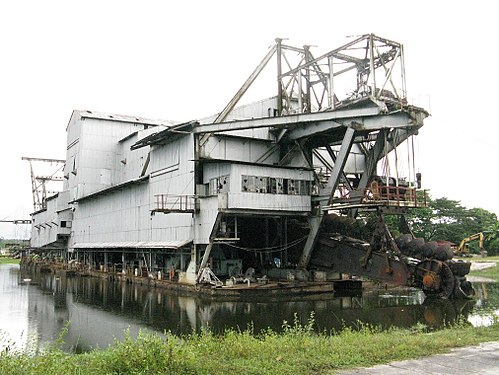
Tin mining in Malim Nawar declined after World War II due to the depletion of tin deposits, the rise of labour costs, and the competition from other tin-producing countries.
The above fact itself is of historical significance. However, this article focuses on 4 important places in Malim Nawar that are related to World War 2 (1939 - 1945) - this article and Malayan Emergency (1948 -1960) - next article.
The two places in or near Malim Nawar that are related to World War 2 (specifically the Japanese Occupation):
1. Green Ridge: A Bloody Battlefield in the Malayan Campaign
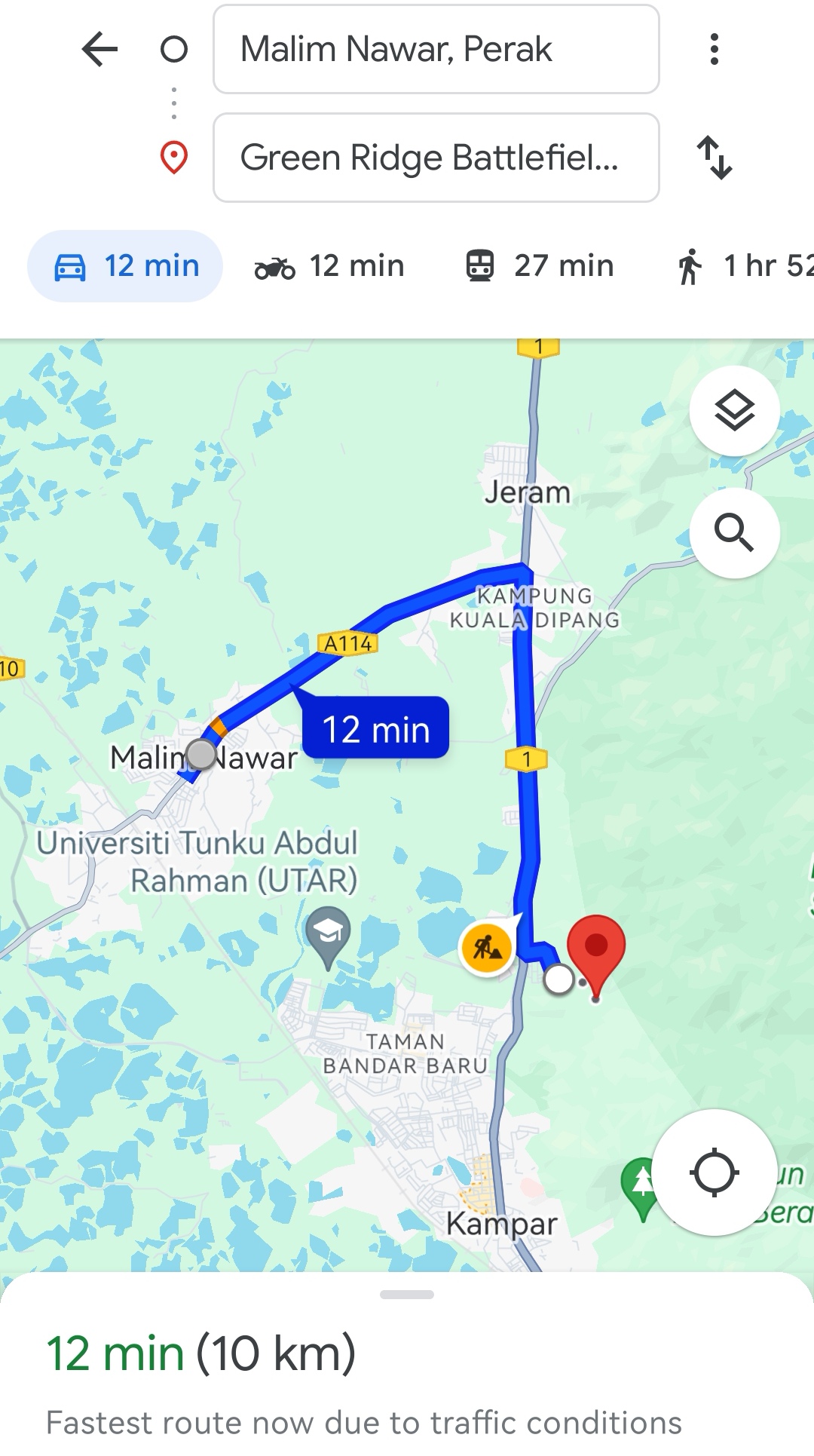
Green Ridge is a hilltop site overlooking the town of Kampar in Perak, Malaysia.
Green Ridge was also the scene of a fierce battle between the British Commonwealth forces and the Japanese invaders during the Malayan Campaign of World War 2 (ref 1, 2)
The Malayan Campaign was a series of military operations to capture Malaya and Singapore.
The Japanese aimed to capture Malaya and Singapore, the main British base in Southeast Asia, and secure the vital resources of rubber and tin.
The Japanese invasion of Malaya in World War 2 began on 8 December 1941, when the Japanese forces landed at Kota Bharu on the border of Malaya and Thailand.
One of the key defensive positions held by the British was Kampar, a town in the Kinta Valley that controlled the main road to the south.
The Battle of Kampar saw the combined troops of the British Royal Leicestershire and East Surrey Regiments, as well as the 11th Indian Infantry Division under Major-General Archibald Paris.
The Japanese attacked Kampar on December 30, 1941, with the 5th Division under Lieutenant-General Takuro Matsui, who had about 9,000 men, 200 tanks, and 100 artillery pieces.
The most intense fighting took place on Green Ridge.
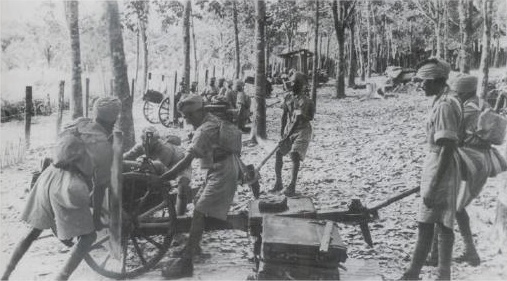
The Japanese repeatedly assaulted the ridge, but were repulsed by the defenders, who fought with bayonets and grenades.
The battle on Green Ridge lasted for four days, from December 31, 1941, to January 3, 1942, and resulted in hundreds of casualties on both sides (ref 1,2)
The Battle of Kampar was a tactical victory for the British, who managed to delay the Japanese advance and inflict disproportionate losses on them.
Today, Green Ridge is a historical site that commemorates the bravery and sacrifice of the British and Indian soldiers who fought there.
A signboard and a plaque have been erected on the ridge, and a memorial service is held every year on January 2.
The battle of that occured at the Green Ridge was well documented by historians such as Harcharand Singh Bedi and Chye Kooi Leong .
2. The Carbide Chimney and Japanese graveyard in Malim Nawar
(a) The Carbide Chimney
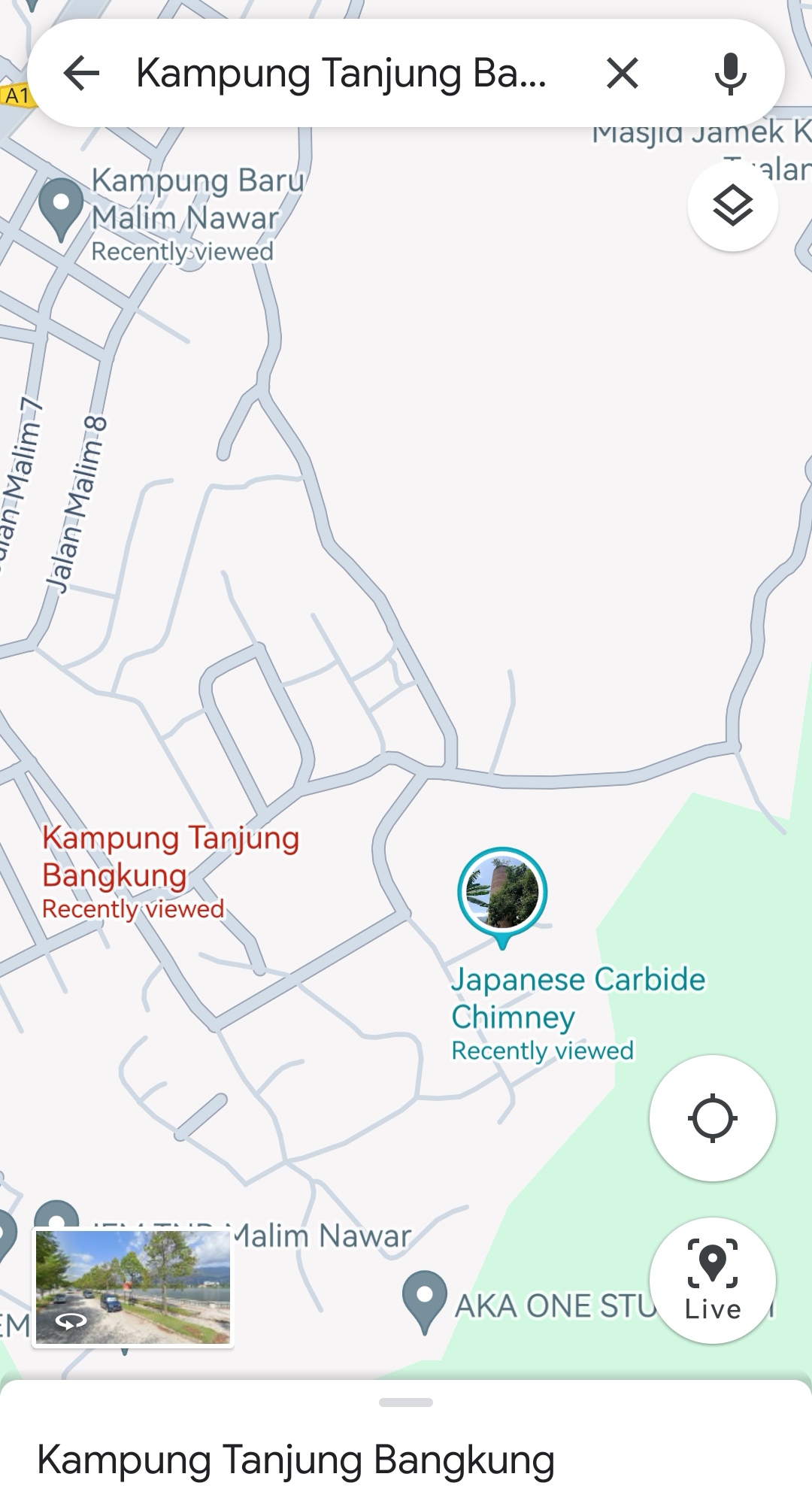
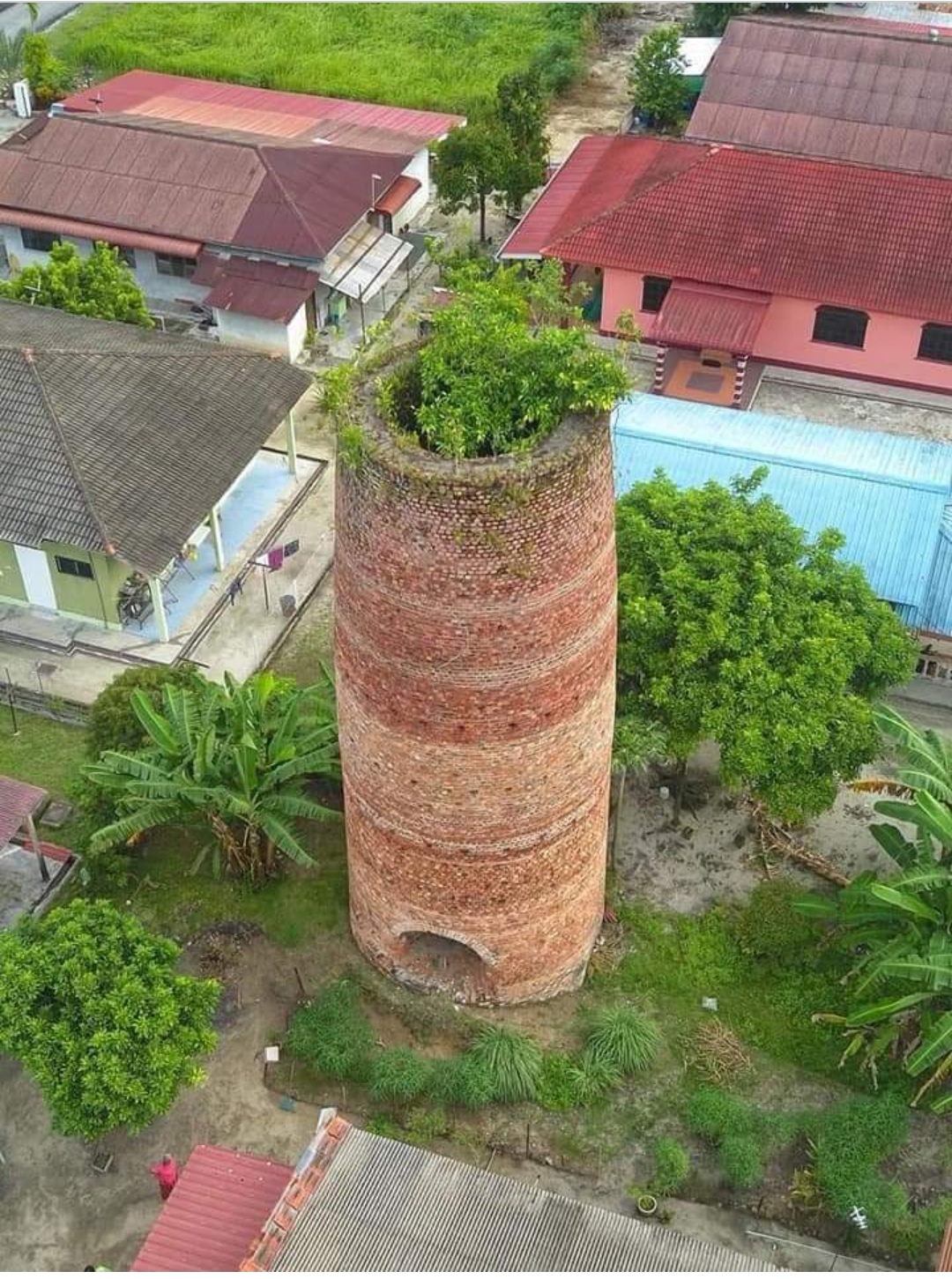
Malim Nawar Chimney is a World War 2-era brick chimney constructed by the Japanese as part of a factory to manufacture carbide for armament purposes, though it is said that the facility was never completed.
The carbide factory was built to produce calcium carbide, a chemical used for making explosives and gas masks.
The factory was never completed, as the British forces bombed it in 1944
The chimney and a small guard house are all that remain of the carbide factory which is located in the village of Kampung Tanjung Bangkung at Malim Nawar.
The chimney is about 18 metres high with a diameter of 6 metres at the base, tapering to about 3 metres at the top. It is in reasonable condition for its age.
(b) The Japanese graveyard
The Japanese graveyard in Malim Nawar is located near the carbide factory,
The Japanese soldiers who worked at the factory, as well as those who died in battles or diseases, were buried in a nearby plot of land, which became the graveyard .
The graveyard was originally marked by wooden crosses, but these were later replaced by concrete tombstones, each with a name and a date of death.
The graveyard was maintained by the Japanese government until 1970, when it was handed over to the Malaysian government.
Since then, the graveyard has been neglected and vandalized, and many of the tombstones have been damaged or stolen.
The graveyard is now surrounded by a fence, but there is no signboard or plaque to indicate its location.
References:
1. Wikipedia
2. thestar.com

Submit your #BackInTime stories that revolve around the theme of nostalgia and stand a chance to win prizes worth up to RM8,000! Find out how you can participate here.
Kevin Wong is a content creator under the Newswav Creator programme, where you get to express yourself, be a citizen journalist, and at the same time monetize your content & reach millions of users on Newswav. Log in to creator.newswav.com and become a Newswav Creator now!
The User Content (as defined on Newswav Terms of Use) above including the views expressed and media (pictures, videos, citations etc) were submitted & posted by the author. Newswav is solely an aggregation platform that hosts the User Content. If you have any questions about the content, copyright or other issues of the work, please contact Newswav.