
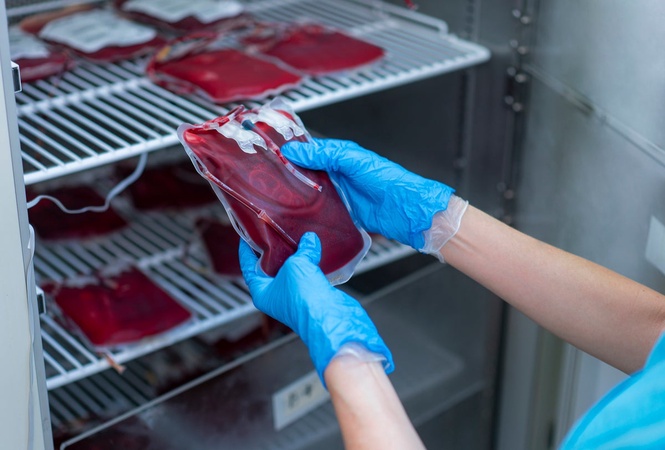
Blood banks in France were hit by a cyberattack, the French health ministry has said, the latest in a series of online hoaxes and cyberattacks across Europe.
“Several regional facilities of the French Blood Establishment (EFS) were affected by a cybersecurity incident that impacted certain cold storage room monitoring and control systems,” the ministry said.
The incident follows attacks that forced stores in eight European countries to throw away vast quantities of food after hackers tampered with their fridges on Monday, mirroring hacks that swept dozens of supermarkets in France three weeks ago.
But there was no damage to blood products in the centres following the attack, which took place on Monday but was publicised on Wednesday.
“The situation is now under control and is being closely monitored,” the French health ministry added.
“The safety of the blood supplies was preserved thanks to the facilities’ monitoring and alarm systems, as well as precautionary measures immediately implemented.”
Investigations into the incident and equipment potentially affected are underway as authorities look at a timeline for a safe return to service for the blood banks.
On Wednesday, French cooperative bank Credit Mutuel Arkea said it had been hit by a cyberattack which “enabled fraudulent transactions to be carried out” – but that no money belonging to clients had been affected.
The bank said the incident has been contained and operations are resuming now, adding that the authorities were alerted to the incident.
The attacks come after British meat suppliers and supermarkets in seven European countries were forced to throw out their supplies after a suspected cyberattack.
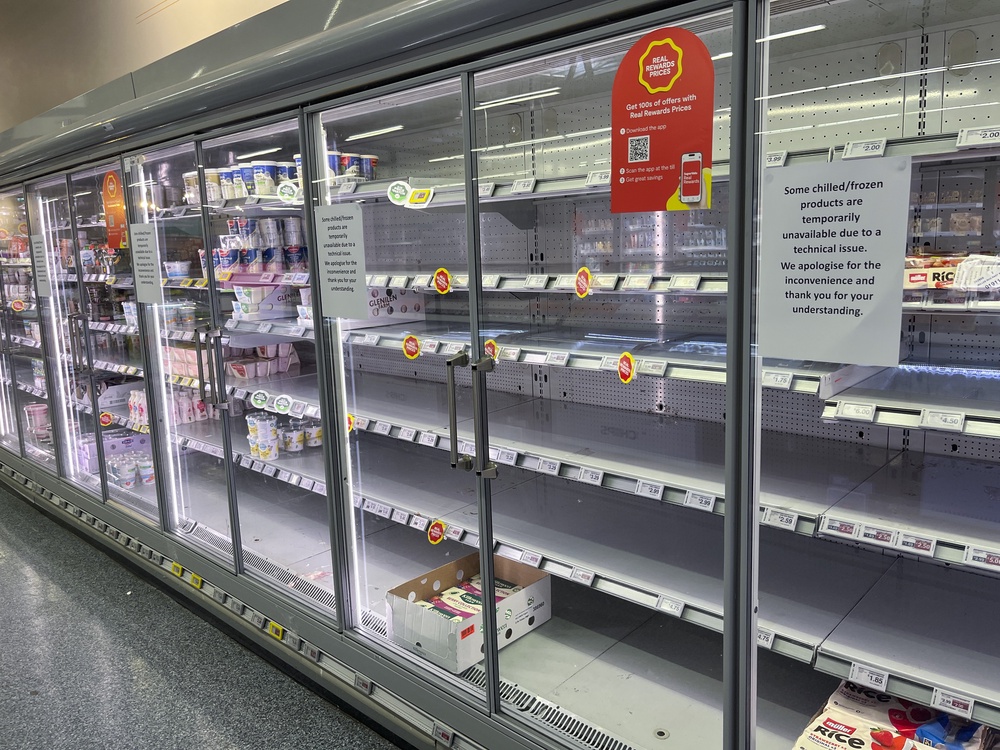
Fridges and freezers have been hacked, with thermostats remotely cranked up in some cases to 50C (122F), while others have been set to “defrost” mode, putting the heat to 15C rather than minus 22C.
Hundreds of shops were targeted by the overnight cyberattack, which caused millions of Euros worth of fresh and frozen food to be spoiled.
The UK National Cyber Security Centre warned British retailers to urgently update the software on fridge temperature controllers, adding that the attack is a “wake-up call” and that our “digital infrastructure remains outdated and vulnerable”.
It also followed a series of bomb hoaxes across Europe on Tuesday, which caused significant flight disruption and the closure of an airport in Poland.
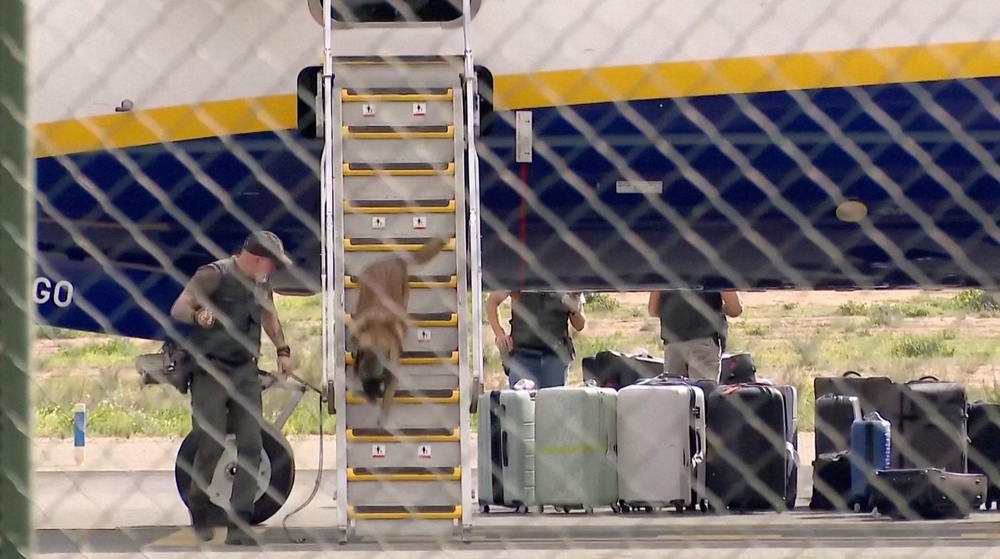
At least seven flights in Europe were subjected to bomb threats, forcing several planes to divert and an airport in Poland to close in a day of chaos on Tuesday.
“Malicious” bomb scares on two flights from London, and others from Manchester, Copenhagen, Israel, Dublin, Bergamo and Lisbon threw airports into disarray, with authorities searching planes after some of the flights went through emergency landings.
The diversion of the flights with hundreds of passengers on board, and temporary closures of airports, raises concerns over the ease with which agitators can cause major disruption.
A government spokesperson said of the two planes affected that departed from Britain: “The UK has one of the most robust aviation security systems in the world, with well-tested processes for dealing with any potential threats, as well as malicious hoax threats, like those we’ve seen today.
“Our world-leading police and intelligence agencies work closely every day to keep us safe, using the tools they have to assess and respond to potential threats.”
Two Ryanair flights from Dublin and Lisbon were searched following anonymous tips regarding potential bomb threats, the airline said.
Read MoreEurope faces gas shortages this winter unless Trump strikes peace deal with Iran
Hackers steal 320,000 UK school files and publish them on dark web
Banks see record cash withdrawals after government stockpiling advice
Violent attack breaks out at Greek university as three in hospital with injuries
The country of 630,000 on track to become the EU's 28th member state
Ukraine war live: Zelensky condemns Moscow’s ‘insane’ attack on school


