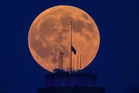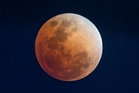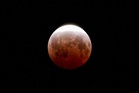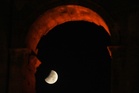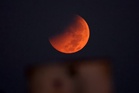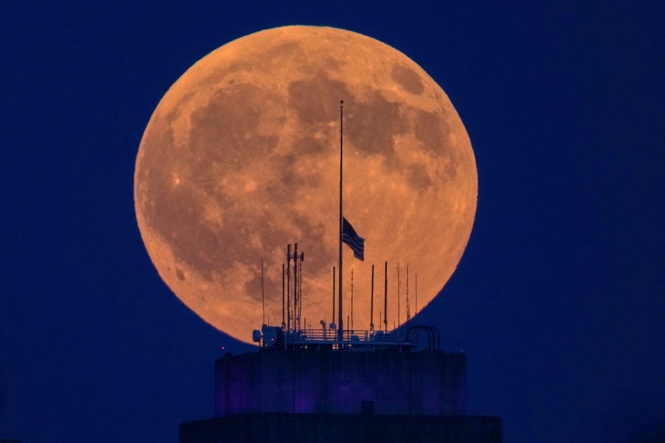
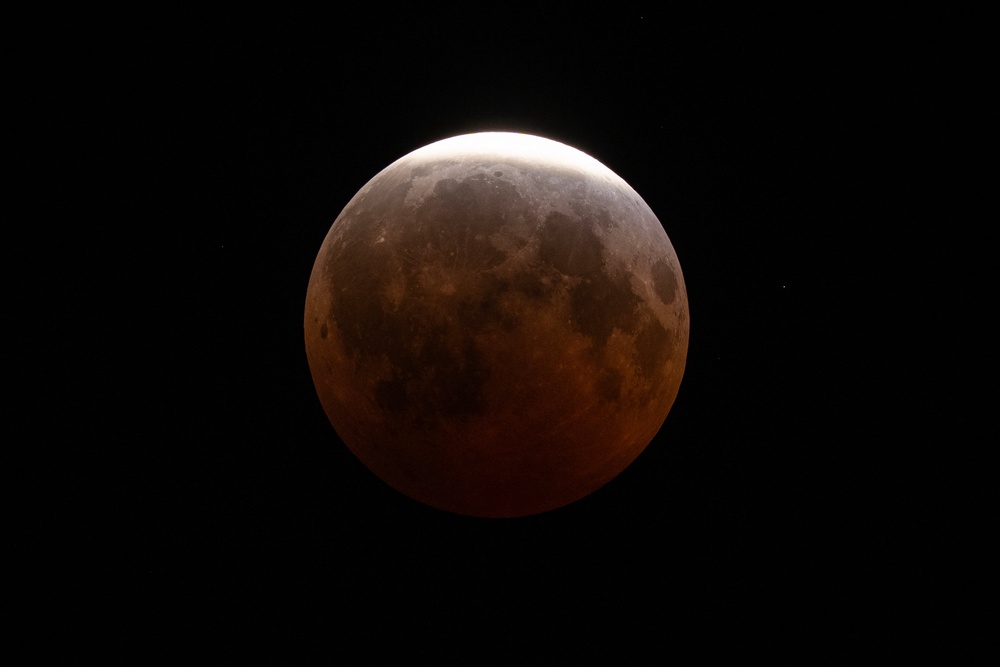
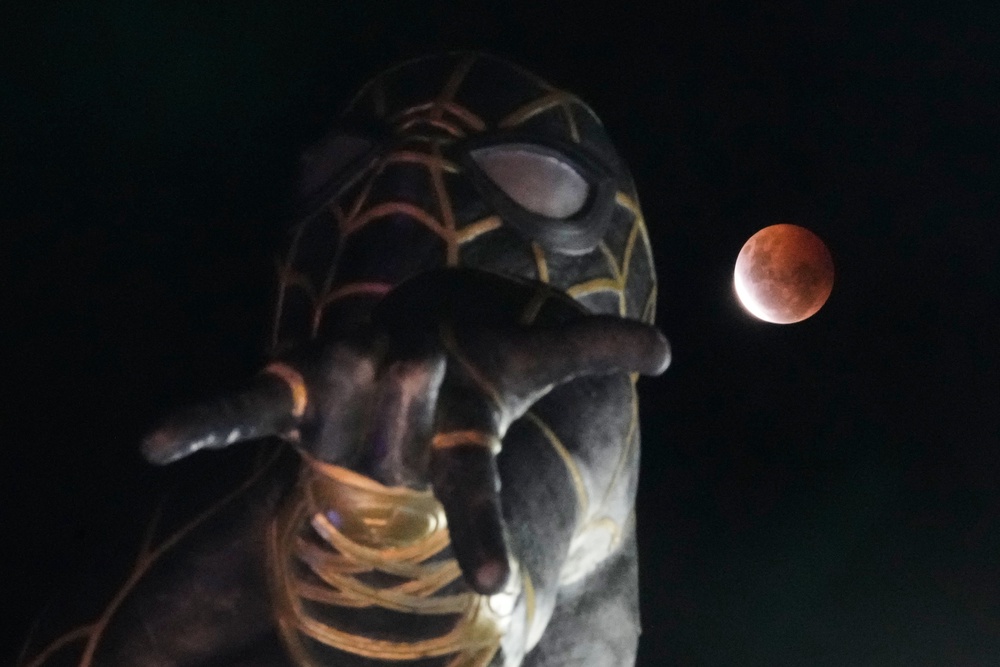
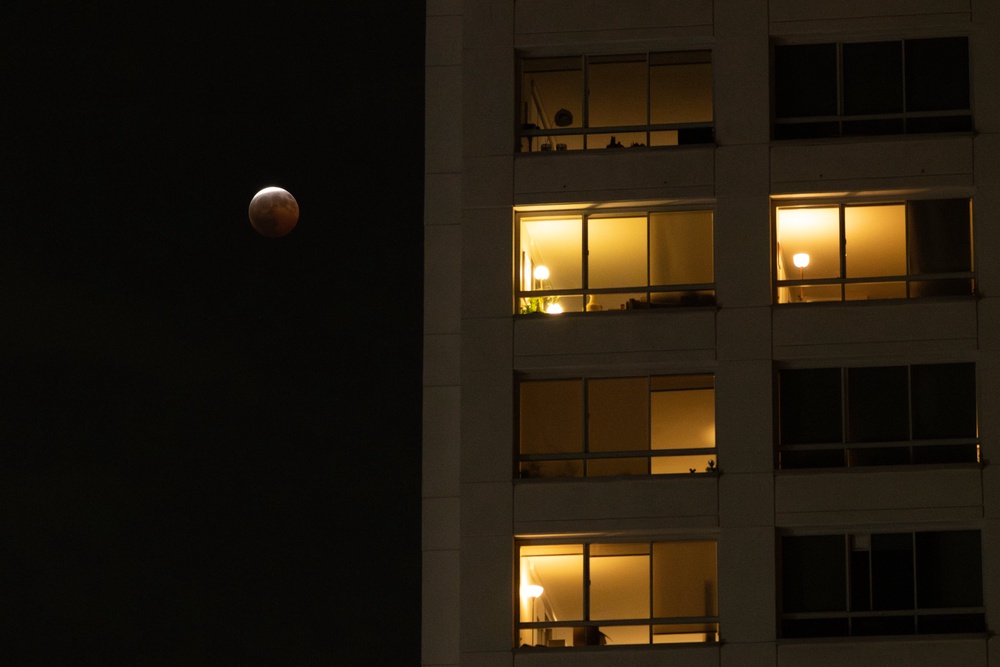
The Moon briefly turned a deep, eerie red this morning as the Earth blocked out its light from the Sun in a lunar eclipse.
Roughly 96 per cent of the lunar surface was shrouded, creating an exceptional partial eclipse.
Nearly one billion people in North, Central, and South America had a complete view. Globally, over three billion people—44 per cent of the world's population—were positioned to see at least part of the event.
It formed the second act of a celestial show, coming two weeks after a total solar eclipse swept across Greenland, Iceland, and Spain.
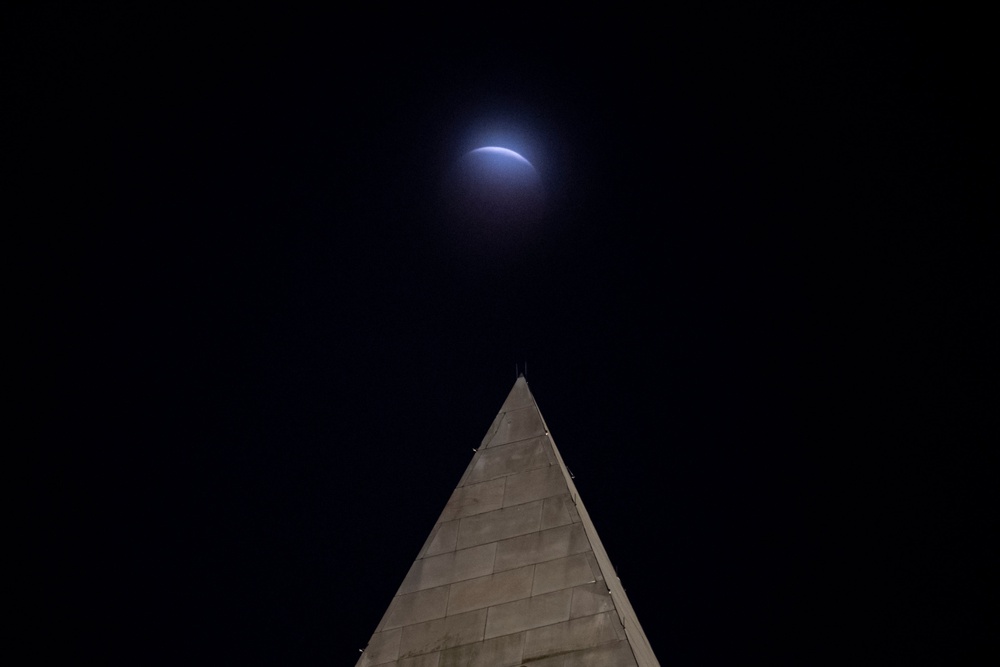
Eclipses occur in pairs because the sun, moon, and Earth align precisely enough for one to mask the other. The moon is 400 times smaller than the sun and 400 times closer to Earth, making them appear identical in size—a rare cosmic coincidence.
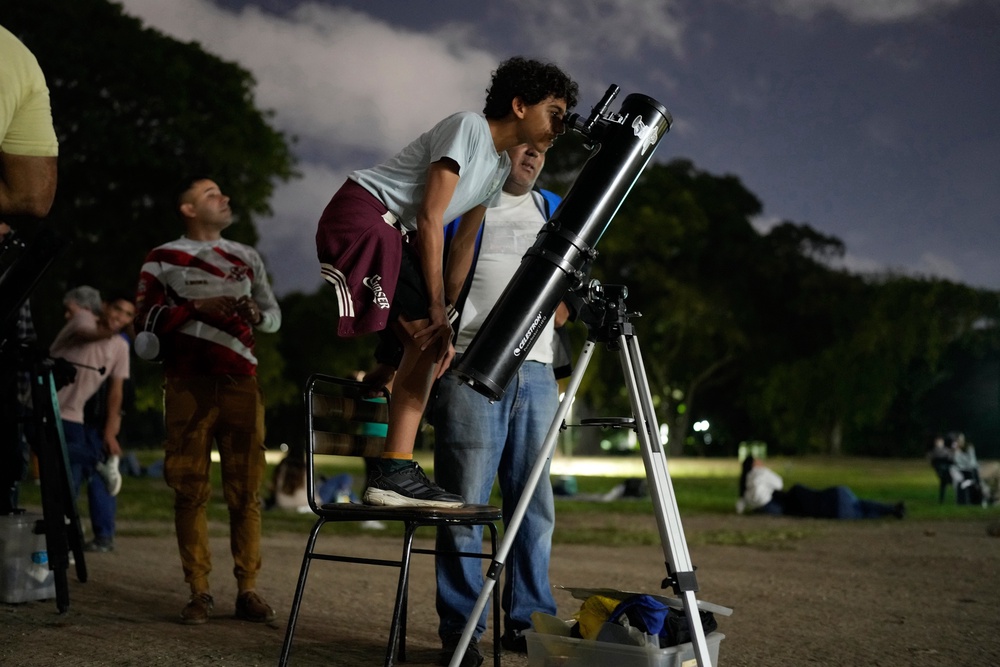
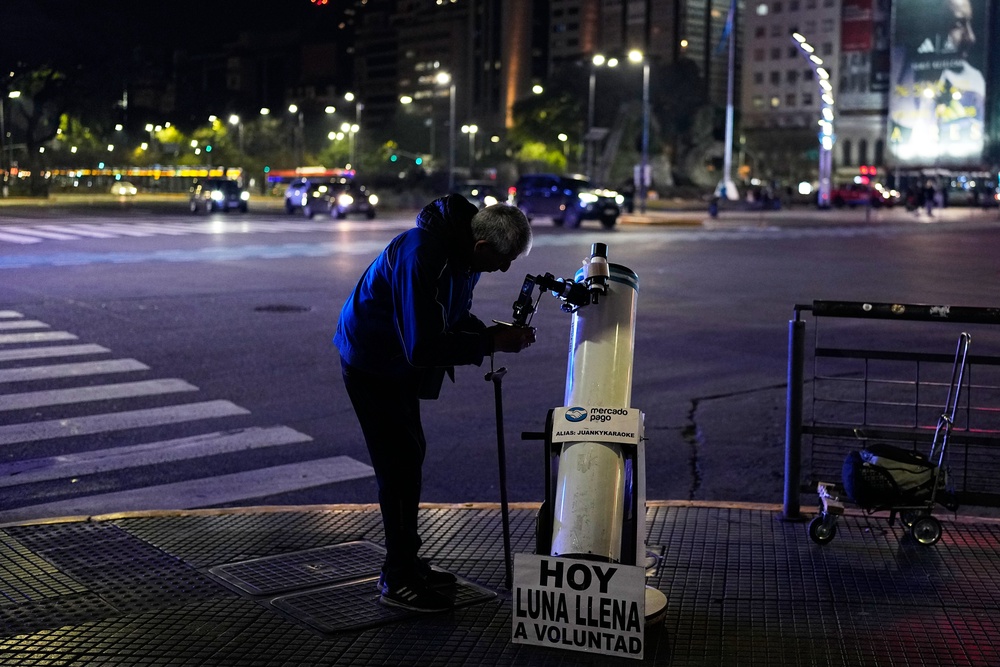
Unfolding more gradually, the lunar eclipse reached a far wider audience than Europe’s solar display. Billions across the Americas, Europe, Africa, and the Middle East could watch, provided skies remained clear.
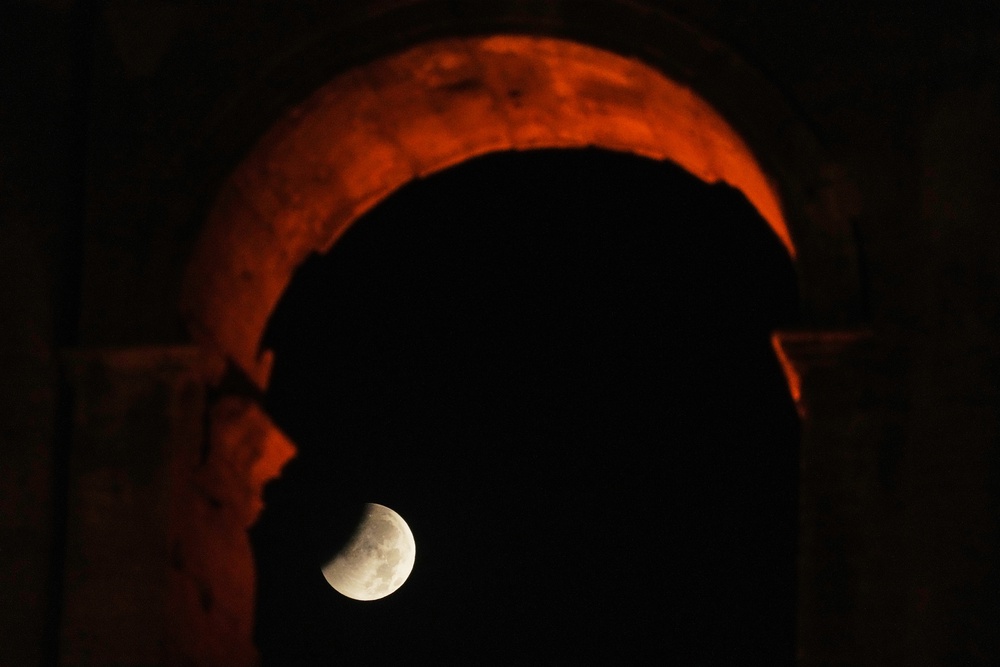
Earth aligned between the sun and moon during the event, casting a reddish-orange shadow across our nearest neighbour. As the alignment was partial rather than perfect, it did not produce a full blood moon. The partial phase lasted over three hours, with the entire eclipse spanning five and a half hours.
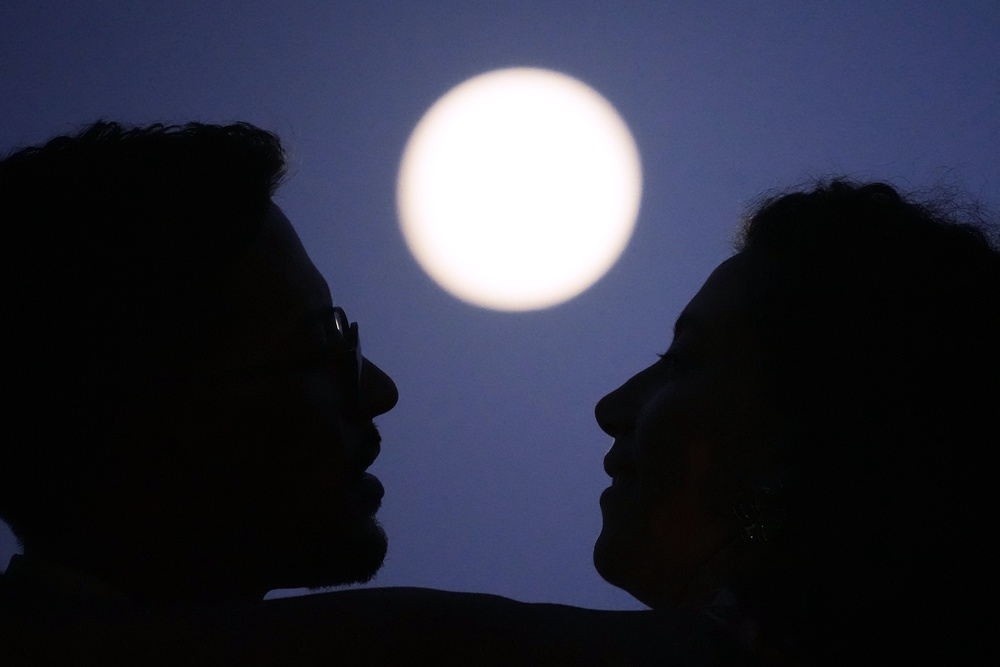
The moon set during the eclipse for viewers in Europe, Africa, and the Middle East, curtailing the view. Rising over Hawaii, it gave the eastern Pacific along with north-western regions of the US and Canada a later start.
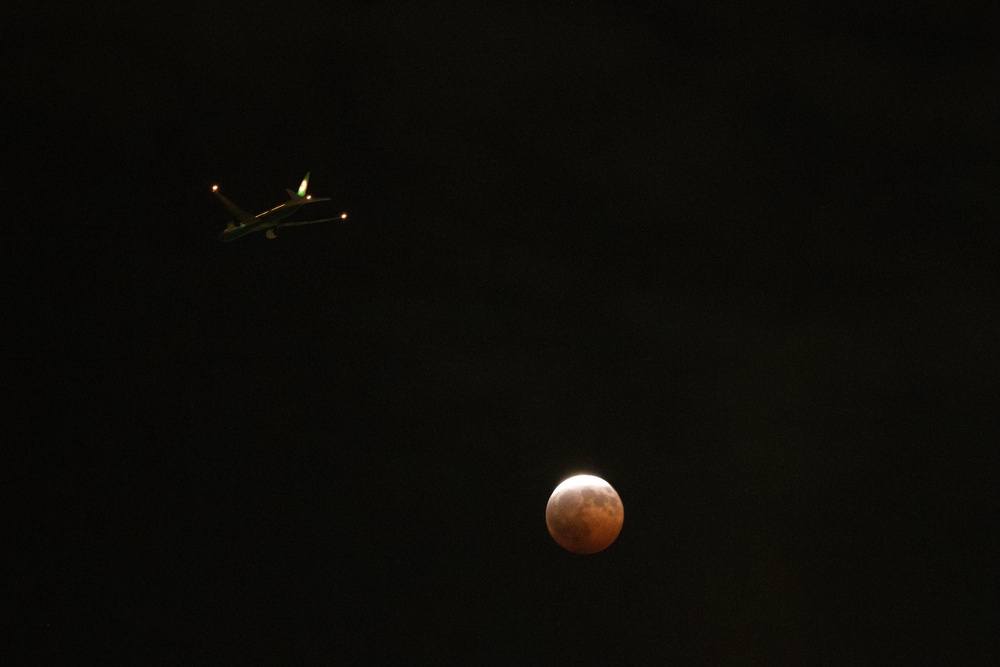
This was the second lunar eclipse of the year and fourth overall, following a total lunar eclipse seen over the Americas, Australia, and eastern Asia in March.
The next total lunar eclipse will not happen until New Year’s Eve 2028, placing Asia and Australia in prime position. Skywatchers across North and South America must wait until 2029 for their next full lunar blackout.
 Read More
 A Blood Moon lunar eclipse will light up UK skies tonight. Here’s when to see it
Partial lunar eclipse to be visible for nearly half the planet. Here’s what to know