_1652931074_9592.jpg)
German luxury carmaker BMW has announced plans to cut approximately 20 percent of its senior management positions by the middle of 2027.
BMW’s structural shakeup comes as they move to consolidate organizational divisions, flatten internal hierarchies, and expand artificial intelligence across its corporate operations to protect profitability amid cooling global demand. I guess their strategy wasn’t working just fine.
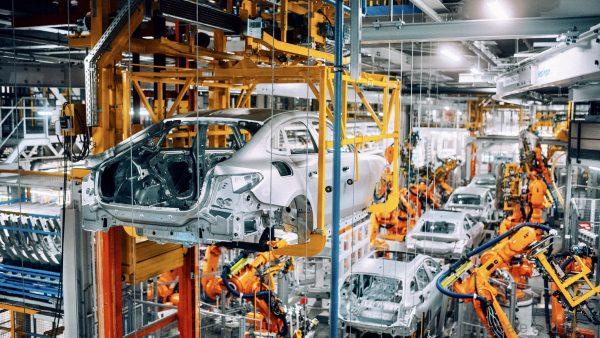
Most of the affected roles fall under senior vice-president and executive operational tiers, with the bulk of the reductions concentrated at the group’s headquarters in Munich, Germany. The downsizing will be executed primarily through voluntary buyout schemes and agreed severance packages rather than forced terminations.
Consolidating Hierarchies and Driving AI Integration
The management overhaul forms part of a wider push to eliminate corporate bureaucracy and accelerate product decision cycles during a volatile transition period for the automotive sector.
Speaking on the operational overhaul, BMW Chief Financial Officer Walter Mertl noted that the company is deploying specialized AI agents across business functions to absorb routine administrative workloads. By delegating data analysis, process tracking, and administrative coordination to intelligent software tools, the automaker intends to operate with fewer managerial layers between operational teams and executive boardrooms.
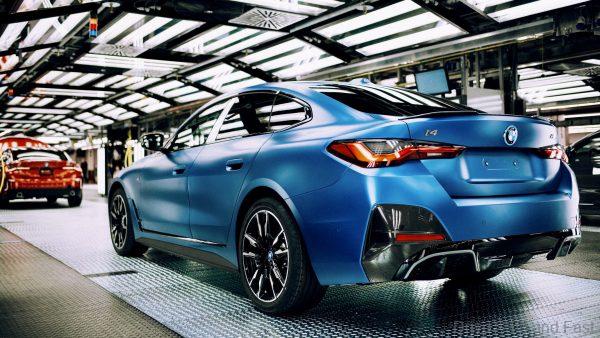
The corporate slimming mirrors a broader workforce recalibration across Germany’s automotive and logistics sectors, where legacy firms are facing heightened margin compression, sluggish electric vehicle adoption curves in Europe, and intense pricing pressure in key export regions.
Financial Targets and Product Portfolio Streamlining
Beyond executive restructuring, BMW is navigating an operating environment marked by tightening automotive operating returns, with management targeting an interim operating margin of 3% to 5% by 2028 before returning to historical highs.
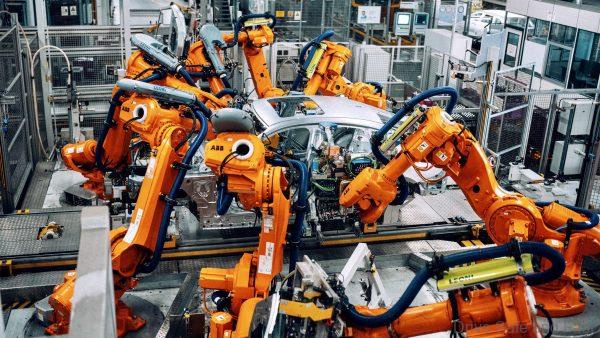
To reinforce cash flow discipline, the company is trimming slower-selling, low-margin variants from its showroom floor:
- Model offerings such as the 2-Series Active Tourer are set to be phased out.
- Diesel-powered configurations of the long-standing 3-Series sedan will be retired in select markets as powertrain development spending shifts entirely toward electrification and hybridized platforms.
- Manufacturing footprint investments will tilt further toward localized assembly in China and the introduction of a new compact, volume-oriented electric vehicle tailored for European urban buyers in 2028.
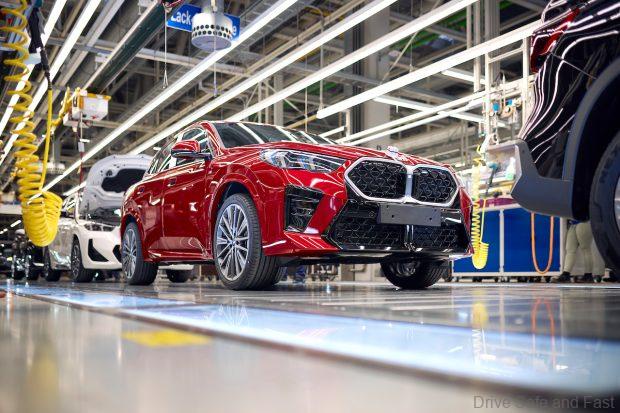
By paring back corporate management layers and shedding underperforming model variants, BMW is positioning its organizational balance sheet to remain competitive through the remainder of the decade.
The post BMW To Cut 20% Of Senior Management Roles By Mid-2027 first appeared on DSF.my.