Health Matters | A community pharmacist’s guide
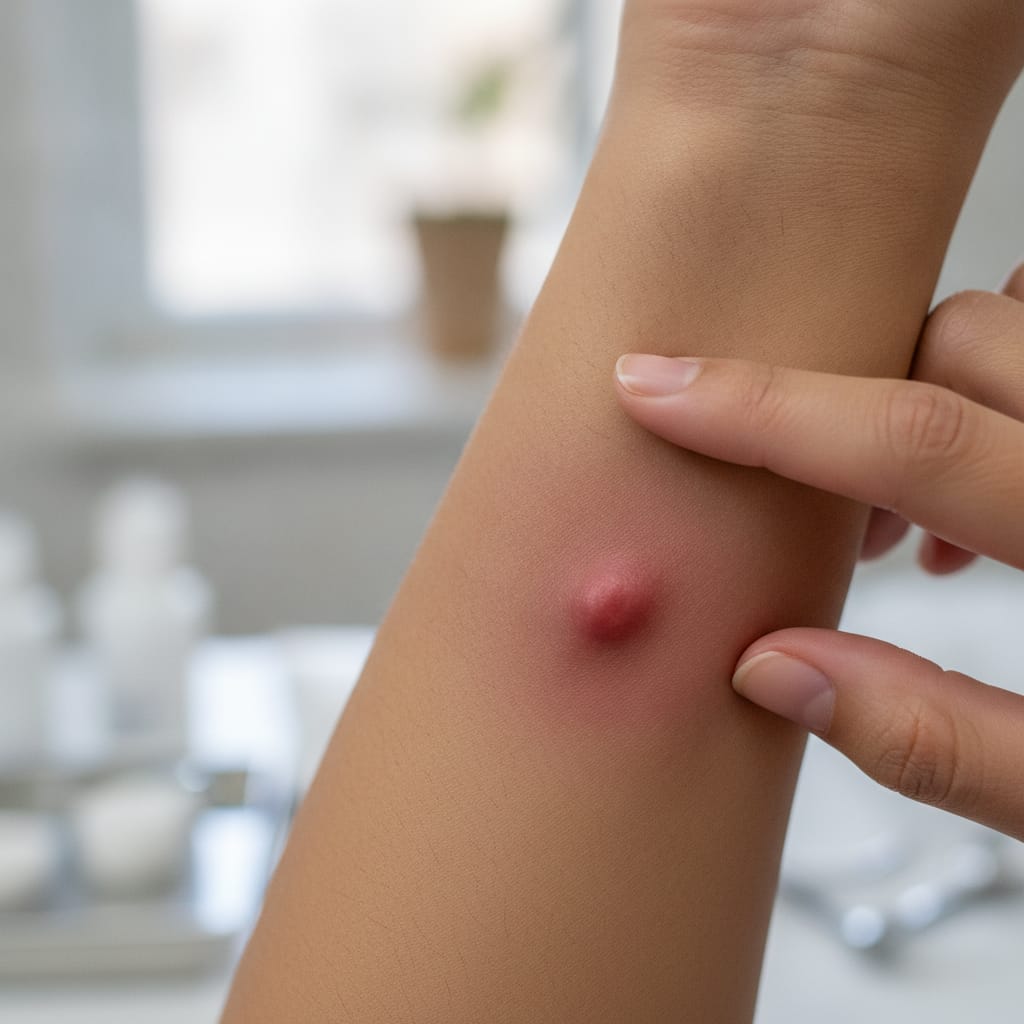
Have you ever noticed a painful, red lump on your skin that seems to grow bigger over a few days? You might assume it is an ordinary pimple, an insect bite or simply an irritation that will disappear on its own. But if the lump becomes increasingly tender, fills with pus and feels hot to the touch, it could be a boil.
Boils are common, and many settle without serious problems. However, some become larger, spread to surrounding skin or develop into an abscess that needs medical treatment. Knowing what to do — and, just as importantly, what not to do — can prevent complications.
What exactly is a boil?
A boil, medically known as a furuncle, is a painful infection that develops around a hair follicle. It is commonly caused by Staphylococcus aureus, a bacterium that can live harmlessly on the skin but may cause infection if it enters through a damaged hair follicle or a small break in the skin.
A boil usually begins as a small, red, tender lump. Over several days, it may enlarge, become more painful and develop a white or yellow centre containing pus.
Boils can appear almost anywhere on the body, but they are particularly common in areas where there is hair, sweating or friction, such as the neck, armpits, buttocks, thighs and groin.
The NHS explains the typical symptoms and treatment options here: NHS – Boils.
Is it a boil, a spot or an abscess?
Not every painful lump on the skin is a boil. An ordinary spot tends to be smaller and may be associated with acne. A boil usually develops deeper in the skin and can be much more painful.
A skin abscess is a collection of pus within the tissue. It can resemble a large boil, but may require a healthcare professional to drain it. Trying to squeeze or puncture either condition at home can push infection deeper into the surrounding tissue.
There is another condition worth recognising: hidradenitis suppurativa. This causes recurring painful lumps, often around the armpits, groin, buttocks or under the breasts. The lumps may heal slowly, leave scars or form tunnels beneath the skin. Repeated episodes in these areas deserve medical assessment rather than being treated as a series of unrelated boils. More information is available from NHS – Hidradenitis suppurativa.
What should you do if you develop a boil?
In the community pharmacy, one of the most important pieces of advice is simple: do not squeeze, pick or pierce it. It may be tempting to force the pus out, especially when the lump is painful, but doing so can worsen the inflammation and spread the infection.
For a small boil without warning signs, the following measures may help:
Apply a warm compress. Soak a clean cloth in warm — not scalding — water and hold it against the boil for around 10–15 minutes, several times a day. This may encourage the boil to drain naturally and help relieve discomfort.
Keep the area clean. Wash your hands before and after touching the affected area. If the boil bursts, gently clean the surrounding skin and cover it with a clean, sterile dressing.
Avoid sharing towels or razors. The bacteria responsible for boils can spread through direct contact with infected skin or contaminated items. Wash towels, clothing and bedding that come into contact with the affected area.
Manage pain sensibly. Paracetamol may help if it is suitable for you. Ibuprofen is not appropriate for everyone, particularly people with certain kidney, stomach or cardiovascular problems or those taking medicines that increase bleeding risk. Ask your pharmacist if you are unsure which painkiller is suitable.
The NHS provides further self-care advice at its boils guidance page.
Do you need antibiotics?
This is a common question, and the answer is not always yes.
Many small boils improve on their own as the body controls the infection and the boil drains. Antibiotics are not routinely needed for every boil. If an abscess has formed, a healthcare professional may need to drain the pus; antibiotics may also be required depending on the severity of the infection and the person’s circumstances.
Seek medical advice if the boil is getting bigger, is very painful, does not improve, keeps returning or is accompanied by spreading redness or other signs of infection.
Do not use leftover antibiotics or take antibiotics prescribed for someone else. The wrong medicine, dose or duration may not treat the infection and can contribute to antimicrobial resistance.
For Malaysian readers, assessment can be arranged through a Klinik Kesihatan or a private GP. The appropriate treatment depends on the clinical examination, the extent of infection and any underlying health conditions.
When should you seek medical attention?
Most small boils are not emergencies, but certain symptoms should never be ignored.
Arrange prompt medical assessment if the skin around the boil becomes increasingly hot, swollen or painful; redness spreads; you develop a fever or chills; or the boil is large or repeatedly returns.
A boil on the face, particularly around the nose or eye, deserves particular caution and prompt assessment. Seek urgent care if there is swelling around the eye, changes in vision or rapidly worsening symptoms.
People with diabetes, reduced immunity or conditions that affect wound healing should seek advice early, even if the boil initially looks small.
If you feel seriously unwell, the redness is spreading rapidly, or you develop severe pain or confusion, seek emergency medical care.
Why do some people keep getting boils?
Occasional boils can happen to anyone, but repeated episodes may point to an underlying issue. Friction, sweating, shaving and minor skin injuries can make infection more likely. Conditions such as diabetes may also increase the risk of skin infections or make healing more difficult.
If boils keep appearing, a doctor may consider whether blood glucose testing, a bacterial swab or other investigations are appropriate. In some cases, Staphylococcus aureus can persist on the skin or inside the nose, contributing to recurrent infections. A clinician may recommend a specific decolonisation plan when indicated; it is not something everyone with a boil needs.
Good everyday habits can help reduce the risk:
- Shower regularly, particularly after heavy sweating.
- Change out of damp, sweaty clothing.
- Avoid sharing towels, razors or personal grooming equipment.
- Cover cuts and grazes and keep them clean.
- Wash your hands regularly and avoid touching or squeezing infected lumps.
A pharmacist’s final word
A boil may start as a small lump, but its size alone does not tell the whole story. How quickly it develops, how painful it becomes, whether the redness spreads and whether you have other health conditions all matter.
A warm compress and careful hygiene are reasonable first steps for a small, uncomplicated boil. But persistent, recurrent or worsening boils need proper assessment, and some abscesses require drainage rather than creams or antibiotics alone.
If you are unsure whether a lump is a boil, an infected cyst or another skin condition, do not guess or attempt to drain it yourself. Ask your pharmacist or doctor for advice.
Until next time, take care of your health — and remember that even a small skin problem deserves attention when it refuses to settle.
Health Matters (zaynp100@yahoo.com) is a content creator under the Newswav Creator programme, where you get to express yourself, be a citizen journalist, and at the same time monetize your content & reach millions of users on Newswav. Log in to creator.newswav.com and become a Newswav Creator now!
The User Content (as defined on Newswav Terms of Use) above including the views expressed and media (pictures, videos, citations etc) were submitted & posted by the author. Newswav is solely an aggregation platform that hosts the User Content. If you have any questions about the content, copyright or other issues of the work, please contact creator@newswav.com.