
Every time I think of her case, I feel a shiver down my spine as I ask myself: What if?
Five years ago, Mdm O came to see me. She mentioned that she had been experiencing occasional dizzy spells for many years, and lately they seemed to be happening more often. She had previously consulted a neurologist and undergone a brain scan. She remembered being reassured that everything was normal. That reassurance had eased her concerns — and mine.
She had been diagnosed with benign positional vertigo, a common and usually harmless condition that many people experience from time to time. It typically settles with simple treatment.
But that day, dizziness was not her main concern.
She was approaching retirement and wanted her blood pressure reviewed. As a senior bank officer, work stress had often caused her pressure readings to spike. On examination, her blood pressure at 140/80, was reasonably controlled. The rest of the clinical exam was also, normal.
There was no reason to suspect that anything serious was quietly unfolding beneath the surface.
Our hospital had started compiling all medical records into digital format in late 2016. Prior to this records were handwritten and kept within folders named “Blue Folders”, so named because of the colour of the cover. There was no reason for me to look through these old notes that day – but for an inexplicable reason I did. Even more inexplicable was the reason why my hand came to rest on her MRI report done in 2014. What I read made my heart race.
6 years earlier, in 2014,Mdm. O had been diagnosed with a cerebral aneurysm. It was then small – 1.8X2mm. She had been advised yearly review – she had forgotten and did not come back to see her doctor.
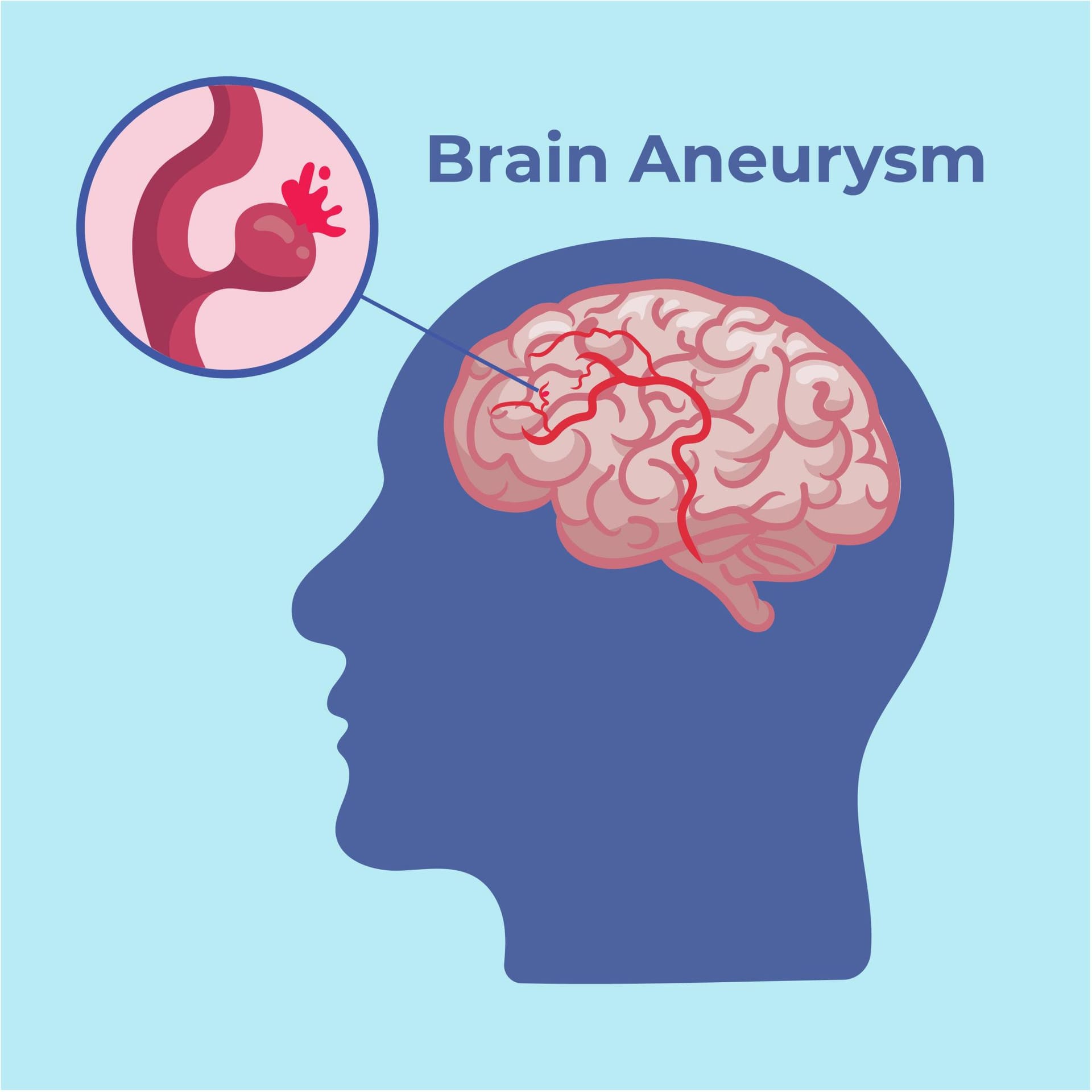
A cerebral aneurysm is a swelling in the weakened portion of a brain artery. It could grow in size over time and then rupture. It is estimated that ½ a million people suffer a ruptured cerebral aneurysm yearly, in the world. Of these 40 – 50% would die. Many who do not die are left with permanent brain damage.
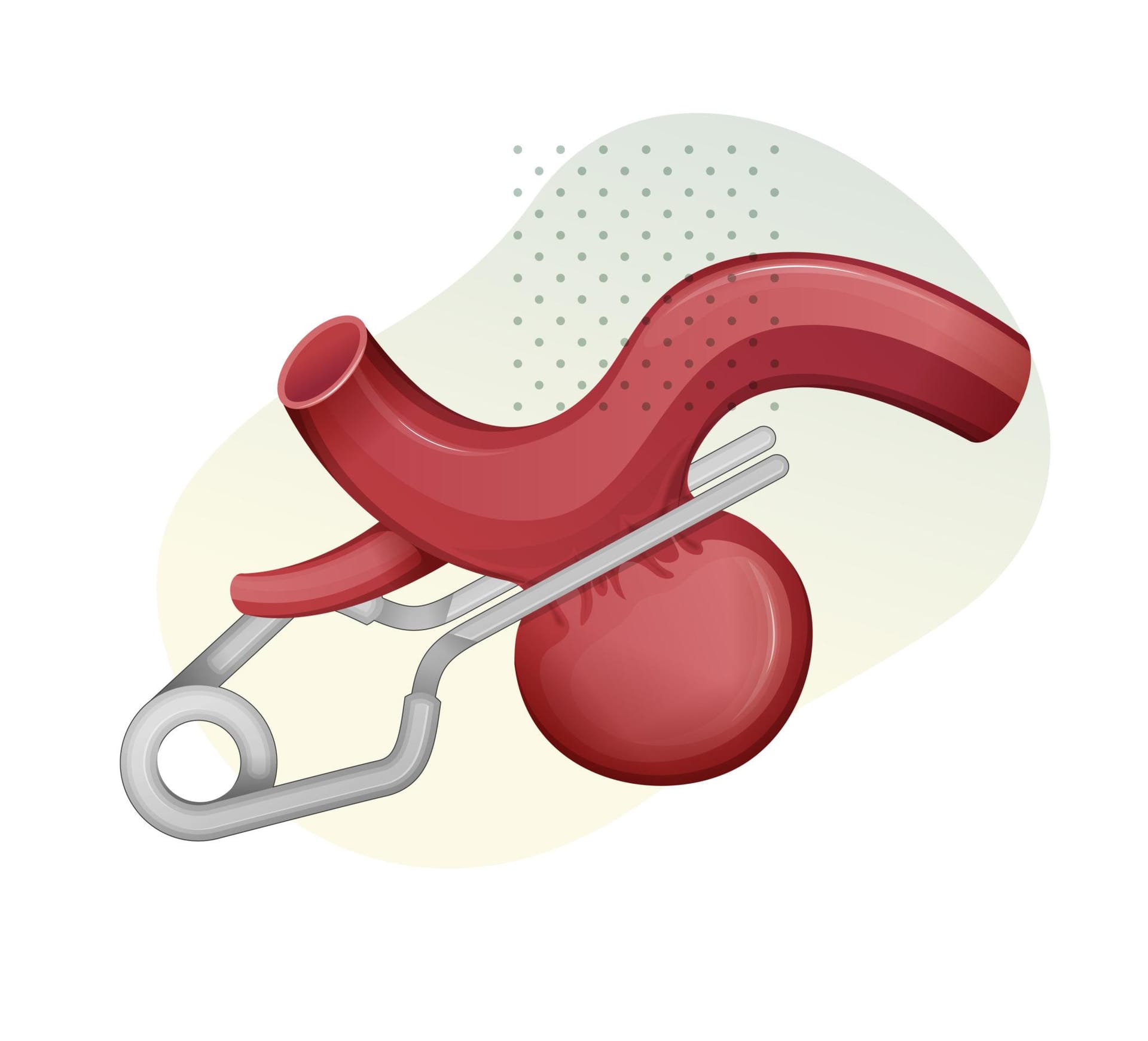
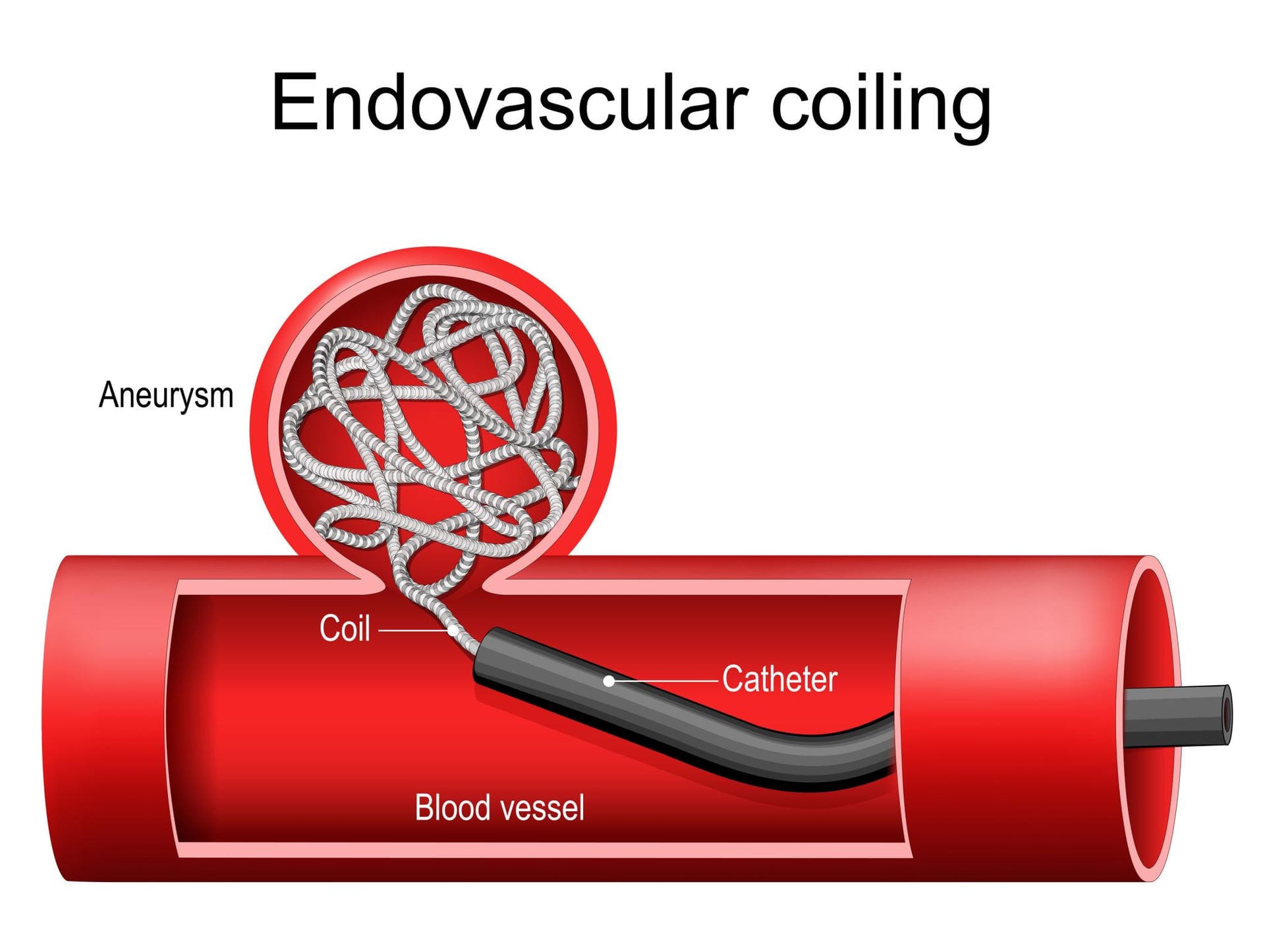
Though Mdm. O did not have any relevant symptoms, I arranged for an urgent MRI Brain scan. The results were sobering – the aneurysmn had grown to 4.3x3.5mm. Urgent neurosurgical consultation was arranged. Initially it was planned for Mdm. O to undergo endovascular coiling – a non surgical procedure where tiny metal coils are placed within the aneurysm, causing it to clot off, preventing rupture. However the shape of the aneurysm made this impossible. Thus surgical clipping, a delicate neurosurgical procedure, where a neurosurgeon places titanium clips at the base of the aneurysm, to occlude it, was planned. My senior neurosurgical colleague Dr Muruga Kumar did the procedure successfully. Kumar later shared with me that the surgery was difficult. Mdm. O is now well and enjoying her retirement.
These were the answers my Consultant Neurologist Colleague, Dr Sherrini Ahmad, gave, to questions that I posed her :
- How common are unruptured cerebral aneurysms?
Unruptured cerebral aneurysms are relatively common. It is estimated that about 2–3% of the general population has an unruptured brain aneurysm. Most remain asymptomatic and are often discovered incidentally during brain imaging performed for other reasons
So many will go through life uneventfully
- Who should consider screening?
Routine screening is not recommended for the general population. However, screening may be considered for individuals with:
• Two or more first-degree relatives with brain aneurysms or subarachnoid hemorrhage
• Certain genetic conditions such as polycystic kidney disease (a condition where multiple fluid filled cavities deform the kidney) or connective tissue disorders (inflammatory conditions like systemic lupus)
•A personal history of a previous aneurysm
- How do we distinguish a dangerous headache from a migraine?
A dangerous headache, particularly one caused by aneurysm rupture, is typically described as a sudden, explosive, severe “thunderclap” headache. Patients often describe it as “the worst headache of my life.” Some may vomit, experience neck stiffness, pain on bending the neck and marked irritation when looking at light.
In contrast, migraines usually have a gradual onset, may be associated with nausea, experience irritation when looking at light and visual disturbances
Any sudden, severe, or unusual headache warrants urgent medical evaluation
- Can aneurysms cause warning symptoms before rupture?
In some cases, a small leak (called a sentinel bleed) may cause a sudden severe headache days or weeks before a major rupture. Large unruptured aneurysms can also cause symptoms by pressing on nearby nerves, leading to visual disturbances, double vision, drooping eyelid, or facial pain. However, many aneurysms remain completely silent until rupture.
- What advances in imaging have improved early detection?
Non-invasive imaging such as CT angiography (CTA) and MR angiography (MRA) have significantly improved early detection of cerebral aneurysms. Other techniques like invasive catheter angiography are more accurate and would be employed by neurologists and neurosurgeons in selected cases.
I also conducted an interview with my senior consultant neurosurgeon, Dr Muruga Kumar. Below are my questions and his answers :
What factors determine clipping versus coiling?
Especially these days, there is a preference for coiling as it is non surgical and risks are lower. However the anatomy of the aneurysm is also a determinant. If the neck of the aneurysm is wide, as in the case of Mdm. O surgical correction would be needed.
What are the risks of each procedure?
Overall risk is about 5% related to stroke or death related to the procedure. As mentioned earlier coiling carries a smaller risk
Have outcomes improved over the past decade?
Yes it has. Techniques have improved. Earlier detection because of incidental findings during brain scans have also enabled aneurysms to be detected and treated before they become too big. Planned / Elective intervention is safer with better outcomes compared to intervention when the aneurysm has ruptured or has become too big.
Dr Kumar also advices that aneurysms larger than 3mm should undergo intervention
What one message would you want the public to remember?
I strongly believe and advise the general public that when one has a non resolving headache / or has experienced the single most severe painful episode of headache, to urgently seek medical treatment and get either a CT brain / or an MRI Brain scan done to exclude a ruptured aneurysm
The question that still lingers :
What made my hand reach for that blue folder that afternoon?
Why did my eyes pause on that six-year-old MRI report?
Pure luck or was there an invisible hand from above guiding my hand ?
Each of us will interpret this differently
But this much is certain:
Had that old report remained unread, the aneurysm might have continued to enlarge silently. One day, without warning, the outcome could have been very different.
The lessons are simple, and they apply to all of us. Control blood pressure carefully. Do not miss follow-up appointments, even when you feel well. Make use of reminders — a note in a diary, a phone alert, a family member who can nudge you when needed. And never ignore a sudden, severe, unusual headache.
Most cerebral aneurysms never rupture. Many people live their entire lives unaware they have one. But awareness, vigilance and timely review can make the difference between a crisis and a calm retirement.
For me personally, cases like Mdm.O, are one of the reasons that I continue to practise and enjoy Medicine almost 50 years after graduating from medical school. Few vocations offer the privilege of changing lives so meaningfully, or the incomparable satisfaction of seeing a patient restored to health.
Dr. Kannan Pasam (kannan.pasam@gmail.com) is a content creator under the Newswav Creator programme, where you get to express yourself, be a citizen journalist, and at the same time monetize your content & reach millions of users on Newswav. Log in to creator.newswav.com and become a Newswav Creator now!
The User Content (as defined on Newswav Terms of Use) above including the views expressed and media (pictures, videos, citations etc) were submitted & posted by the author. Newswav is solely an aggregation platform that hosts the User Content. If you have any questions about the content, copyright or other issues of the work, please contact creator@newswav.com.

