An experimental weight loss drug has enabled some obese individuals living with type 2 diabetes to shed up to a quarter of their body weight while maintaining control over blood sugar levels, a trial has revealed.
Eli Lilly’s retatrutide operates by imitating three separate hormones to manage appetite and blood sugar while accelerating metabolism. It differs from existing GLP-1 drugs that replicate only one or two hormones, though it has not yet received regulatory approval in the UK.
The TRIUMPH-2 clinical trial took place across 92 sites in eight countries, involving over 2,000 subjects. Every participant had a body mass index exceeding 27 alongside a diagnosis of type 2 diabetes. Within the study, 1,152 patients were prescribed either retatrutide, in doses ranging from 4mg to 12mg, or a placebo.
Following 80 weeks of treatment, those on 4mg of retatrutide dropped an average of 11.9% of their body weight, increasing to 16.8% with 9mg and 18.8% with 12mg. Participants in the placebo group lost an average of 5.1%.

At the maximum 12mg dose, almost half (47%) of participants lost at least 20% of their starting weight, while 31% lost a quarter or more. By comparison, the placebo group saw figures of 6% and 3% respectively.
Elsewhere, nearly three-quarters (72%) achieved an HbA1c reading of 6.5% or lower—the standard NHS diagnostic threshold for diabetes—compared to 29% receiving the placebo.
The primary side effects reported during the trial were diarrhoea and nausea. Seven deaths occurred—two in the 4mg group, three in the 9mg group, one in the 12mg group, and one in the placebo group. However, investigators determined these were unrelated to the trial intervention.
Researchers said the trial suggests "retatrutide may advance the treatment of obesity and type 2 diabetes, a population where weight reduction has been challenging to achieve".
They added: "Retatrutide demonstrated substantial reduction in body weight alongside improvements in bloods sugar control and cardiometabolic risk factors, with a safety profile generally similar to other molecules with GLP-1 receptor agonist activity.
"These findings support obesity treatment as a strategy for people with obesity and type 2 diabetes. Further studies are required to determine whether these benefits translate to improvements in other obesity-related complications."
The findings are to be presented at the European Association for the Study of Diabetes (EASD) annual meeting in Milan and published in The Lancet.
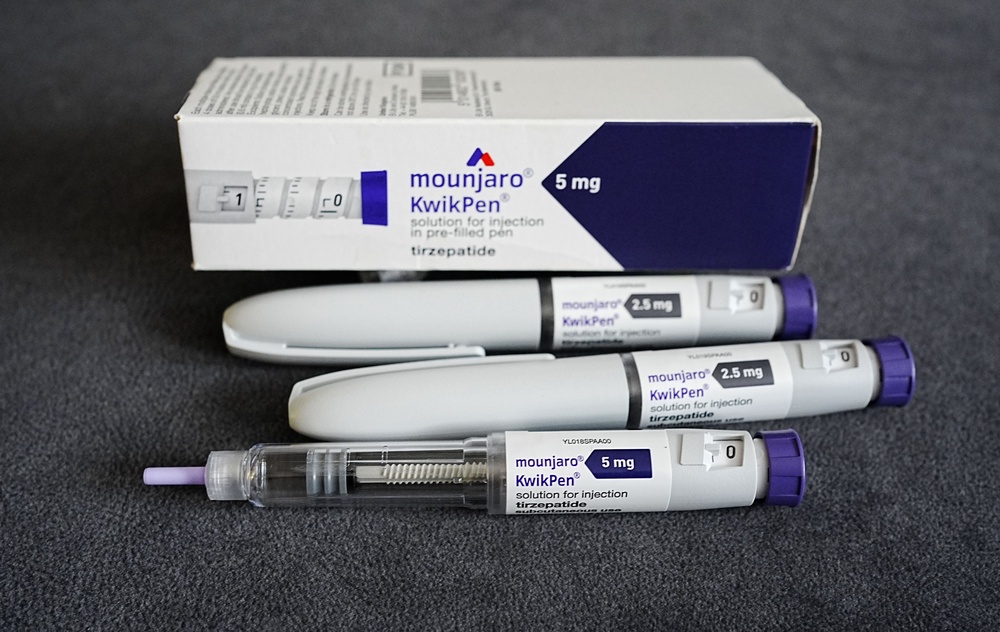
Meanwhile, a separate trial presented at EASD showed that petrelintide, an investigational drug, helped participants lose over 10% of their body weight with fewer side effects. The once-weekly injection replicates the natural pancreatic hormone amylin to help patients feel fuller faster, which researchers suggest could benefit individuals unable to tolerate GLP-1 medications.
The trial took place across 32 sites in the US, Poland, and Romania, involving 485 participants given petrelintide doses from 1.0mg to 9.0mg, or a placebo. Average body fat weight loss was 8.7% for the lowest dosage and 10.2% for the highest.
Nausea was the most common side effect, with researchers noting the "vast majority" of patients were capable of stepping up to the highest doses.
Researchers said "amylin-based therapies for obesity might substantially improve tolerability and overall patient experience, and potentially drive greater treatment adherence".
Read MoreNew AI test can diagnose diabetes in seconds by spotting these two vocal symptoms
Weight loss drug side effects fuel sales boom for Advil-maker Haleon
WHO identifies the likely cause of one in eight cancers worldwide
How you eat fruit may affect your heart disease risk
Scottish space company hails successful ‘hot fire’ test of rocket engine
Ancient Egyptian tomb with 1,700-year-old Greek poem unearthed: ‘Listen, father!’