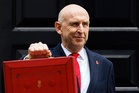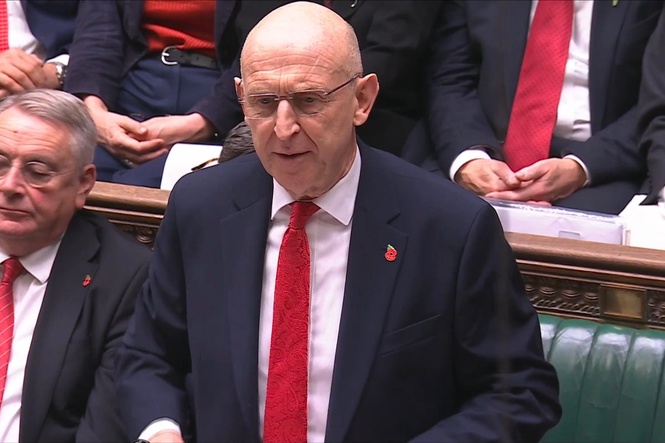
John Healey has announced a £100 payment for millions of households to help with energy bills this winter in his autumn Budget.
The chancellor said around 20 million households in council tax bands A to D will get the payments into their bank accounts, with the support costing £2.6 billion.
The payment comes with a cut to VAT on electricity being extended to July, taking £50 off the annual price cap.
Delivering the measures in his speech to the Commons, Mr Healey said: “Let me say this to families at home. I know that with the conflict in the Middle East, rising energy bills are a real worry. I know that people look to Government at times like this, not to solve all their problems, but to give them a bit of breathing space.”
However Mr Healey did announce a surprise two percentage point tax on income from property and savings.
Other measures announced include the extension of the fuel duty cut until July 2027, a 3.9 per cent rise in minimum wage and a temporary rise in bank tax.
Read MoreKey takeaways from Budget 2026 from taxes to bills help
Which council tax bands are eligible for £100 Budget energy payment?'
What the Budget will mean for pensions and income tax
Key Points
- Millions of households to get £100 to help pay energy bills
- Healey says he won’t raise tax on working people
- 'We will bring down the welfare bill in a Labour way', says Healey
- Healey kicks the can down the road on defence spending
- In blow for Healey, OBR downgrades economic forecast
- All the key measures announced by Healey in Budget so far
'I can barely afford to buy any food - what difference will £1.75 a month make on groceries'
16:00 , Dan HaygarthAlex Ross reports:
John Healey was keen today to highlight his support for people on low incomes with the rise in minimum wage and a suspension in tariffs for supermarket products, which the government say will save up to £21 a year on household food shops, the equivalent of £1.75 a month.
He also announced an additional £1.5bn for social and affordable housing.
But for many, including Kim from Gateshead in Tyne and Wear, it's not enough.
The 37-year-old mother worked all her life until two years ago when she had to give up due to chronic back pain, depression and ADHD.
She now receives around £800 on Universal Credit, but can't afford to rent privately - and so stays at a friends while on the social housing waiting list.
"Everything is tough at the moment," she said. "The food shop, just even buying cleaning things. The changes on prices don't make any difference.
"I'm also keen to find a new place to live on my own, and I'm grateful to friends for letting me stay with them. But for now, I see no light at the end of the tunnel."
Kim said she wants more social housing built in Gateshead, in particular for people her age.
"The politicians are out of touch," she said. "They need to see what the situation is like on the ground."
Brexit deal had ‘damaging’ side effects to GDP, OBR economist says
15:49 , Athena StavrouThe outcome of the UK’s Brexit negotiations put up trade barriers that “almost certainly” have had “damaging” side effects to GDP, economists at the Office for Budget Responsibility (OBR) have said.
Member of the Budget Responsibility Committee (BRC) Professor David Miles was asked whether the OBR stands by its assessment that leaving the EU has resulted in a 4 per cent reduction in UK GDP.
He said that while leaving the EU did not make the impact on GDP inevitable, the outcome of the negotiations had “side effects”.
“It’s not that leaving the EU made it inevitable, it is the way the UK left the EU with the negotiations and the outcome of those meant there were trade barriers which almost certainly have side effects that are damaging in terms of GDP,” he said.
“I don’t see any obvious reasons to revisit that particular calculation but I would draw a distinction between saying its simply as a result of leaving the EU - which could’ve played out in different ways - and the particular trade barriers that clearly have existed since the UK reached the negotiation of what it meant to leave the EU.”
Expect higher rents, IFS boss warns
15:45 , Dan HaygarthWhitehall editor Kate Devlin reports:
A leading economist has warned rents will rise after the Budget.
Helen Miller, from the Institute for Fiscal Studies (IFS) highlighted plans to increase taxes for landlords.
She added: “They already face relatively high taxes. Higher rates will discourage investment. Expect higher rents.”
The OBR, the UK’s official Budget watchdog, has also warned the move risk a “steady rise” in rent prices.
The chancellor has announced he will hike the rates of tax on income from property and savings by a further two percentage points from April next year.
Zelensky thanks Burnham for financial support
15:35 , Dan HaygarthI had a great conversation with the UK Prime Minister @AndyBurnham, and we are grateful to Britain for its unwavering, strong, and truly leading support. Today, Britain made a strong decision to provide an additional £10 billion in financial support – £7 billion in economic…
— Volodymyr Zelenskyy / Володимир Зеленський (@ZelenskyyUa) October 28, 2026
'We want our city centre cafe to remain quieter so we don't need to employ a new worker'
15:30 , Dan HaygarthAlex Ross reports:
The mood among hospitality businesses may have improved with John Healey's announcing a raise in the threshold for small business rates relief.
But it doesn't still hide the "bleak picture" for many firms on the High Street, says Hamish Watkins, who runs Little Pikkle, cafe in Cardiff city centre alongside a catering business.
He said that changes in the last Budget, which saw employer's national insurance increase, meant it required a £500 increase in sales a day just to employ an extra member of staff.
"It makes more commercial sense for us to be quieter," Mr Watkins told The Independent. "How can that be good for businesses?"
While welcoming the change to small business rates relief, he wants, like many in the industry, reductions in VAT, which is currently 20 per cent.
"Our cafe in the city centre of Cardiff doesn't make money on its own," he said. "The bleak picture on the High Street needs to improve, and firms need support."
Budget 2026 brings £100 energy bill relief for millions this winter – see who’s eligible
15:22 , Dan HaygarthMillions of households will receive £100 towards their energy bills under new measures announced in the 2026 Budget, as the government attempts to ease the cost of living this winter.
Chancellor John Healey has also extended a temporary VAT cut on electricity bills and confirmed plans to scrap gas standing charges, potentially saving some consumers around £45 a year.
But not everyone will benefit equally. Here's what the announcements mean for families, couples and people living alone – and a breakdown of who qualifies for financial support.
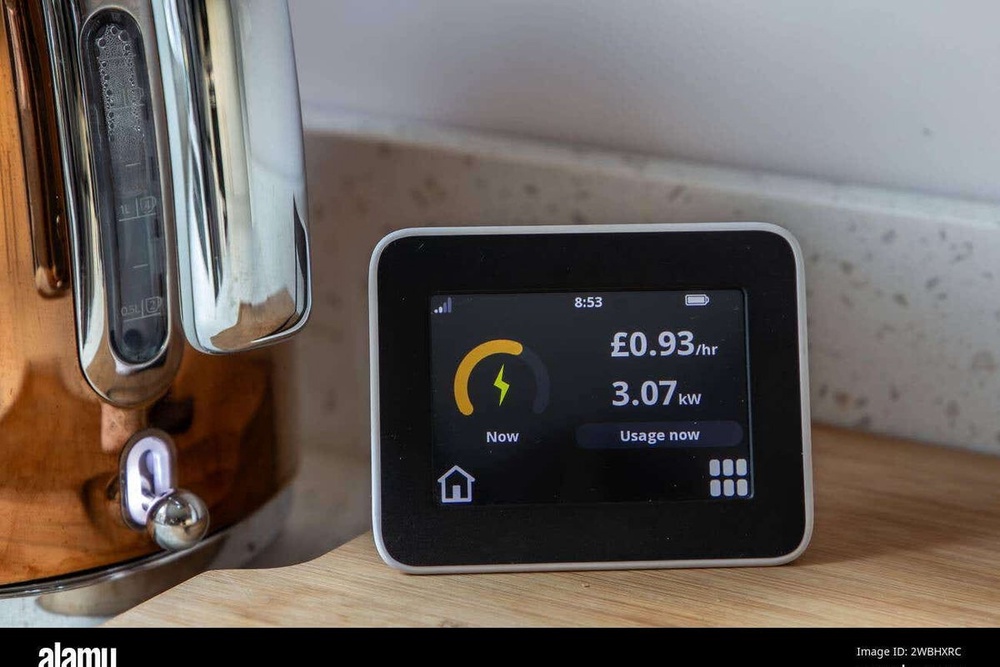
What the 2026 Budget means for you and your energy bills
‘Pretty grim picture’ for household disposable income
15:14 , Joe MiddletonPolitical reporter Athena Stavrou:
Economists at the Office for Budget Responsibility (OBR) have said the growth in real household disposable income (RHDI) per person is a “pretty grim picture”.
Chair of the OBR Jonathan Haskel said RHDI “took quite a beating” over the pandemic before recovering.
The OBR’s last forecast in March forecast further recovery, but has now been revised to predict a dip.
The outcome predicts RHDI per person will be just 1 per cent above what it was at the beginning of the pandemic.
Member of the Budget Responsibility Committee (BRC) Professor David Miles told a press conference the it marked a “pretty grim picture”.“If you go back to just before Covid and take that as your base, where we are right now which is what some seven years later, is virtually no growth in per person real household disposable income,” he said.
“That’s pretty unusual in the history of the UK.”
He added: “It’s been a dismal period in British economic history.”
Full fact analysis: More funding announced, but how does the government measure rough sleeping?
14:57 , Joe MiddletonJohn Healey said the Budget includes “a further £430 million” to offer “everyone sleeping rough a route off the streets” in coming winters.
In July, in his first speech as Prime Minister, Andy Burnham pledged to “end rough sleeping in our country”.
Full Fact’s tracking the delivery of that promise via its Government Tracker. For now we’re rating it as ‘wait and see’, as it’s too early to know how levels of rough sleeping have changed since the commitment was made.
Rough sleeping in England is measured by the government in two ways—an annual snapshot survey, which takes place on a single night between 1 October and 30 November, and in monthly figures provided by local authorities.
The latest monthly figures estimate 8,748 people were sleeping rough in England in June 2026, while last year’s autumn snapshot survey estimated 4,793 people were sleeping rough. (Rough sleeping figures are typically impacted by the seasons so fluctuate throughout the year.)

OBR predicts lower growth and higher inflation
14:56 , Joe MiddletonPolitical reporter Athena Stavrou:
The UK is facing lower growth and higher inflation that initially predicted earlier this year, the Office for Budget Responsibility (OBR) has said.
Chair of the OBR Jonathan Haskel said a range of events since March has led to lower growth and higher inflation next year.
He told a post-Budget press conference that the OBR thought GDP growth would be at around 1.5 per cent in its last forecast in March, but are not forecasting for 1 per cent.
“On the inflation side next year we thought that CPI inflation would be around 2 per cent it’s going up to 3.5 per cent,” he said.“In the subsequent years, inflation returns to what we thought it was going to be in March and likewise growth.”
Analysis: What happened to tearing up 40 years of Thatcherism?
14:47 , Joe MiddletonPolitical editor David Maddox:
When Andy Burnham became prime minister before the summer he made a point of how Britain took a wrong turn in the 1980s and how he would tear up the legacy of Margaret Thatcher and neo-liberalism.
The first opportunity to really begin to do that was in a Budget but the first Budget of his government is more characterised as tinkering and kicking big problems (like defence and welfare) down the road.
There is no revolutionary big change of direction in this Budget and not even a hint of one in the future.It is true that there is a lot more devolution but that will not see a rewiring of the British state.
Full Fact analyis: When did the government take VAT off electricity?
14:32 , Joe MiddletonJohn Healey said the government “took VAT off electricity” bills “in the first week of this new government”. He also announced that the cut will be extended through the winter and spring to July.
It’s true that Andy Burnham announced the temporary zero rate for qualifying supplies of electricity in Great Britain in his first week as PM, but this came into force at the start of this month.
'I want to reopen more pubs - but Healey's gaslighting puts a stop to growth'
14:21 , Alex RossAmong those reacting to John Healey's Budget this afternoon is Michelin-starred chef Tommy Banks, who runs a hospitality business with two pubs and two restaurants in Yorkshire.
While in support of the 3.9 per cent minimum wage announced, he says firms like his, with 175 staff, will be forced into cost-cutting without a sufficient support package for the trade.
Meanwhile, he claims the announced increase in the threshold for small business rates relief for retail hospitality and leisure businesses will make little difference.Today, he said he'd heard from three friends with pubs who said they'd close down following Mr Healey's Budget.
"It [the Budget] feels like gaslighting," he told The Independent.
"They give themselves a pat on the back but it's all hot air coming out of them. They are out of touch with no understanding of what it's like running a hospitality business."
Mr Banks said former chancellor Rachel Reeves' increase in employer's national insurance had already cost his business £250,000.
He said: "A rise in minimum wage, which I support, must come with support to the industry to pay for it."
He said reducing VAT from 20 per cent to a rate in line with Europe would be a start to helping businesses.
He said: "I want to open more sites but I am not in a position to do so anymore. Even if the pubs are busy, it doesn't mean they are making profit anymore. The model is broken."

Budget business reaction
14:16 , Joe MiddletonChantal Van Stipriaan, Blick Rothenberg's corporate tax partner, exclusive for The Independent:
"Ahead of the Budget, banks were preparing for a potential increase in the corporation tax surcharge from 3% to 8%, taking their combined headline rate to 33%. The announced smaller increase of three percentage points instead takes the surcharge to 6%, giving a combined rate of 31%. While still an additional cost, this would be less severe than anticipated and most likely helps explain the positive stock market reaction - Barclays, NatWest and Lloyds shares are all up more than 2% since the announcement.
"Elsewhere, the rates relief for the Leisure & Hospitality sector is welcome, but the call from the commercial property sector was for total reform of Business Rates. The current system is driving away investment occupiers and most likely jobs.
"But early in the Budget, the reference to the Iran War and £14billion more on debt interest demonstrates that wider global events are influencing the UK economy more than this budget. The extra £14bn cost of Government borrowing in this financial year is broadly equivalent to a 2p rise in the basic rate of income tax."
Full fact analysis: How much will adjusting the triple lock save?
14:13 , Joe MiddletonThe chancellor said that adjusting the triple lock will “save £15 billion” a year.
This figure refers to how much less the government thinks it will spend in 2039/40 on the state pension. That’s compared to what it would have spent without making any changes to the policy, not to the amount it spends currently.
In addition, as experts have pointed out, the exact amount this policy will “save” depends on what happens in the economy in the coming years.
The Resolution Foundation has described the £15 billion figure as a “reasonable central case”, but depending on what happens in the next ten years or so, the actual value of the policy could be more, or it could be less.
Watch: Healey attacks Conservative Party record on defence spending: 'No kit and no bullets'
14:04 , Joe MiddletonReaction to Healey's £100 energy payment
14:03 , Joe MiddletonAdam Rolfe, policy and public affairs officer at Money Wellness, commissioned by Money and Pensions Service:“A £100 payment straight into people’s bank accounts will help, and it’s quick, which matters when bills are going up in January. But using council tax bands to decide who gets it is a blunt way of working out who needs it most. There are families on low incomes living in band E homes who will get nothing, while some well-off households in smaller properties will get the money whether they need it or not.
“People also need to be careful about how this money reaches them. If your bank account is overdrawn, the payment could disappear into your overdraft before you can use it for your energy bill. And the last time payments like this went out, scammers sent fake texts and emails asking for bank details. Your council will never text you asking for your card or PIN, so if you’re unsure, contact the council directly."
Full Fact analysis: Has Labour kept its pledge ‘not to raise tax on working people’?
13:53 , Joe MiddletonJohn Healey has said his “choices in this Budget mean I’ve kept the Labour manifesto promise not to raise tax on working people”.
While we’re continuing to go through the measures he’s announced, ahead of today Full Fact’s Government Tracker was already rating this manifesto commitment as ‘not kept’ due to decisions made in the 2025 Budget.
Last year, Mr Healey’s predecessor Rachel Reeves extended the freeze on income tax and National Insurance thresholds, until 2031.
Following last year’s Budget, Ms Reeves said “I do recognise that that will mean that working people pay a bit more”, though she also said she did not believe the manifesto commitment had been breached.
For more details see Full Fact’s Government Tracker, which we’ll be updating again after the Budget.
PM promised to end neoliberalism 'instead, we got 4p off gherkins' - Badenoch
13:51 , Joe MiddletonAndy Burnham came to power promising to end 40 years of neoliberalism and “instead, we got 4p off gherkins”, Kemi Badenoch has said.
The Tory leader said: “Most people in the country listening to his Budget will be thinking to themselves: Is that it? Really, is that it? The Prime Minister came in promising to reverse 40 years of neoliberalism. Instead, we got 4p off gherkins.
“Unfortunately, just like every other Labour budget, the headline story is the same: more borrowing, more tax rises, and surprise, surprise, more money on benefits. This Budget does not come close to meeting the moment.”
Badenoch: Tax burden will be highest in UK's history
13:47 , Joe MiddletonKemi Badenoch told MPs: “Next year, under Labour, the tax burden will be the highest in our country’s history, and our benefits bill is going up by tens of billions of pounds because this Government has put welfare first.
“We are overspent, overborrowed, overtaxed, and drowning in an out-of-control welfare system, and this is his answer.
“It is simply not enough, not good enough, not strong enough, not bold enough.
“Last week, the Government published its resilience plan. I’m afraid three days of baked beans and a wind-up radio are not going to save us. Labour’s Britain has no resilience.”
Badenoch: Not good enough, not strong enough, not bold enough
13:42 , Joe MiddletonChancellor John Healey’s Budget is “not good enough, not strong enough, not bold enough”, Kemi Badenoch has thundered in the Commons.
She told gathered MPs the UK remains “overspent, overborrowed, overtaxed and drowning in an out-of-control welfare system” under Labour.
Ms Badenoch did welcome the further £10bn support for Ukraine. But criticised Mr Healey for delaying his plans to increase defence spending until the spending review next year.
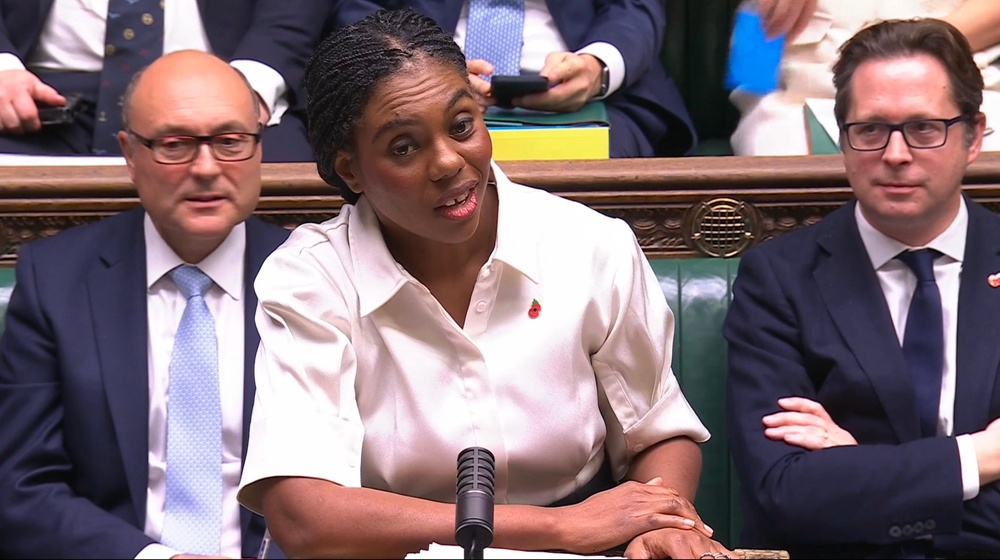
Kemi Badenoch begins her response to the Budget
13:38 , Joe MiddletonThe Tory leader has started to respond to John Healey’s first Budget.
Healey announces changes to make it easier for people to buy first home
13:34 , Joe MiddletonPolitical correspondent Millie Cooke reports:
The government has replaced the Lifetime ISA with a new First Time Buyer ISA and announced a new 'Your First Home' scheme, as part of an attempt to make it easier for people to own their first home.
John Healey told the Commons: "For every young person who’s working hard, saving what they can and dreaming of their own first home, I am taking action.
"I’m announcing that a new First Time Buyer ISA will replace the Lifetime ISA… …and from today, I am dealing with the LISA penalty. So if the home you want costs more than the limit, you will get back at least what you put in.
"And I’m going further. From next Spring, a new scheme for first time buyers who don’t have the bank of mum and dad behind them. Your First Home – an equity loan scheme, which I’m funding today with £4.7bn of government-backed lending."
He added: "Hope starts with a home. A route off the streets. A secure home to raise your kids. The keys to your own front door. Delivered to the British People by this Labour Government."
Healey describes Triple Lock changes as a ‘new settlement’ for older people
13:29 , Joe MiddletonWhitehall editor Kate Devlin reports:
Healey also talked about previously announced plans to adjust the state pension Triple Lock by 2030.
Currently it rises every year by the highest of either average earnings growth, consumer price index (CPI) inflation and 2.5 per cent.
This has led to accusations of a ‘ratchet’ effect which pushes up the value of the state pension compared with either growth in prices or growth in average earnings.
Mr Healey said the changes would still see the pension keep pace with earnings and inflation and save £15bn per year by the end of the 2030s and £50bn by 2050.
He said this would be a “new settlement for older generations: a rising State Pension and a National Care Service that is there when older people need it, taking the burden off families and taking the burden off our NHS.”
Healey kicks the can down the road on defence spending
13:27 , Joe MiddletonPolitical correspondent Millie Cooke reports:
John Healey has attacked the Conservative Party's record on defence spending, accusing them of having "hollowed out and underfunded our military".
But despite his criticisms, the chancellor kicked the can down the road on plans to increase defence spending to 3 per cent of GDP, saying that will be set out at next year's spending review.
Speaking about Britain's military, the former defence secretary said: "The week in Kyiv started with Russia launching another brutal ballistic missile attack on the city. And this morning, the Prime Minister and I called President Zelenskyy to tell him about our commitments in the Budget today. He told us – you’ve made my day.
"£10bn of additional economic and military support – based on loans, export finance guarantees, and half a billion in urgent military funding for this winter. The whole house, the whole country, is united for Ukraine. Today we send a clear message to Moscow: Britain will stand with Ukraine for as long as it takes."
He added: "In this new era of threat, the demands on UK defence are rising. Keeping the British people safe by equipping our armed forces is the first duty of any government. I say this as chancellor, as a former defence secretary, and as a dad whose son is an Army reservist, who four years ago came back from training to say they had no kit or bullets to fire."For fourteen years, Conservative governments hollowed out and underfunded our military. I am proud to be part of a Labour government that has made the biggest increase in Defence Spending since the end of the Cold War.
"This year, our Defence budget is £14bn higher than it was in the Conservative’s last year of government. At the Spending Review next year, I confirm that I will set out the details of how we will meet our NATO commitment to spend 3.5 per centof GDP on defence by 2035, with a target date for 3 per cent in 2030."
Healey pledges £10bn further support for Ukraine
13:24 , Joe MiddletonBritain will commit £10 billion of additional economic and military support to Ukraine, and half a billion in urgent military funding this winter, John Healey said.
Healey: 'We will bring down the welfare bill in a Labour way'
13:22 , Joe MiddletonPolitical correspondent Millie Cooke reports:
John Healey has vowed to "bring down the welfare bill" in a "Labour way", accusing the last Conservative government of "writing off a million young people".
However, proposals to cut the welfare bill, he said, will come later this year.
The chancellor told the Commons: "When it comes to welfare, the last Conservative government left a broken system, which we are changing."Bringing back the face-to-face assessments. Rebalancing Universal Credit so it doesn’t force people to label themselves as too sick to work. Reforming Motability, and clamping down on those living abroad from accessing a UK State Pension on the cheap."
He added: "But there is more to do. I refuse to write off a million young people, like the last Conservative government. I refuse to see disabled people suffer the indignities of a system that has been found ‘not fit for purpose’, And I refuse to allow the burden of paying for this failing system to fall on taxpayers for decades to come.
"As the Prime Minister and I have both said, we will bring down the welfare bill, and we will do it in a Labour way."
Madam Deputy Speaker, Alan Milburn and the Timms panel will publish their final reports next month. This government will then set out our response before the end of the year, with a White Paper and legislation to follow next year."
Healey has opened the door for tax competition in the UK
13:18 , Joe MiddletonPolitical editor David Maddox reports:
John Healey has bitten the bullet on devolution and started the process of devolving taxes to regions and localities.
It is very much in the philosophy of prime minister Andy Burnham who has made devolution his defining issue. But by handing income tax receipts to mayors and sending business rates to localities he is opening the door to tax competition.
Currently plans are unlikely to see mayors and councils cut rates but once the principle is established pressure will mount for them to be allowed to do that.
Once the door is opened then tax competition and a race to the bottom becomes a serious possibility as regions compete with one another to bring in wealth and investment.
Watch: Healey hits out at Liz Truss ‘blowing a black hole’ in the British economy
13:14 , Joe MiddletonAll the key measures announced by Healey so far
13:12 , Alex RossJohn Healey opened his Budget statement by saying he wanted to give Britain some breathing space on the cost of living and the cost of business.
Here are the key measures announced so far:
- Around 20 million households will get £100 from the Government this winter to help with energy bills
- The cut to VAT on electricity will be extended to July, taking £50 off the annual price cap
- The 5p fuel duty cut has been extended until July 2027
- Gambling machines duty will rise from 20 per cent to 25 per cent
- Banks to face a temporary rise in surcharge, currently levied at 3 per cent on top of the 25 per cent corporation tax rate, by an extra 3 per cent
- National minimum wage and national living wage to increase by 3.9 per cent
- The tax threshold for small business rates relief for retail hospitality and leisure businesses to increase from £12,000 to £18,000.
- A First Time Buyer ISA will replace the Lifetime ISA
Bank tax to pay for household energy bills
13:09 , Joe MiddletonWhitehall editor Kate Devlin reports:
The chancellor said the UK’s world-leading banks “make a huge contribution to this country, In the tax they pay. In the jobs, industry and investment they support”.
He added that he was “grateful for the role" they play.
But he added that with the current global economic storms, he was looking to them to help fund breathing space for British families.
He announced an “extra 3 per cent on the Bank Surcharge” which he said would be time limited - and used to pay for immediate support on energy bills.
Starting in January, it is due to end after 15 months.
In blow for Healey, OBR downgrades economic forecast
13:08 , Joe MiddletonThe Office for Budget Responsibility has upgraded its GDP growth forecast for this year from 1.1 per cent to 1.2 per cent, but that is where the good news ends for John Healey.
Next year the watchdog has cut its growth forecast from 1.6 per cent to 1 per cent.
This is partially to do with the ongoing energy crisis caused by the war in Iran.
However, Mr Healey noted at the start of his address that the UK still has the fastest growing economy in the G7.
The OBR does show a slight recovery to 1.6 per cent in 2028 and then 1.7 per cent in 2029.
Analysis: This really is the cost of living Budget
13:03 , Joe MiddletonPolitical editor David Maddox:
There are lots of small announcements such as £100 off energy bills for the lowest council tax bands and extensions to fuel allowance.
And while much of this seems small beer they collectively are very helpful for people at the sharp end of the low income problem in this country.A bit like taking VAT off energy bills when Andy Burnham became PM these are all signals that this Labour government is on their side which provides a little bit of help.
They will not do much to seriously change people’s lives but, as Mr Healey notes, they provide breathing space.He will go after less popular sectors like the banks and gambling firms to help balance the books and stick to the fiscal rules.
But this was always going to be a delicate balancing act for a chancellor who had very little money to play with.As he noted the cost of borrowing had already been hit by the war in the Middle East which has also increased inflation.
What he has done though is provided security and hope for a country which is nervous about the current economic climate.
Dolly Parton charity gets funding
12:58 , Joe MiddletonWhitehall editor Kate Devlin reports:
Two months after she passed away Dolly Parton got a shout out in the Budget.Or rather, the charity she founded, the Dolly Parton Imagination Library, did.
The chancellor announced £15m would go to organisations like the Library and BookTrust “who give books to children”.
Launched in the UK in 2007, the charity says it has sent more than 7 million books to children in Britain.
20m households to get £100 to help pay energy bills
12:56 , Joe MiddletonPolitical correspondent Millie Cooke reports:
Some 20 million households in council tax bands A to D will get £100 to help pay their energy bills as part of the chancellor's measures to tackle the cost of living crisis.
The Household Energy Payment will cost £2.6billion and will be paid directly into people's bank accounts to help deal with rising bills to "take the pressure off in the coldest months and see people through to the Spring."
Healey extends energy bill VAT cut
12:55 , Joe MiddletonWhitehall editor Kate Devlin reports:
Earlier this year in one of his first acts as PM Andy Burnham cut VAT on energy bills.
Now the chancellor has kept that going until next summer.He said: “In the first week of this new government, we took VAT off electricity for 29 million households.
“Today I’m extending that VAT cut through the winter and spring to July, taking £50 off the annual price cap.”
Healey hits out at Liz Truss ‘blowing a black hole’ in the British economy
12:46 , Joe MiddletonPolitical reporter Athena Stavrou:
The chancellor has criticised former prime minister Liz Truss over her disastrous mini budget and her new book.
John Healey said the IMF has said Britain now “stands out” on its action to “reduce the debt and deficit”.
He said the last time this happened was when Liz Truss crashed the economy."Her new book claims she could have taken the British people to Mars," he said.
"In reality, what she achieved in government – helped by the shadow chancellor – was blowing a black hole in the budget.“That is the difference between a Conservative government and a Labour government.”
Healey says he won’t raise tax on working people
12:45 , Joe MiddletonWhitehall editor Kate Devlin reports:
The chancellor says he will use some of the Treasury’s ‘headroom’ to absorb part of the impact of the Iran war.He told MPs that would protect the economy and protect family budgets.
He added: “My choices in this Budget mean I have kept the Labour manifesto promise not to raise tax on working people.”But this led to jerring from opposition MPs.One of the central pledges of the Labour’s 2024 manifesto was to not raise taxes on “working people”.
But ex-chancellor Rachel Reeves faced accusations she did just that last year by freezing personal tax thresholds until 2031.
John Healey slashes headroom from £23bn to £15bn
12:44 , Joe MiddletonPolitical correspondent Millie Cooke reports:
John Healey has reduced the fiscal headroom from £23bn to £15bn."The OBR confirms today that headroom against the stability rule is £15bn in 2029/30, before rising to £22bn in 2030/31", he said. "That’s what a buffer is for. Use it when you need it. Rebuild it when you can."
He added: "And so, despite the global challenges, this Budget puts us on track to eliminate the current budget deficit and get Britain’s finances into the black within 3 years."
Analysis: Healey sticking to Rachel Reeves’ borrowing rules
12:43 , Joe MiddletonPolitical editor David Maddox:
John Healey wants to keep the gilt markets calm over the level of borrowing especially after he confirmed that the interest payments on UK debt has risen £14bn largely as a result of the Middle East war.
It means that the new chancellor has confirmed that he will “stick to the fiscal rules” which were set by Rachel Reeves when she was chancellor in an attempt to ensure that the markets do not panic and prevent the UK from defaulting on its debt.
This is despite huge pressures to spend more especially on defence and welfare.Instead Mr Healey has confirmed that he will pay off debt over the next three years.
£14bn more to be spent on debt interest, OBR predicts
12:42 , Joe MiddletonPolitical reporter Athena Stavrou reports:
John Healey has said that Britain will spent £14 billion more on debt interest this year, according to the OBR’s predictions.
Highlighting the economic impact of conflict in the Middle East, he said government borrowing costs across the G7 “are reaching highs not seen for decades”.
“In today’s forecast, the OBR predict that we will spend £14bn more on debt interest this year,” he said.“Those are the storms we face. We can’t wish them away. We must choose the course we steer through them.”
John Healey warns of 'economic storms' from Iran war
12:40 , Joe MiddletonPolitical correspondent Millie Cooke reports:
As he opened his first Budget, John Healey has warned that Britain is facing "economic storms" as a result of conflict in the Middle East, the Ukraine war and global trade tensions.
The chancellor told the Commons: "Madam Deputy Speaker, analysts like to speak of economic headwinds. But what we face today are global economic storms… …with trade tensions acting as a drag on global growth, and Putin’s illegal invasion of Ukraine approaching the end of its fifth year.
"The OBR sets out that the war in the Middle East is a key driver affecting today's forecasts. And this government continues to work with our allies to end the conflict and restore shipping through the Strait of Hormuz.
"Madam Deputy Speaker, we did not want this war… …and we rejected the calls from the Leader of the Opposition to jump two-footed into it. It’s a war that has driven up costs on British families and businesses: Inflation, which was due to fall earlier this year to the 2% target, has now risen, driven by higher oil and gas prices, Oil is up from around $70 a barrel to well over $100; and gas prices have nearly tripled since February."
Healey jeered as he pays tribute to Rachel Reeves
12:38 , Joe MiddletonPolitical reporter Athena Stavrou reports:
John Healey has paid tribute to his predecessor Rachel Reeves as he begins to deliver his first Budget.
He said: “At the outset, I want to pay tribute to my predecessor, my Right Honourable Friend the member for Leeds West and Pudsey.”
"The address was met by loud jeers from opposition benches, but he added: “Britain’s first ever female Chancellor, after 800 years.“She brought fiscal discipline to this country, And she took the decisions required to boost investment, cut NHS waiting lists and lift half a million children out of poverty."
Healey declares a Budget for business and working people but warns of ‘global uncertainties’
12:37 , Joe MiddletonWhitehall editor Kate Devlin reports:
John Healey did not shy away from the challenges affecting his Budget, two weeks after he warned of the “tough” circumstances behind it, including the war on Iran.
He began his statement by telling MPs it was a “Budget for the working people of Britain.
It’s a Budget for business, big and small. Delivered at a time when global uncertainties and pressures are swirling worldwide and hitting people here in Britain."
“A Budget built on fiscal discipline… …which matches immediate action today, with clear direction for the future”.
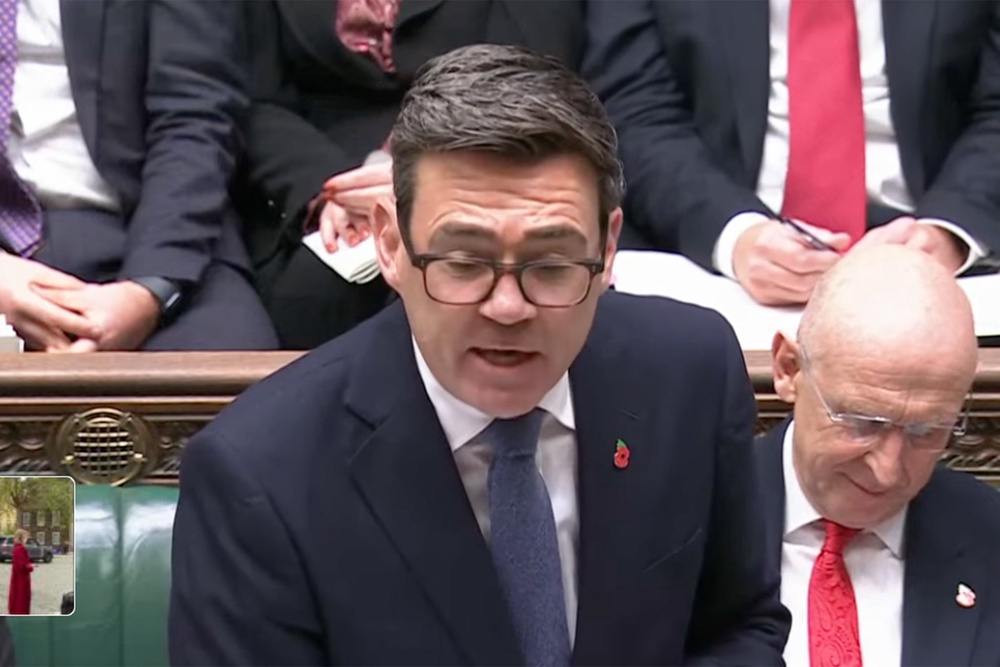
Pictured: Healey delivering his first Budget
12:35 , Joe Middleton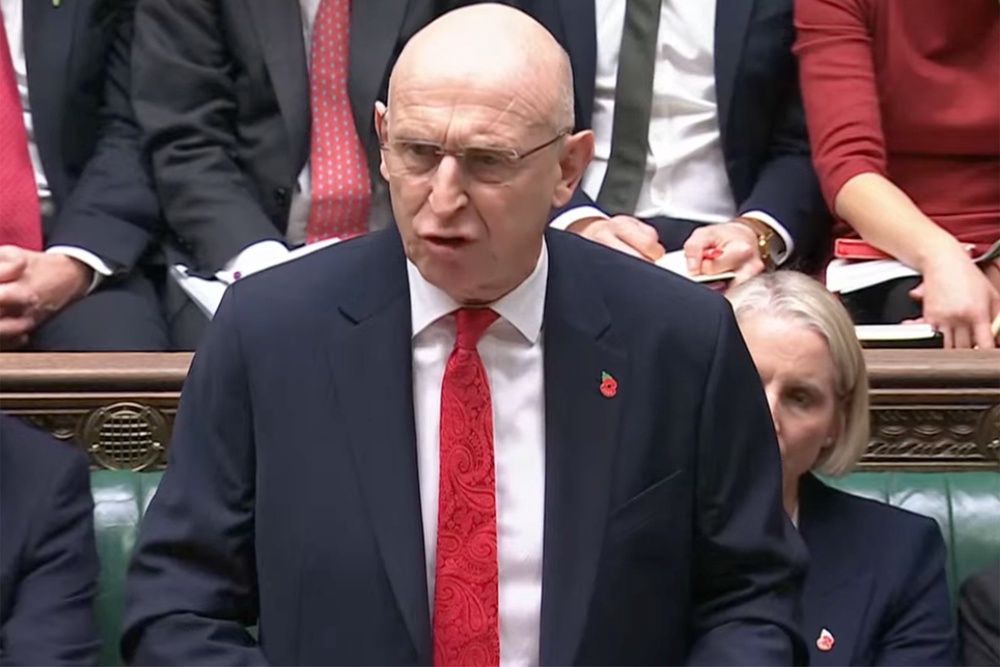
BREAKING NEWS
12:32 , Joe MiddletonThe chancellor John Healey is on his feet and delivering his first Budget.
Watch: Burnham told to rejoin EU customs union and single market to boost growth
12:28 , Joe MiddletonBurnham told to rejoin EU customs union and single market to boost growth
12:21 , Joe MiddletonPolitical reporter Athena Starvou reports:
Ed Davey has urged Andy Burnham to consider rejoining the EU’s customs union and single market in order to boost growth.
The Liberal Democrat leader told the prime minister to act in order to improve the cost of living by using dividends of growth to cut people’s taxes.
Mr Burnham has ruled out such a move within this parliament in order to avoid a breach of Labour’s 2024 manifesto, but said he will “take pragmatic steps where we can to improve British business”.
He went on to accuse the Conservative’s of having “turned their back” on British businesses, after Kemi Badenoch grilled him on his Brexit comments.
He said: “They claim to be party of business, they turned their back on them today. This party never will.”
Badenoch accuses Burnham of going back on his promise not to rerun Brexit referendum
12:15 , Joe MiddletonPolitical correspondent Millie Cooke reports:
Kemi Badenoch has accused Andy Burnham of going back on his words after he promised not to rerun the referendum when he was trying to win the Makerfield by-election.
Pointing to his promise during the crucial poll, Mrs Badenoch said: "Does he still agree with himself?"She also asked Labour backbenchers to give a "show of hands" for "who supports free movement".
Joking about the lack of hands in the air, the Tory leader said: "I know he doesn't want to look behind him"
Analysis: Kemi Badenoch may not be on a winning ticket supporting Brexit
12:13 , Joe MiddletonPolitical editor David Maddox:
The Tory leader Kemi Badenoch has decided to attack the prime minister on his plans to reverse key aspects of Brexit.
While she had to pick a non-economy subject on the day the Budget her decision to pin her colours to the mast of defending the Brexit status quo could be problematic.
While the ins and outs of the debate are one thing is it is clear that the path for a Tory comeback are in the south of England and London, areas where support for rejoining the eU is strongest.
She will struggle to “out-Brexit” Nigel Farage who built his political career on the issue. She will struggle to take on Reform in other parts of the country.
Watch: Burnham pays tribute to Spain victims after high-speed rail collision in Toledo
12:11 , Joe MiddletonBurnham questioned on EU referendum
12:09 , Joe MiddletonPolitical reporter Athena Stavrou reports:
Kemi Badenoch has opened her line of questioning this week by grilling the prime minister on his position on the EU.
The Tory leader asked Andy Burnham to clarify the “confusion” on his position on rejoining the EU, asking him whether he wants a referendum.
But the prime minister insisted there is “no confusion at all” over his position, arguing he has been “entirely consistent”.
He confirmed Labour’s manifesto promise to not reopen freedom of movement with the EU would remain in place until the end of this parliament, but said the Brexit deal has been “bad for growth and bad for control for immigration”.