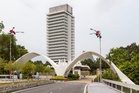
Kuala Lumpur: Budget 2027 marks the next phase of Malaysia’s reform journey by balancing cost-of-living relief, business competitiveness, and fiscal discipline while narrowing the deficit to 3.3 per cent of gross domestic product.
KPMG Malaysia head of tax Soh Lian Seng described the national budget as inclusive, noting that it balances relief for households and small businesses with sustainable revenue collection and tax compliance.
Support for middle-income households includes an increase in individual tax relief from RM9,000 to RM12,000 alongside expanded reliefs for medical, caregiving, education, skills, and lifestyle expenses.
Small and medium enterprises (SMEs) will benefit from lower corporate tax rates, higher qualifying values for small-value assets, extended capital allowances, and stamp duty concessions for certain financing arrangements.
The national fiscal plan also signals a strategic shift towards raising earning capacity and household purchasing power through an increased minimum wage and stronger support for gig workers.
Investment incentives have been bolstered by extending the Global Services Hub regime, introducing a 5 per cent preferential tax rate for qualifying incremental income, and granting treasury-related tax exemptions.
Soh added that the ultimate success of the budget will hinge on translating these targeted measures into higher productivity, stronger incomes, and sustainable economic growth.