KUALA LUMPUR – Budget 2027 must deliver more than cash assistance and subsidies, with higher wages, better-quality jobs and reduced income inequality serving as the true measures of economic progress, said International Islamic University Malaysia political analyst Professor Syaza Shukri.
She said while the budget offered immediate relief through increased cash assistance and expanded tax relief, sustained improvements in living standards would depend on whether economic growth translated into better-paying employment and more equitable opportunities.
Prime Minister Datuk Seri Anwar Ibrahim tabled Budget 2027 in the Dewan Rakyat today, with total government expenditure and investments projected at RM510 billion, up from RM470 billion previously.
The total comprises RM459.8 billion in federal expenditure, including RM376.8 billion in operating expenditure and RM83 billion in development expenditure. The remaining RM50.2 billion comes from investments outside the federal budget, including government-linked investment companies, public-private partnerships and federal statutory bodies.

Speaking to Scoop, Syaza said the measures would help households manage the cost of living but questioned how long Malaysians would have to depend on annual budget announcements for relief.
“What I can see is that this is almost like a typical budget that will indeed help ease the cost of living for the people. However, I wonder how long we will have to wait for the government to announce these measures every year,” she said.
She said some recipients in the B40 income group had welcomed the increase in Sumbangan Tunai Rahmah (STR), while those in the M40 group had responded positively to higher income-tax relief limits.
However, she stressed that lasting improvements in public well-being required broader opportunities in business and education, rather than continued reliance on financial assistance.
“All these measures are good, but the well-being of the people will certainly also depend on long-term efforts to improve their welfare through business opportunities, which should be preceded by educational opportunities,” she said.
Syaza said Malaysia's encouraging macroeconomic performance had yet to translate into tangible benefits for all, with many people still feeling left behind despite the country's economic progress.
While acknowledging the value of higher spending and investment, she said the critical question was whether these gains would reach workers through better pay.
“I think the increase in spending and investment is certainly good, but the question is whether these benefits are reaching the people in the form of, most importantly in my view, higher wages, because that is Malaysia's main problem,” she said.
She said Malaysia continued to grapple with compressed wages, underscoring the need for reforms to ensure workers were better rewarded for their skills and contributions.
Although she viewed the minimum wage increase positively, she said the gap between RM2,000 for unskilled workers and RM2,500 for skilled workers remained a concern, particularly given the cost of living and working in Kuala Lumpur.
Syaza called for greater emphasis on high-value investments capable of creating better-paying jobs, supported by education and training programmes that equip workers with the skills employers need.
“The types of investments coming into Malaysia should prioritise high-value investments so that they can help increase people's wages, accompanied by appropriate education,” she said.
She added that building sustainable employment and income opportunities should take precedence over cash handouts, which ought to serve as temporary support.
On subsidies and social assistance, Syaza acknowledged their importance in helping lower-income households cope with rising costs but questioned whether existing targeting mechanisms were sufficiently effective.
“I believe cash assistance and subsidies certainly help lower-income groups, but I do not think the targeting is effective. They are still blanket measures, even though there are different tiers and allocations based on consumption,” she said.
She said the approach continued to place pressure on public finances, citing the RM40 billion fuel subsidy burden as an example of the fiscal challenges involved.
For Syaza, Budget 2027 should ultimately be judged by its ability to narrow the income gap and ensure economic growth delivers lasting improvements in people's lives.
Referring to the budget's theme, “Mengakar di Bumi”, she said headline economic figures alone were insufficient to demonstrate success if the benefits were not felt more widely across society.
“The health or ill health of a society depends on the well-being or otherwise of the individuals within it. If economic growth can genuinely be felt and enjoyed by the people in a sustainable manner, that would be the true indicator of the MADANI government's success,” she said.
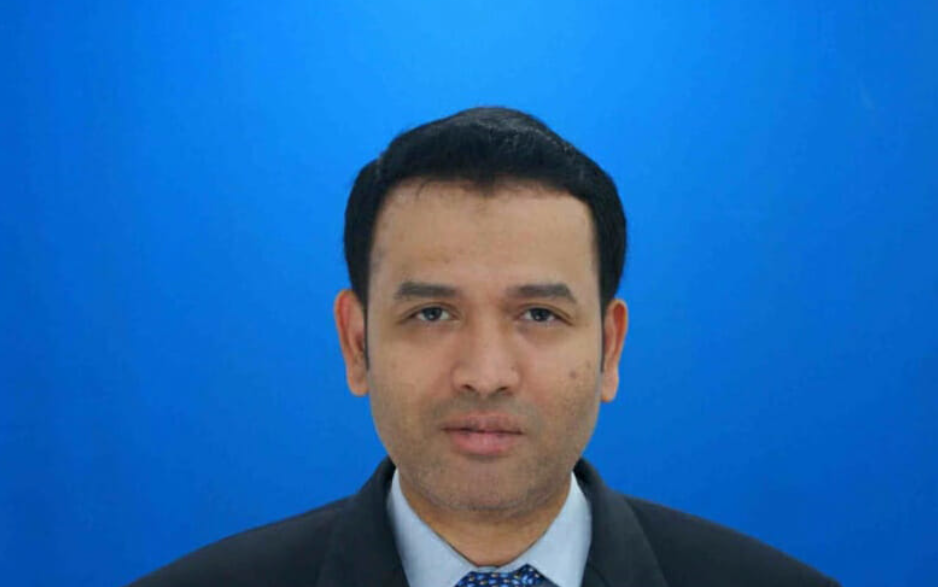
Meanwhile, economist Dr Samirul Ariff Othman gave a cautiously positive assessment of the budget, saying its effectiveness would depend on implementation and whether economic expansion translated into sustained improvements in household incomes.
He said the projected RM510 billion in total expenditure and investments was substantial, but cautioned that the figure should not be mistaken for direct government spending alone.
“The RM40 billion increase, approximately 8.5%, is substantial in headline terms. However, the RM510 billion combines federal expenditure with investment outside the federal budget. It should not be interpreted as direct government spending alone,” he said.
Federal expenditure is set at RM459.8 billion, compared with the revised RM444.1 billion for 2026, an increase of approximately RM15.7 billion, or 3.6%. Development expenditure will rise more modestly, from RM81 billion to RM83 billion.
Samirul said the economic impact would depend on the purpose of the spending, how quickly projects and programmes were implemented, and how much Malaysian businesses and workers benefited.
“Transfers can support consumption quickly; infrastructure and education generate benefits over longer periods,” he said.
He said the larger allocation presented opportunities to stimulate economic activity, but timely delivery and strong domestic supply chains would be essential to ensure spending translated into tangible gains for households.
On the government's plan to reduce the fiscal deficit from 3.6% of gross domestic product (GDP) in 2026 to 3.3% in 2027, Samirul said the target was achievable if revenue collection, economic growth and expenditure controls remained on track.
He noted that the Finance Ministry's fiscal projections put the deficit at approximately RM78.5 billion in 2026 and RM77.5 billion in 2027, suggesting only a modest reduction in annual borrowing.
Growth in nominal GDP would also contribute to lowering the deficit as a proportion of the economy, while government revenue was projected to rise by 4.7%, he said.
However, he identified weaker economic growth, persistently high energy costs and additional spending commitments without matching revenue as potential risks to the fiscal targets.
Higher oil prices could increase petroleum revenue but also raise fuel subsidy costs, he said, meaning the additional income would not necessarily offset the higher expenditure.
“Malaysia should maintain gradual consolidation while protecting essential services and productive investment. Regular disclosure of revenue, subsidy costs and the financing of new measures would strengthen credibility,” he said.
Samirul added that fiscal discipline should strengthen the government's underlying financial position rather than depend on postponing projects or delaying payments.
Turning to household finances, he said Budget 2027 offered some relief to middle-income families, but the financial pressures they faced were structural and could not be resolved through tax measures alone.
Higher individual income-tax relief could reduce taxable income, he said, but the actual savings would depend on a taxpayer's income and applicable tax rate. Those who did not pay income tax would not benefit directly from the deductions.
Many households continued to face overlapping expenses involving housing, food, transport, childcare, healthcare and debt repayments, he said, making higher incomes and more affordable essential services critical to improving financial security.
Samirul called for wage growth supported by productivity improvements, affordable housing near employment centres, and reliable public transport, healthcare and childcare services to reduce unavoidable household costs.
He also stressed that subsidy and cash assistance programmes must reach eligible recipients effectively, supported by regularly updated eligibility records, accessible appeals processes and transparent reporting of programme costs and savings.
Looking ahead, he said the government's performance should be assessed against indicators such as real wage growth, job quality, household purchasing power, realised investments, public-service outcomes and fiscal performance.
National averages, he cautioned, could mask households and regions that continued to fall behind.
Ultimately, Samirul said, the test of Budget 2027 would be whether Malaysians had more disposable income after meeting essential expenses and whether those improvements could be sustained over time. - October 10, 2026
The post Budget 2027 must turn economic growth into higher wages: analysts appeared first on Scoop.