9. Gig workers and retirement: measure net earnings
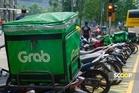
The Government–Grab package combines earnings support, maintenance and protection. Projected gains of up to RM227 for median e-hailing drivers and RM100 for p-hailing riders are not equal guaranteed payments. Source
SOCSO matching, EPF matching, wider self-employed contribution support, financing and p-hailing regulation address insecurity. Automatic EPF registration at 18 creates an account; contributions create savings.
How it helps: Protection becomes more affordable, with potential earnings and retirement benefits.
How to evaluate: Track net income per working hour after costs, active coverage and savings accumulated. Avoid measuring success only through registrations.
10. Disability, ageing and care: support the whole household
The notes include RM1.5 billion disability assistance, a higher EPOKU income threshold and RM1.3 billion senior-citizen support. The senior-citizen allocation appears twice and should be counted once.
Caregiver training, childcare grants, day centres and reduced elderly-care service tax recognise family responsibilities.
How it helps: Better care can protect vulnerable people and enable family members to remain employed. A higher threshold may prevent some working disabled recipients losing eligibility after modest wage gains.
How to evaluate: Monitor access, waiting lists, service quality and caregiver employment. Check whether providers pass tax savings to families.
11. Housing: affordability extends beyond the deposit
SJKP guarantees could help first-time buyers with irregular incomes. Affordable housing, Belfield units, PETRONAS development and other listed projects expand potential supply.
Stamp-duty relief and abandoned-project rescue incentives can reduce transaction costs.
How it helps: Eligible buyers may overcome upfront or financing barriers; stranded buyers may benefit from viable rescue projects.
How to evaluate: Examine completions, locations and sustainable repayments. The two summaries describe different relief for homes above RM500,000; confirm the exact treatment before calculating savings. A guarantee does not remove the borrower’s repayment obligation.
12. Education: facilities and learning must improve together
The supplied notes list nearly RM69 billion for education, RM2 billion maintenance, dilapidated-school upgrades, additional classrooms and support across school categories.
Bantuan Awal Persekolahan at RM200 adds RM50 per eligible pupil. School meals, special-education allowances and Form Six assistance address participation and welfare.
How it helps: Families gain expense relief, and students can learn in safer, better-equipped environments.
How to evaluate: Measure repair completion, attendance, inclusion and learning outcomes. Do not describe the RM2,500 Form Six allowance as monthly without confirmation. The stated 5.3 million pupils at RM200 implies approximately RM1.06 billion, requiring reconciliation with a rounded RM1 billion headline.
13. Higher learning: reduce the cost of staying in education
FLYsiswa, Dapur Siswa, campus accommodation and PTPTN flexibility address travel, food, housing and graduate cash flow.
How it helps: Students facing financial pressure may be better able to continue studying; low-paid graduates gain repayment breathing space.
How to evaluate: Track access, dropout rates, accommodation quality and affordability. Deferment does not cancel debt. Confirm payment periods and the precise income boundary for repayment categories.
14. Healthcare: access, staffing and bills all matter
The summaries list RM47.7 billion for health, repairs, permanent doctor appointments and higher eligible staff allowances.
MediAsas is scheduled for January 2027, with eligible EPF-account use and first-year SME premium support. Standardised bill categories, online licensing and electronic records seek better transparency and administration. Source
Medical-assistance funding, screening, MySalam and other preventive-health support broaden the response.
How it helps: Better staffing and protection could improve continuity and reduce financial distress.
How to evaluate: Monitor waiting times, retention and out-of-pocket expenses. EPF-funded premiums use personal savings. Standard billing categories do not automatically lower every bill, and insurance needs clear coverage and exclusions.
15. Farming, fisheries and food security: strengthen supply
Paddy support, oil-palm replanting financing, fishermen’s licences and incentives help producers manage costs and maintain livelihoods.
How it helps: Sustainable production can improve supply and support rural incomes.
How to evaluate: Track yields, farmer earnings, availability and waste. Verify components before describing per-hectare support as unrestricted cash. Financing may require repayment. Irrigation, cold chains and market access must accompany assistance. YB Datuk Seri Haji Muhamad bin Sabri
16. States, Sabah, Sarawak and rural communities: close service gaps
Regional allocations, MA63 grants, scholarships, border-trade access, Orang Asli programmes, Felda support and New Village repairs aim to spread opportunity.
| Area | Listed focus and potential benefit |
|---|---|
| Negeri Sembilan | Industrial, road and rail development: logistics and jobs |
| Selangor/Klang Valley | Flood mitigation: lower household and business losses |
| Johor | Transit and JS-SEZ: mobility and economic opportunity |
| Penang | Manufacturing innovation: technical employment |
| Perak | Maritime and automotive hubs: industrial capabilities |
| Melaka | TVET and flood protection: skills and resilience |
| Kedah | Semiconductors and paddy: industry and food livelihoods |
| Pahang | ECRL corridor: connected commercial activity |
| Kelantan | Water and dam planning: potential service improvements |
| Perlis | Industrial and agribusiness infrastructure: production |
| Terengganu | Ecotourism and sewerage: tourism and environmental quality |
| Sabah and Sarawak | Basic services, roads, education and development |
How to evaluate: Judge reliability of water, electricity and roads, plus local employment. Interim grants are not final agreed formulas. Planning and proposed zones are not completed infrastructure.
17. Transport, utilities and digital connectivity: lower daily friction
Rail purchases, increased frequencies, feeder services, My50 and MyKomuter50 could improve commuting. Johor’s transit projects need coordinated connections.
Grid investment, JENDELA, undersea connectivity and pipe replacement support reliability, learning and business operations.
How it helps: People gain access to work and services, potentially with less time and expense.
How to evaluate: Measure service frequency, reliability, fares and usable coverage. Buying trains is different from operating them. Infrastructure needs maintenance and accessible pricing. YB Anthony Loke great job so far.
18. Climate and green measures: protect assets and future costs
Flood works, efficient-appliance rebates, green tax incentives and habitat conservation address resilience.
How it helps: Prevention can reduce losses; efficient equipment can lower energy use; conservation supports natural assets and responsible tourism.
How to evaluate: Track reduced flood damage, maintenance and verified energy savings. An investment tax allowance is not reimbursement of the entire project cost. Rebates should encourage useful purchases.
19. Tourism, sport and culture: turn visitors into local income
The Visit Malaysia extension and RM935 million tourism/culture allocation support promotion and activity. Duty-free shopping relief in Langkawi and Labuan is subject to the minimum 48-hour stay.
Route-development support, event incentives, QR payments and MICE measures can improve access and transactions. SEA Games and sports funding can benefit athletes, clubs and event businesses. Tourism reporting
How it helps: Hotels, attractions, guides, restaurants and transport operators gain opportunities.
How to evaluate: Track spending, length of stay, repeat visits and local income. Langkawi still needs affordable access, refreshed attractions and service quality. Sporting events should leave facilities, coaching and participation benefits after they end. Tourism Minister and team great job so far.
20. Cities, traders and community facilities: improve everyday usability
DBKL rental relief, markets, stalls, parks, covered walkways, heritage conservation and community programmes address local livelihoods and quality of life.
Islamic-affairs support and registered non-Muslim worship-facility maintenance serve distinct community needs.
How it helps: Eligible traders save costs; residents gain usable facilities and support.
How to evaluate: Monitor access, maintenance, transparent allocations and trader income. A trader paying RM600 monthly could save RM3,600 annually from a fully applicable 50% discount. YB Hannah Yeoh has been doing a great job.
21. Safety, consumer protection and governance: rules must work
Security allocations support readiness and public safety. Proposed e-commerce legislation, impaired-driving compensation, telematics, interlocks and health screening address specific risks.
The higher bankruptcy threshold changes exposure to that proceeding; it does not cancel debts.
How it helps: Effective enforcement can protect consumers, road users and livelihoods.
How to evaluate: Assess enacted rules, fair procedures and actual enforcement. Announcements are not operative legal entitlements. Vehicle technology must accompany fatigue management, maintenance and operator accountability.
22. Investment, markets and global uncertainty: build resilience
Semiconductors, AI, services hubs and energy transition can support higher-value work. Tokenised savings sukuk could widen participation, subject to product terms.
How it helps: Realised projects create jobs and supplier demand; suitable savings products can offer additional choices.
How to evaluate: Distinguish investment approvals and job targets from completed outcomes. Check local participation, returns, liquidity and governance. No budget guarantees a Bursa rally or stronger ringgit.
Wars and oil volatility can affect freight, exports, tourism and subsidy costs. Petroleum revenues may rise with prices, while households and businesses also face higher costs. Malaysia needs diversified activity and fiscal flexibility.
A practical scorecard for the public
| Category | Evidence of success |
|---|---|
| Household relief | More money left after essential expenses |
| Wages and employment | Correct pay, stable jobs and progression |
| Business support | Productivity, viable expansion and repayment |
| Education | Better facilities, learning and student retention |
| Healthcare | Shorter waits and affordable treatment |
| Housing | Completed homes and manageable repayments |
| Agriculture | Sustainable producer incomes and dependable supply |
| Regional development | Reliable services and local opportunities |
| Transport and digital access | Affordable, frequent and usable services |
| Tourism and sport | Local earnings and lasting participation |
| Safety and governance | Effective enforcement and transparent spending |
| Public finances | Credible forecasts and manageable commitments |
My assessment is cautiously positive about the direction, conditional on delivery.
The budget addresses immediate pressure while attempting to strengthen earning capacity, services and investment. Yet no family receives every benefit, and benefits must not be added together as though everyone qualifies.
PMX and his administration should now publish clear eligibility, dates, applications, project milestones and outcomes. Ministries must deliver. Employers must comply. Businesses must use support productively.
After the assistance arrives and the bills are paid, does a Malaysian family have more room to live, save and build its future?
That is how we should judge Budget 2027. Great Start PMX should have done in Y1 after election and all reforms.
Dr. Amarjeet Singh @ AJ

Have a take on #Budget2027? Turn your perspective into content, join the conversation, and stand a chance to win exciting cash prizes! Find out how to join here. T&Cs apply.
Amarjeet Singh Sran (amarjeetsinghsran5@gmail.com) is a content creator under the Newswav Creator programme, where you get to express yourself, be a citizen journalist, and at the same time monetize your content & reach millions of users on Newswav. Log in to creator.newswav.com and become a Newswav Creator now!
The User Content (as defined on Newswav Terms of Use) above including the views expressed and media (pictures, videos, citations etc) were submitted & posted by the author. Newswav is solely an aggregation platform that hosts the User Content. If you have any questions about the content, copyright or other issues of the work, please contact creator@newswav.com.