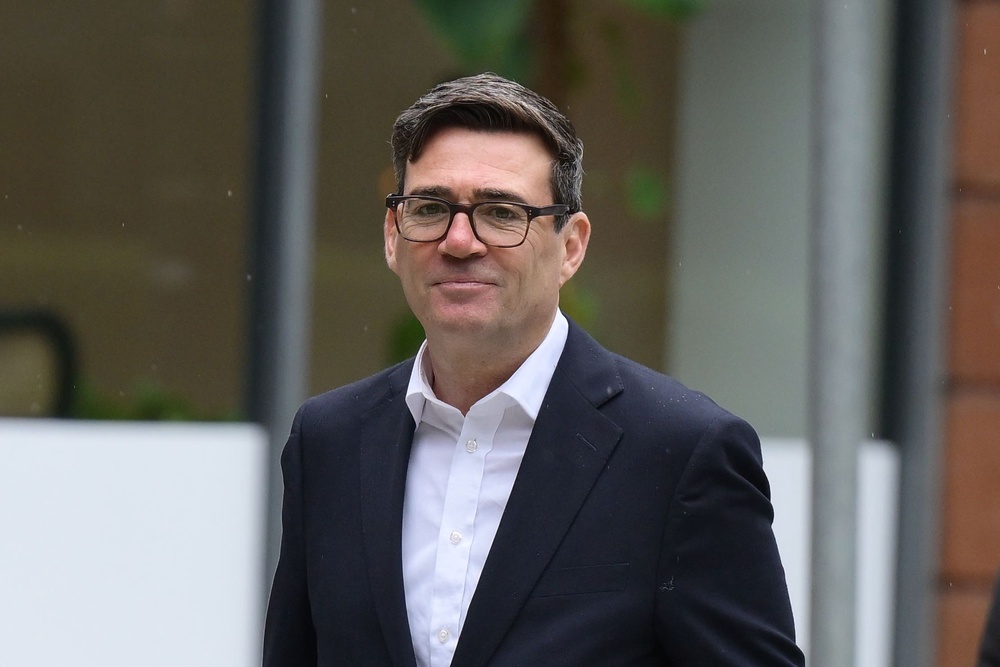
Andy Burnham is facing his first major challenge as nationalist first ministers from Scotland, Wales and Northern Ireland formally grouped together to demand the breakup of the UK.
The ultimatum is a major blow to Mr Burnham and his devolution agenda, which has fueled demands for self-rule in the three nations, now led for the first time by pro-independence first ministers.
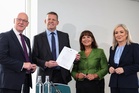
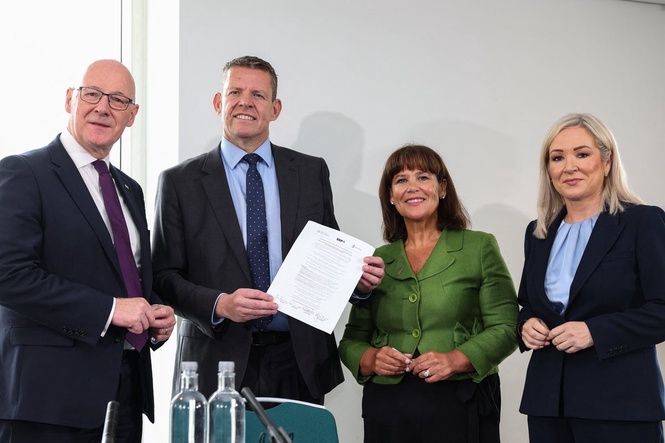
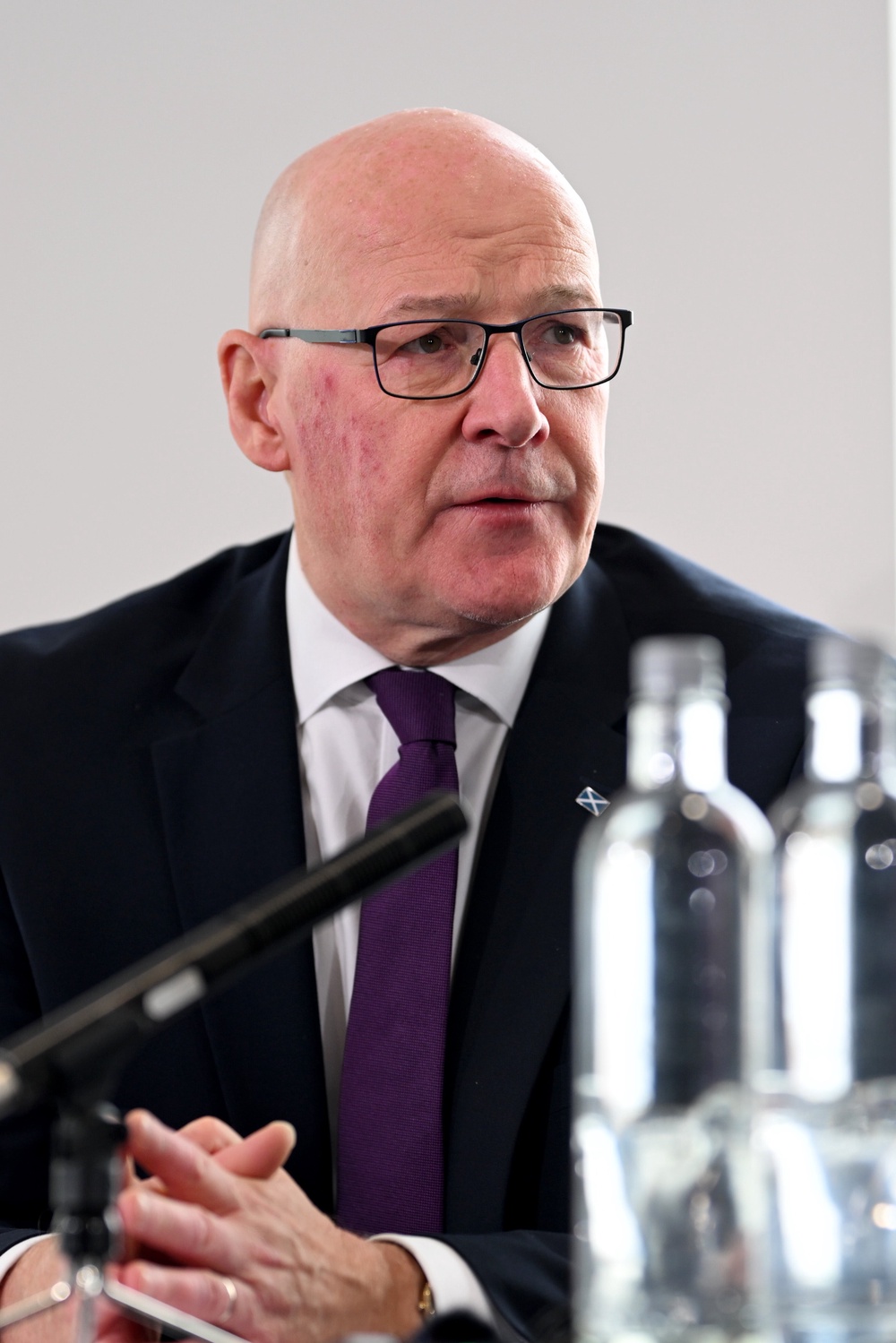
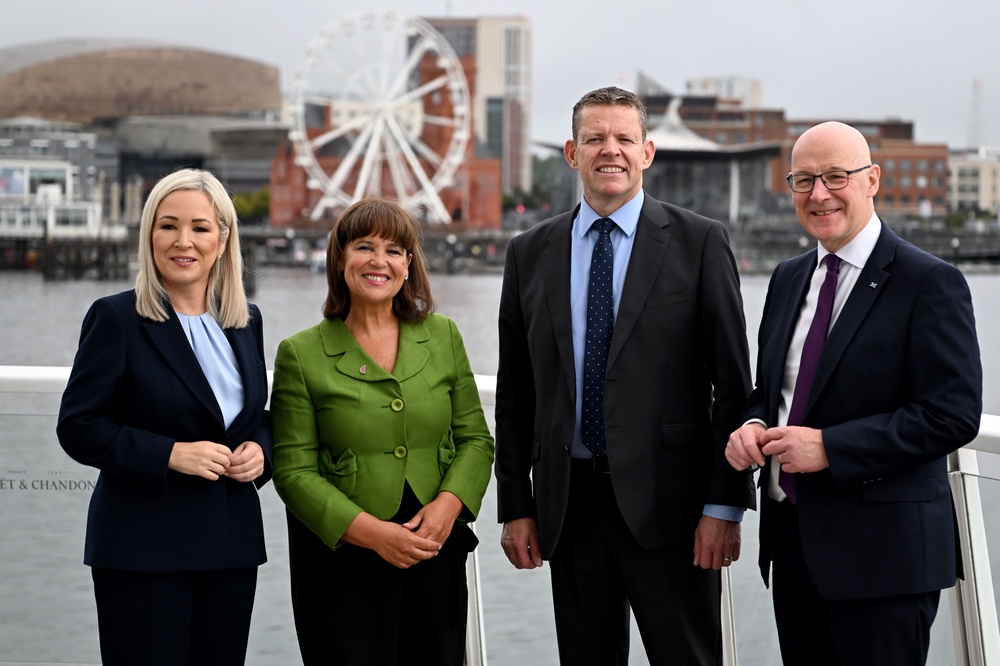
The first ministers of Scotland, Wales and Northern Ireland – SNP leader John Swinney, Plaid Cymru leader Rhun ap Iorwerth and Sinn Féin vice president Michelle O’Neill – signed a memorandum of understanding in Cardiff on Monday morning.
The three leaders declared that Mr Burnham will be the last prime minister of the United Kingdom as they signed a pact committing to independence.
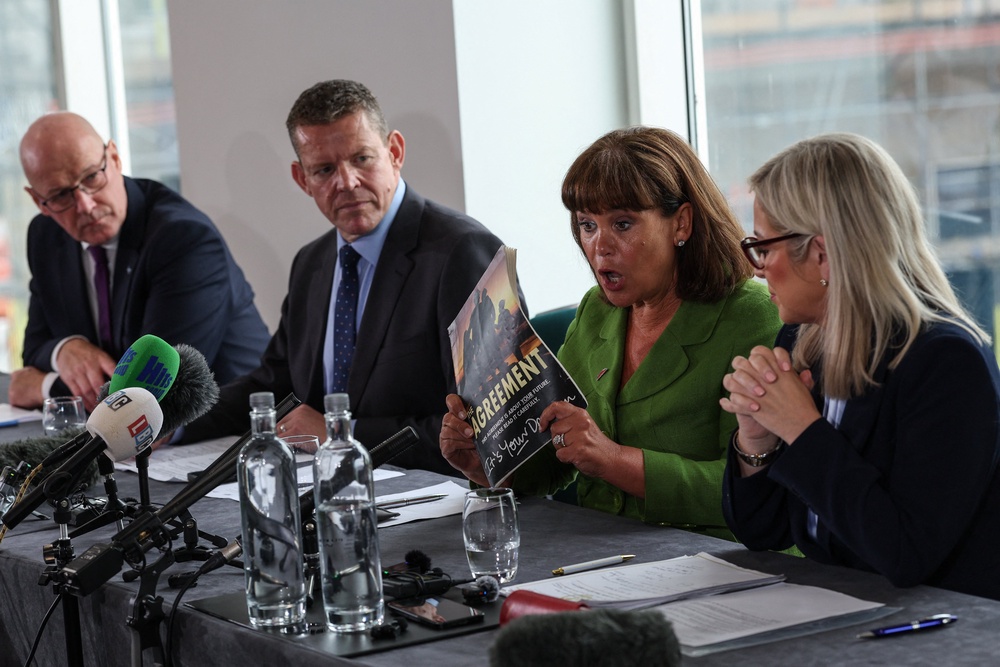
The joint agreement between the three first ministers stated it is clear that “Westminster’s time is coming to an end”, and declared that “constitutional change is coming”, placing renewed pressure on Downing Street to permit referendums on independence.
Scottish first minister Mr Swinney insisted an independence referendum must be held within the next five years, and said Scots would choose to exit the union if another vote takes place.
He declared the current prime minister, Mr Burnham, would be the final prime minister leading the entire UK, as he claimed Scotland had faced “obstruction” from the UK government.
The SNP leader said: “The people of Scotland, if given the choice of independence in a referendum, will take that choice, because all of the information that we see in front of us about the trends in opinion polling indicate that’s the preference of the people of Scotland.”
The group, who met in their capacity as party leaders – rather than as officials in their respective governments, stated their ambitions for partnership around the economy, energy and international co-operation.
Together with Sinn Féin president Mary Lou McDonald, who is leader of the opposition in the Irish Dáil, the group called on the government to "prepare for, plan and facilitate constitutional change".
The agreement says: “The political landscape across these islands is changing. For the first time ever, people across these islands have first ministers in Scotland, in Wales and in the North of Ireland who are all committed to independence from the United Kingdom.
“For people watching across these islands – for people watching around the world – there could be no clearer sign that Westminster’s time is coming to an end. We believe there is a better way: nations working together as equals, sharing ideas and expertise, and building relationships based on mutual respect and common interests.
“Momentum is behind our movements; we believe that constitutional change is coming.
“We therefore commit to strengthening cooperation between our parties and identifying practical areas where working together can make a real difference.”
The leaders add: “Our nations have the right to self-determination. No Westminster government has the right to block democracy or undermine the principle that our people will decide their own future.
“We recognise that our parties have different constitutional positions and that each nation will determine its own future in its own way and in its own time.
“We call for the British government to prepare for, plan and facilitate constitutional change in each jurisdiction.”
Mr Burnham has made devolution of power from Westminster one of his top priorities since taking over from Sir Keir Starmer before the summer, including the introduction of a tourist tax.
But Downing Street hit back at the agreement on Monday, insisting Mr Burnham was focused on easing the cost-of-living crisis for households across the country rather than on “constitutional debates.”
“The prime minister is committed to delivering change across all four nations of the United Kingdom and believes strongly in the Union,” the prime minister’s official spokesperson said.
“The United Kingdom is at its best when people come together around our shared values and problem-solving, rather than division, and the prime minister will continue to ease pressures on household finances, and delivering greater economic security, rather than engaging in constitutional debates or further referendums.”
Meanwhile, Sinn Féin vice president Ms O’Neill said Donald Trump’s comments in support of Irish unity show the debate is “very much alive”, and that the British government “can't continue to hold back the tide”.
During a visit to Dublin on Saturday, Mr Trump sparked political concern said he would “love” to see a united Ireland.
“I think that tells us where we’re at with where the thinking is around what is the big prize here for our people, and the big prize here is unification.
“It is the end of partition and it is that new beginning in a new Ireland,” she said.
It comes a week after a gaffe in parliament where Mr Burnham wrongly suggested that the Scottish Parliament in Holyrood could decide on when to hold an independence referendum.
The issue was thought to have been killed off in 2014 when Scotland voted against independence in a referendum, but was fuelled by Brexit with Northern Ireland’s place in the UK weakened by the exit deals with the EU which kept it in the single market.
Added to that voters in Scotland overwhelmingly backed staying in the EU in 2016.
Read MoreNo collusion in Robert Hamill murder but investigation flawed, report finds
A summit of nationalists takes aim at Westminster – but with very different demands
Donald Trump’s support of Irish unity ‘should come as no surprise to unionists’
Ex-Met Police detective to stand for Reform UK in Holborn and St Pancras by-election