Prior to Samsung’s January 2025 Galaxy Unpacked event, rumours suggested that the Galaxy S25 Ultra would see little to no major changes over the Galaxy S24 Ultra from the year before.
And now that we’re living in the future, and to the disappointment of Samsung fans, we know those leaks and rumours turned out to be true. With the Galaxy S25 Ultra, we gained some features over its predecessors, but we have lost some too.
Don’t get me wrong, despite not being too different from its ancestors, it’s still one of the highest-spec Android smartphones out there, sporting features that most of its competitors have yet to harness, even over 13 years after the launch of the original Galaxy Note.
At the end of the day, what does that mean for the Samsung Galaxy S25 Ultra? Is it the ultimate Android flagship you should upgrade to, or is it the disappointing phablet that you should skip this year? Here’s what I learnt after trying out the Galaxy S25 Ultra for nearly two months.
If not broken, why fix change it?
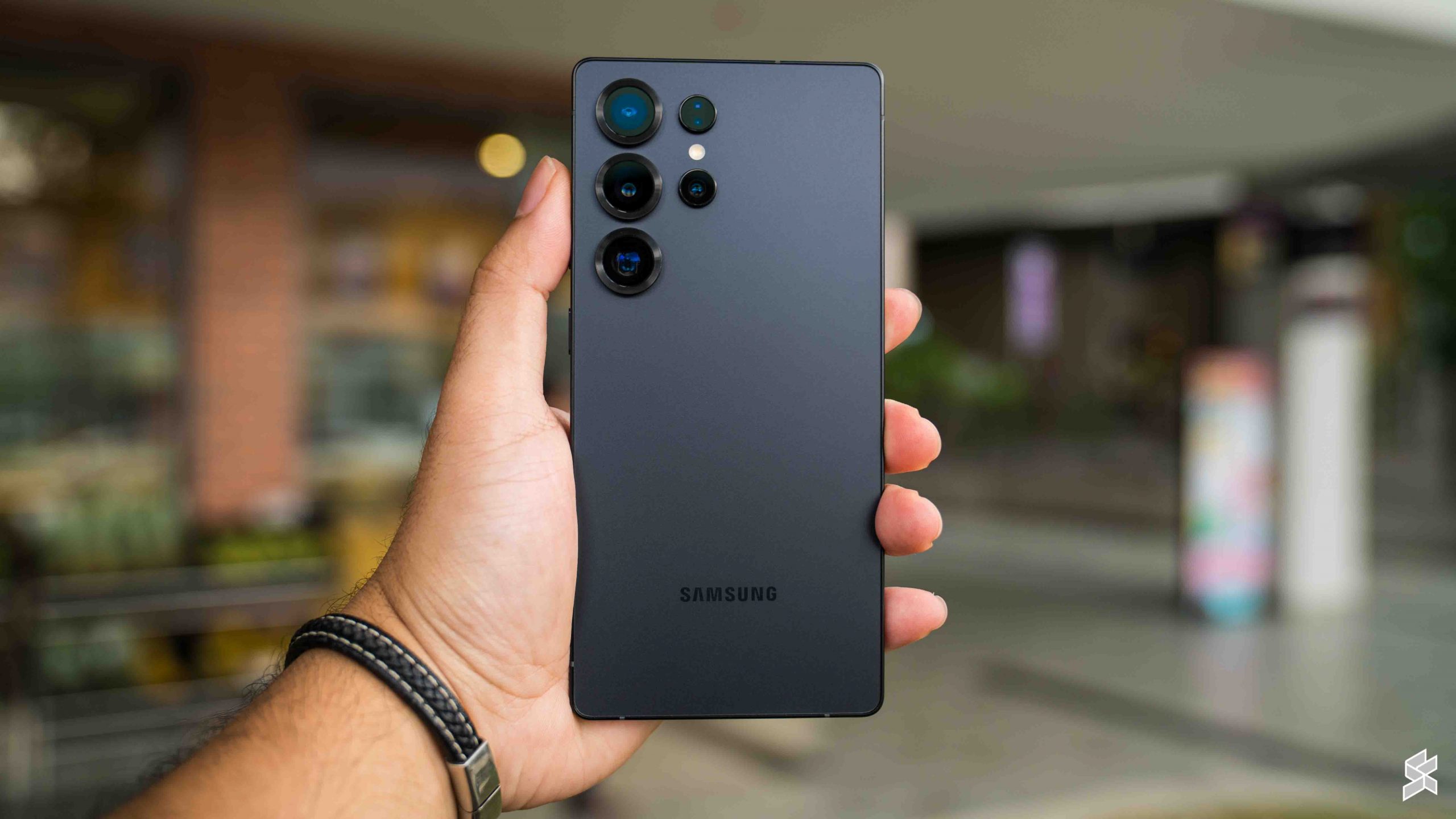
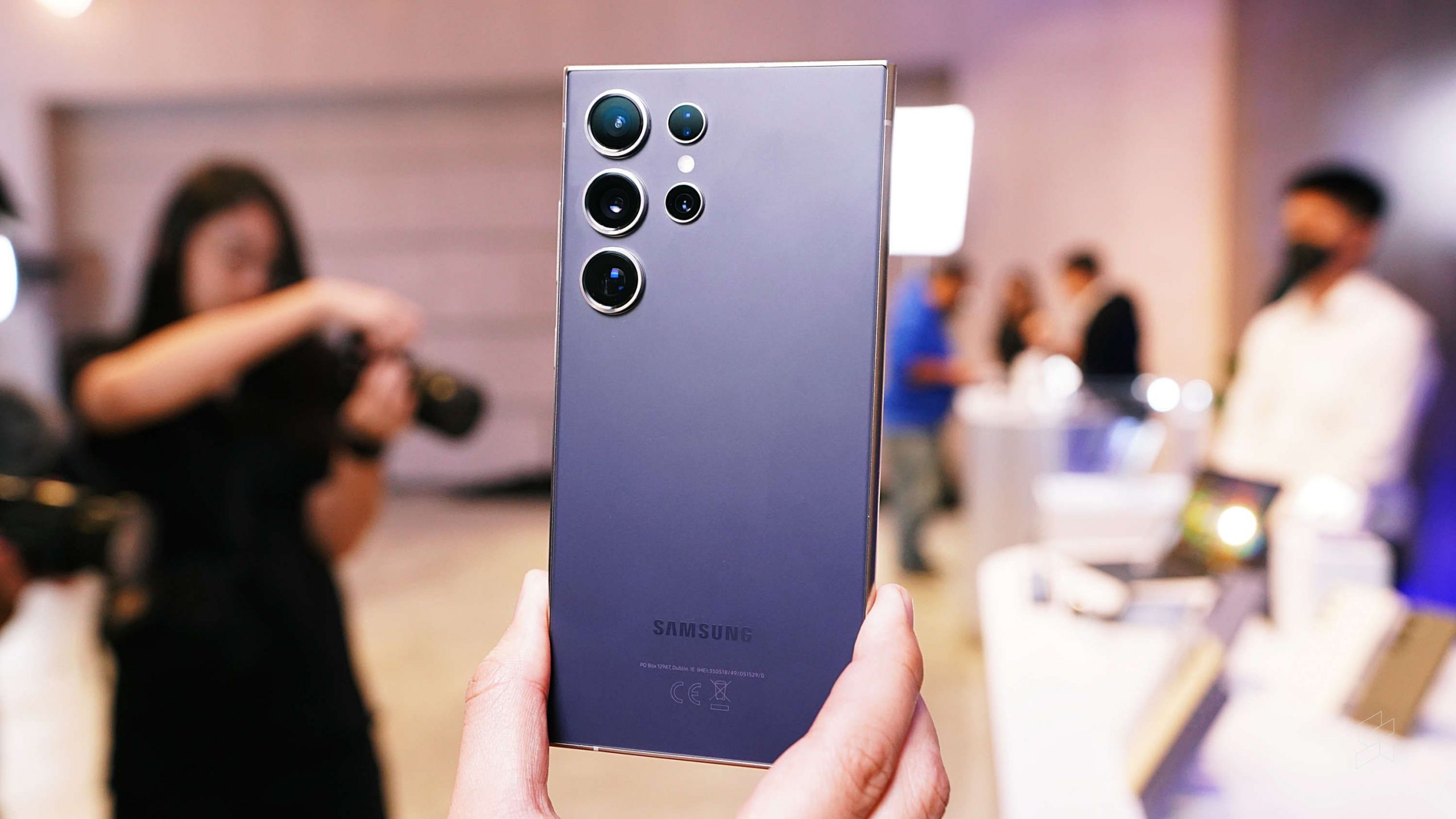
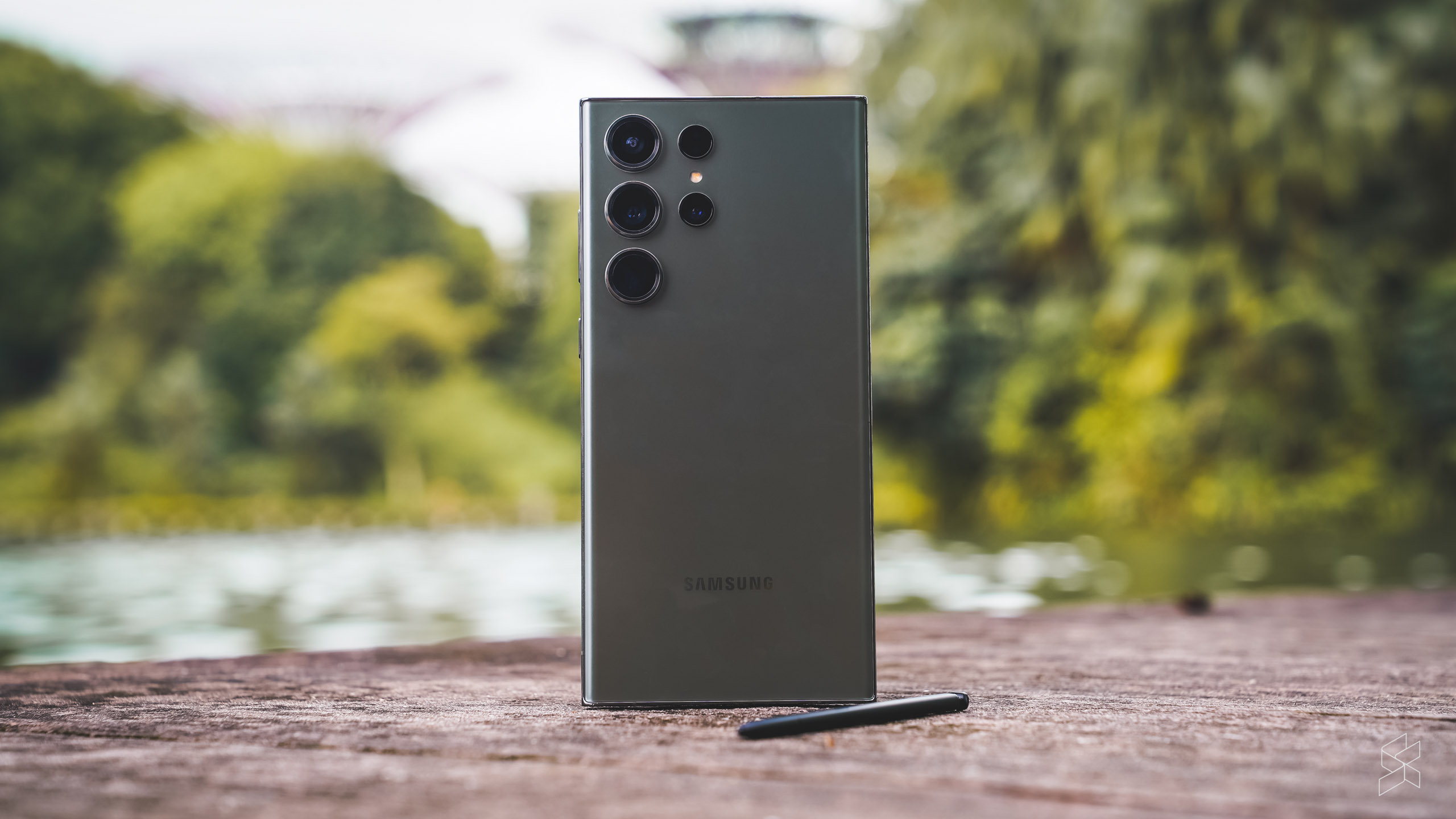
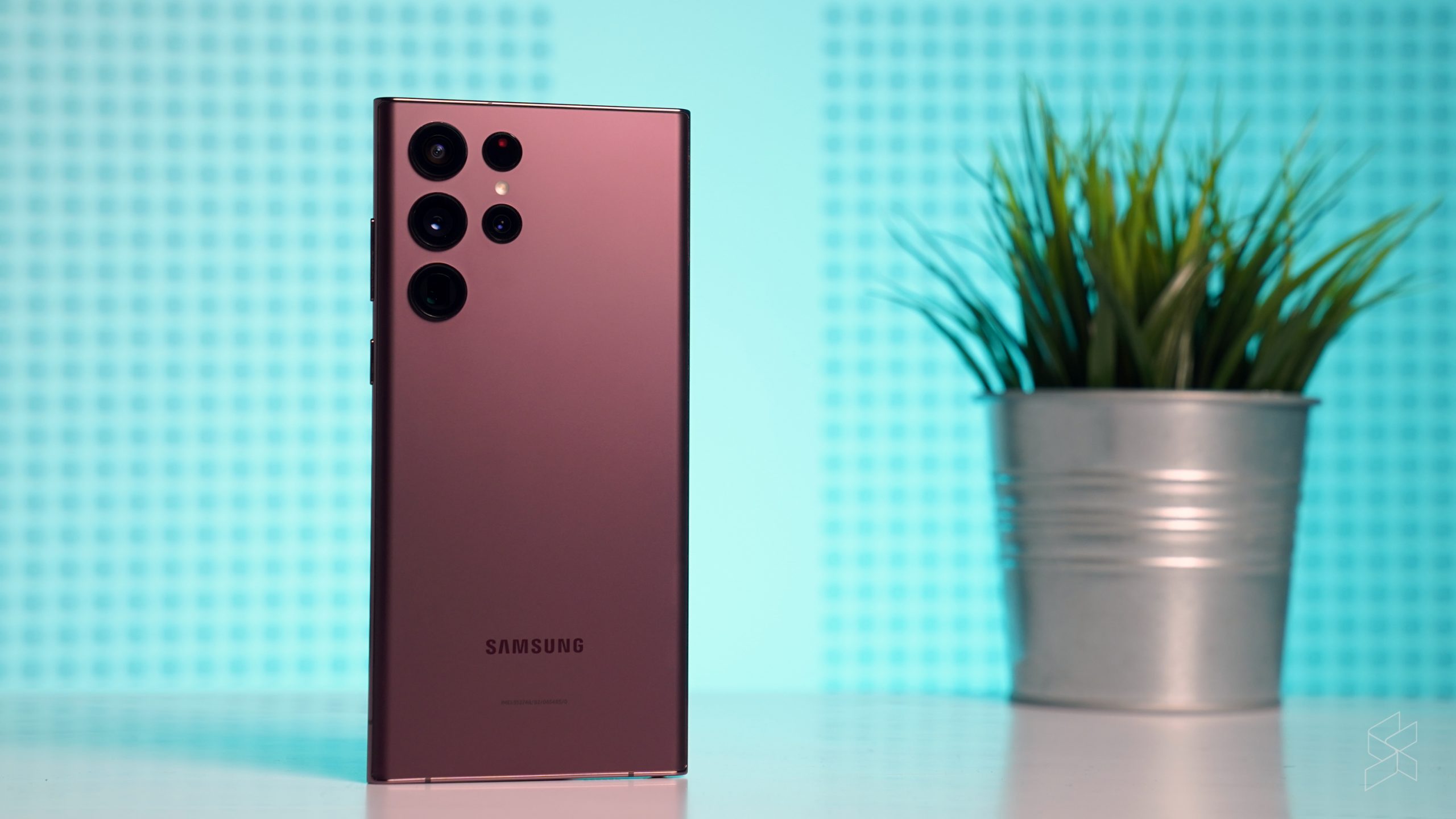
Try handing the Galaxy S25 Ultra and S24 Ultra to random people on the street, and I bet most of them won't be able to tell which is which. In fact, they won't notice if you swap one of these for the Galaxy S22 or S23 Ultra either, which don’t look too different from the S25 Ultra in the first place, especially to the layman.
But if you want to get into the specifics, here are some of the subtle changes made to the Galaxy S25 Ultra:
- Slightly rounded off corners
- Flatter sides
- More pronounced-looking camera rings
To be fair, this isn't just a Samsung thing, as Apple hasn't been altering the iPhone Pro/Pro Max's design since the iPhone 12 generation, at least in a major way. That's a five-generation streak of similar-looking iPhones. Sony isn’t any less guilty either in this regard.
Looking at this from an objective standpoint, the Galaxy S Ultra already had good genetics from the get-go, and to my eyes, the S25 Ultra is the best-looking the series has ever been. Being the flagship model in Samsung’s non-foldable smartphone lineup, you get premium materials such as glass panels and a grade-5 titanium frame.
But if a premium-built Samsung phone is all you’re looking for, you don’t have to spend over RM5,000 just to get that. Samsung’s own mid-range offering, the Galaxy A56, already grants you a similarly premium design for less than RM2,000. Sure, you do get a better experience in literally every other aspect by spending more for the S25 Ultra, but the fact that you can already get a phone that’s just as well built at less than half the money is something worth pointing out.
Aside from its premium build, the Samsung Galaxy S25 Ultra also boasts one of the brand’s strongest assets - an exceptional display. Specifically, this phone sports a 6.9″ Quad HD+ (3120×1440) LTPO AMOLED panel with a refresh rate of up to 120Hz and a peak brightness of 2,600 nits. So yes, the Galaxy S25 Ultra’s display is 0.1″ larger than its predecessor, but Samsung has trimmed its bezels even further, giving you a larger display in a body that’s barely larger than last year’s model.
Like other high-end Samsung displays, this one delivers crispy, vibrant, and punchy visuals, making it an excellent panel, especially for entertainment. I personally enjoyed this display so much that I preferred watching my Netflix shows on the Galaxy S25 Ultra over the 65″ Sharp LED TV I have back home.
Granted that TV has been serving me and my family for almost a decade, but the fact that a “tiny” smartphone display can provide a more immersive viewing experience than a TV says quite a lot about Samsung’s expertise in making excellent smartphone displays.
Ultra smartphone, ultra performance
Before the final details of the Samsung Galaxy S25 series were confirmed, I was hoping these smartphones would launch in Malaysia with Qualcomm’s Snapdragon 8 Elite chipset rather than Samsung’s in-house Exynos chip. For years, Qualcomm’s Snapdragon 8 series chip has generally delivered better performance and efficiency than Samsung’s Exynos counterparts over the past few years.
Despite that, Samsung has had the record of shipping Exynos variants of its Galaxy S flagships to international markets, including Malaysia, while markets like the US, South Korea, and Japan often receive the Snapdragon models. This regional differentiation has been a long-standing frustration among users who feel they're getting the less capable version of the same premium device.
To be fair, the entirety of the Galaxy S23 series in 2023 received Qualcomm’s then-flagship smartphone chipset, the Snapdragon 8 Gen 2. In 2024, however, only the Galaxy S24 Ultra got the Snapdragon 8 Gen 3 chipset, while the vanilla Galaxy S24 and Galaxy S24+ had to make do with Samsung’s own Exynos 2400 instead.
But, with the Galaxy S25 series, and I mean the whole lineup, I’m glad that all of them got Qualcomm’s latest and greatest mobile chipset that’s been specifically designed and optimised for Samsung’s latest flagship smartphones - the Snapdragon 8 Elite for Galaxy.
As you can already tell from its name, this isn’t any ordinary Snapdragon 8 Elite. It packs a slightly higher clock speed for its CPU and GPU and an ISP specially optimised for Galaxy cameras.
In the real world, performance is spectacular. But like some of its competitors, such as the iPhone 16 Pro Max and OnePlus 13, its cameras can get a little warm after 10 minutes of use, especially when outdoors. Aside from that, the Samsung Galaxy S25 Ultra is one of the best-performing Android phones you can get today.
But, if what you’re looking for is just a phone with the Snapdragon 8 Elite chipset, you can certainly save some money by going for alternatives like the Poco F7 Ultra or the iQoo 13.
Since we’re on the performance topic, let’s also touch on the Galaxy S25 Ultra’s battery life. Like the S24 Ultra, you get a 5,000mAh battery, which is considered mega in Samsung’s smartphone camp.
Although not as big as rivals from Xiaomi, Oppo, and Vivo that sport battery capacities as large as 6,000mAh, thanks to silicon carbide technology, I still managed to squeeze out great battery life out of the Galaxy S25 Ultra.
With the always-on display switched off and display resolution set to the full Quad HD+, I was able to squeeze out up to 6 hours of screen-on time (SOT) over 24 hours of use. The SOT figure gets decreased by just 30 minutes when I choose to turn on the always-on display. Simply speaking, you will easily be able to use the S25 Ultra for longer if you’re willing to lower the display resolution.
Spectacular cameras, but how do they compare against the iPhone?
Over the past few years, Samsung garnered quite some attention from the public with its Galaxy S Ultra series, particularly for its camera's impressive zoom capabilities. You might have seen videos online on how these phones can capture photos of artists from a faraway spot during a concert, and even the moon.
Today, the Samsung Galaxy S25 Ultra is no longer just competing against the best iPhone or Google Pixel, but also flagships from the likes of Oppo and Vivo, which not only offer great and capable hardware, but also exceptional-looking colours, thanks to their collaboration with legacy camera-makers such as Leica and Hasselblad.
But before we get into that, let’s first take a look at the camera hardware the Galaxy S25 Ultra has to offer. For starters, the Galaxy S25 Ultra's camera setup is pretty much similar to its predecessor, except for its ultra-wide-angle camera that has been upgraded from 12MP to 50MP with an f/1.9 aperture.
The other three camera modules are pretty much kept unchanged:
- 200MP f/1.7 main camera with OIS
- 10MP f/2.4 telephoto camera with OIS
- 50MP f/3.4 periscope telephoto camera with OIS
So, how did the Samsung Galaxy S25 Ultra perform as a camera phone? Well, it's good and is at the level of what you would expect from a phone of this price point. The phone delivered great quality photos at basically all zoom ranges, both in bright and dark environments.

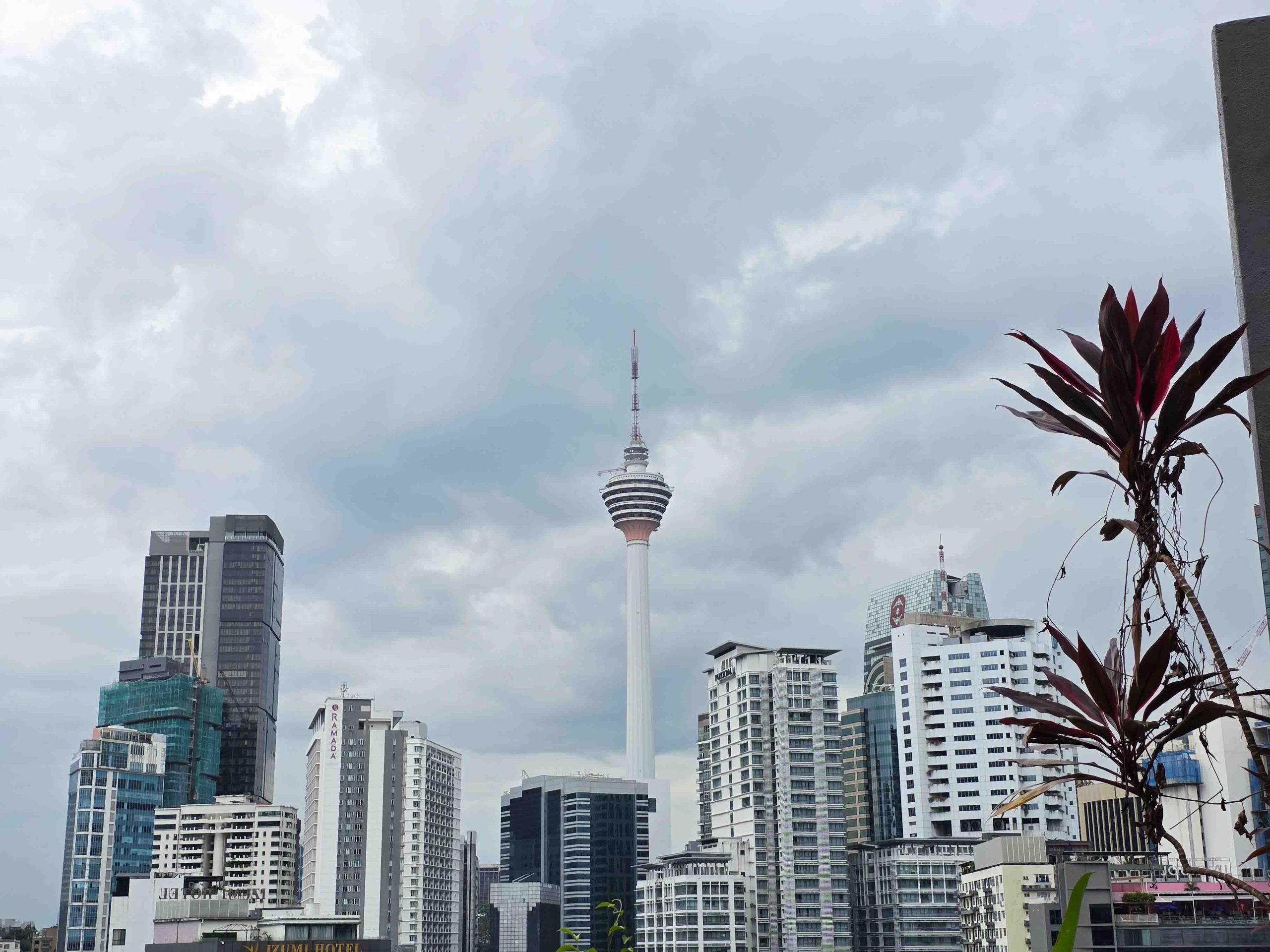
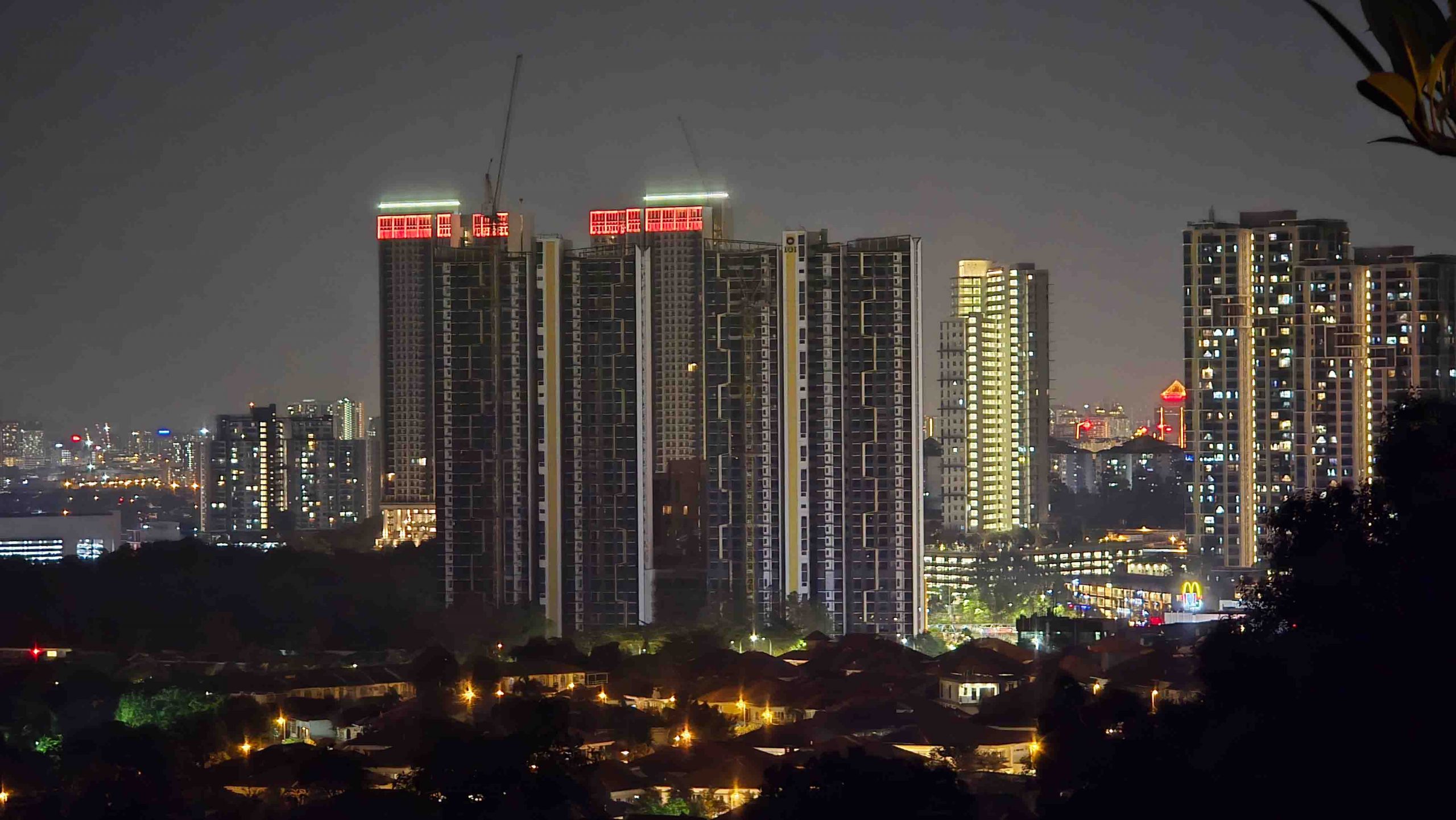
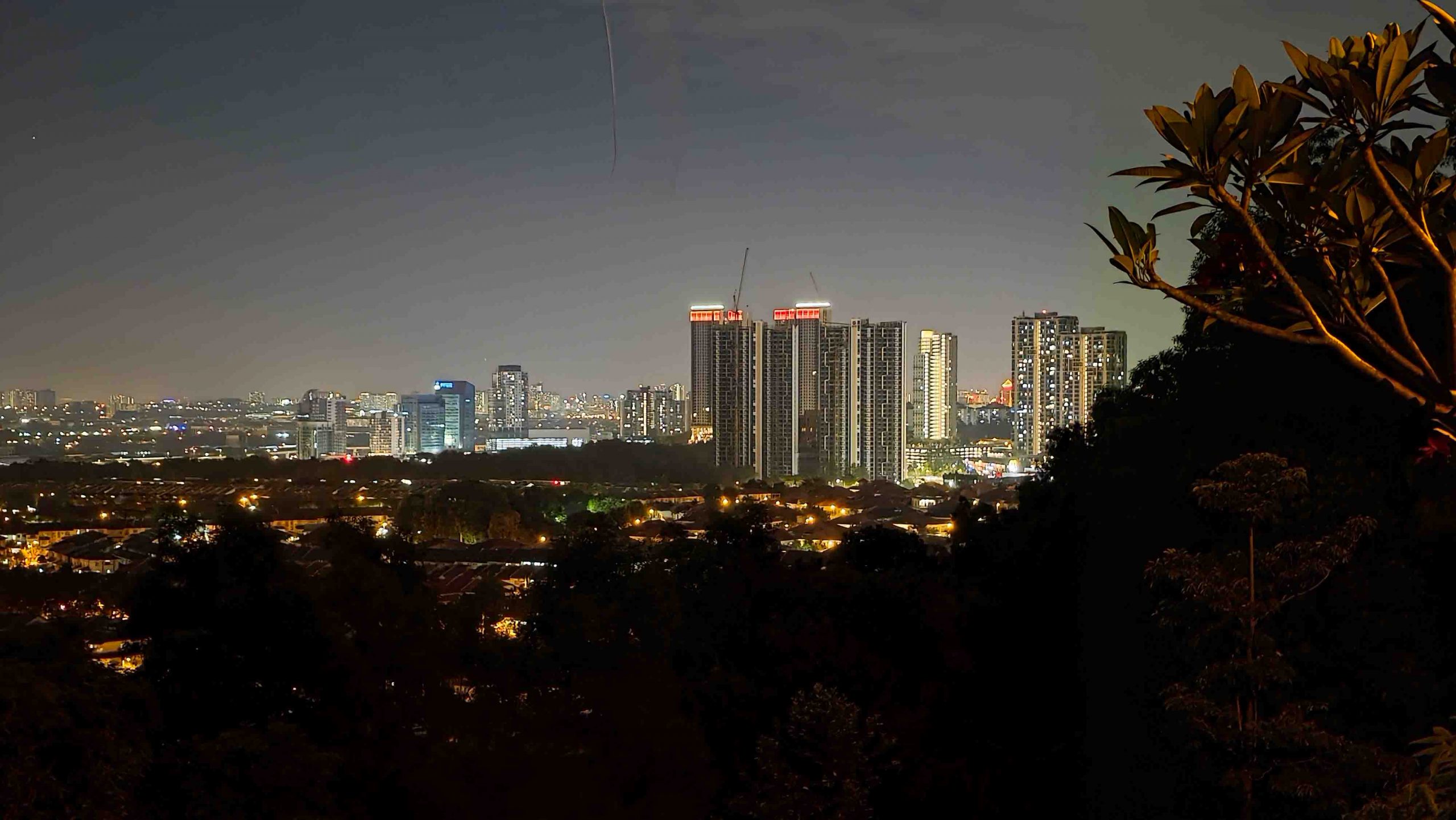
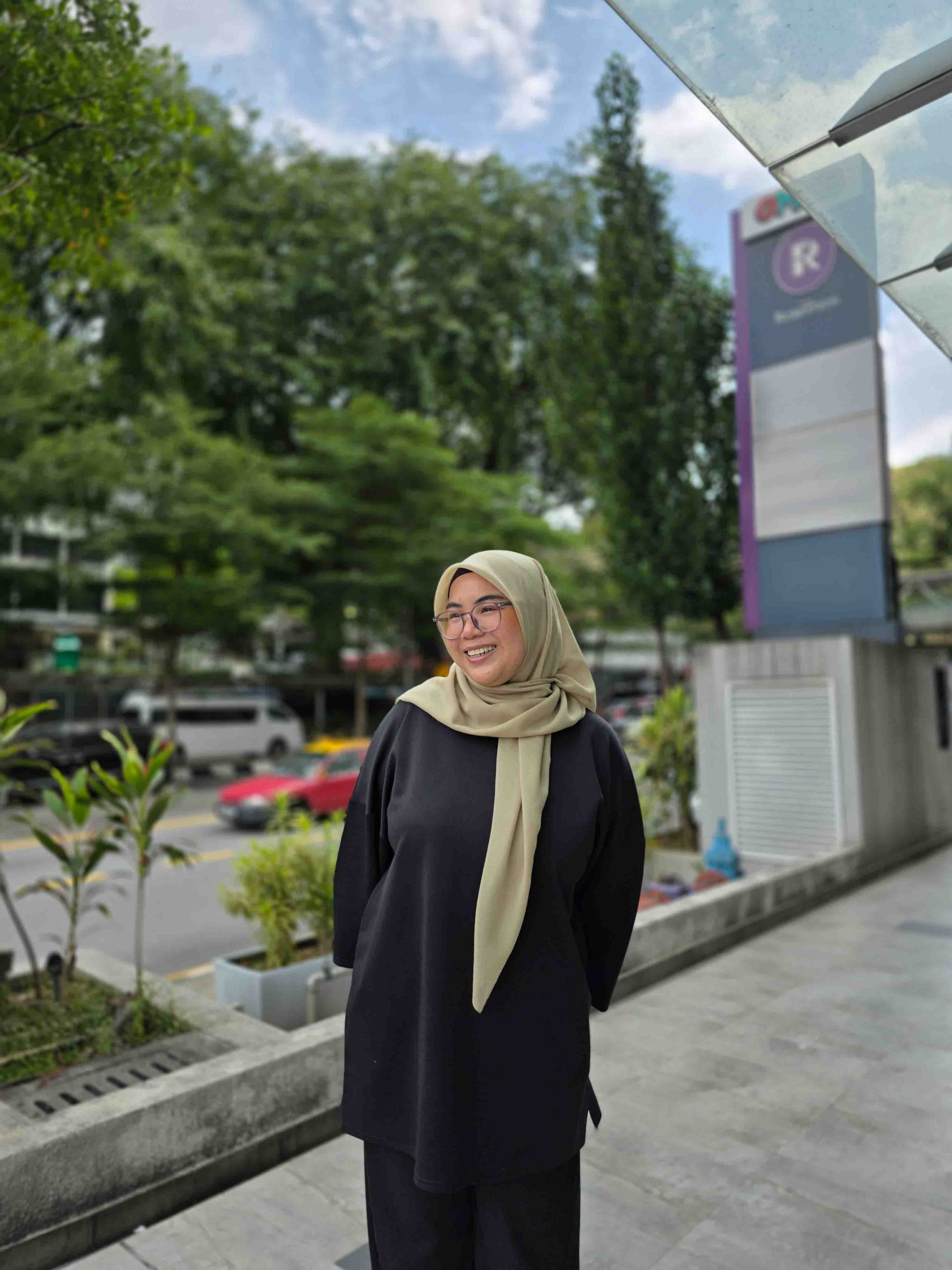






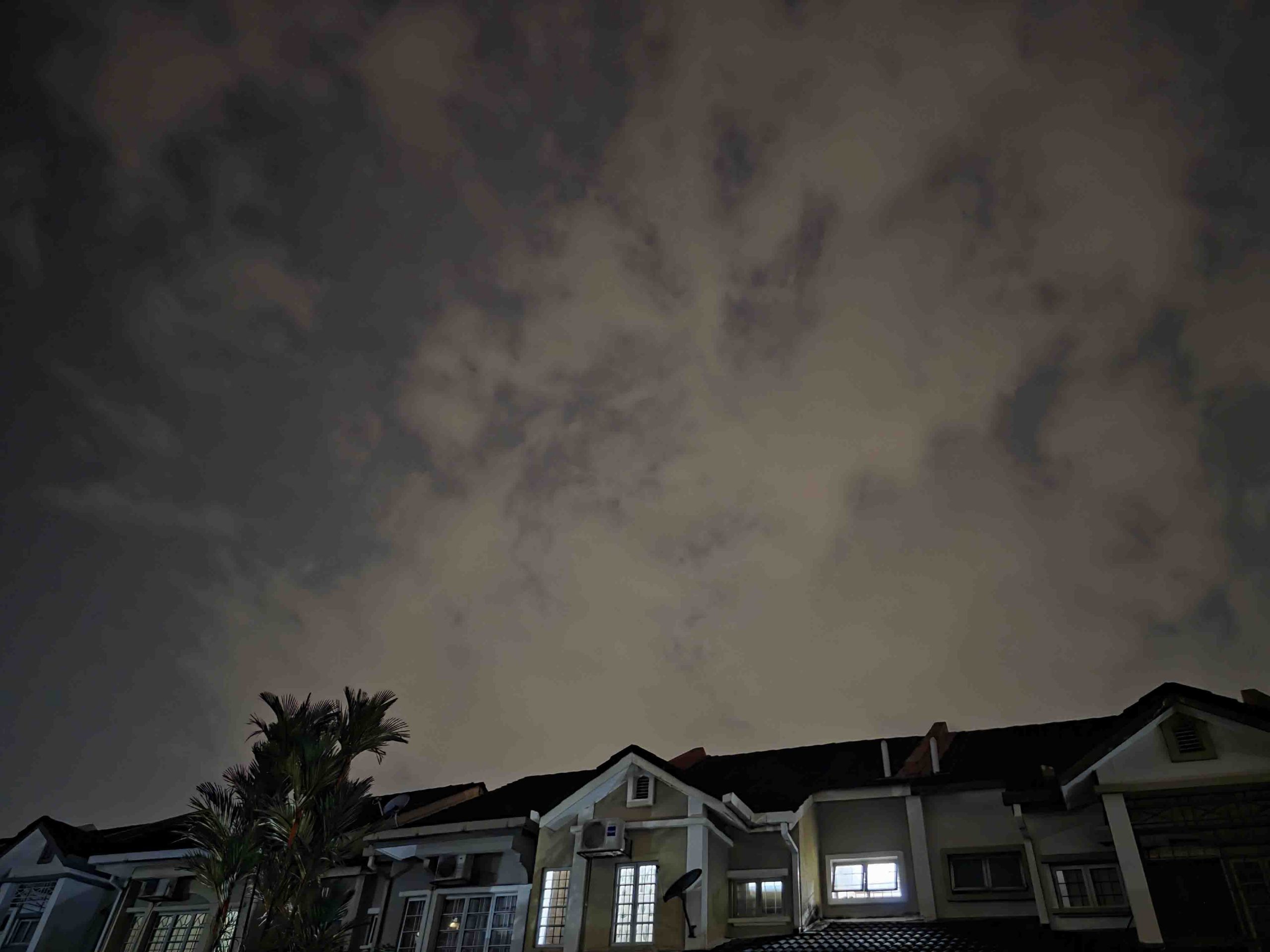
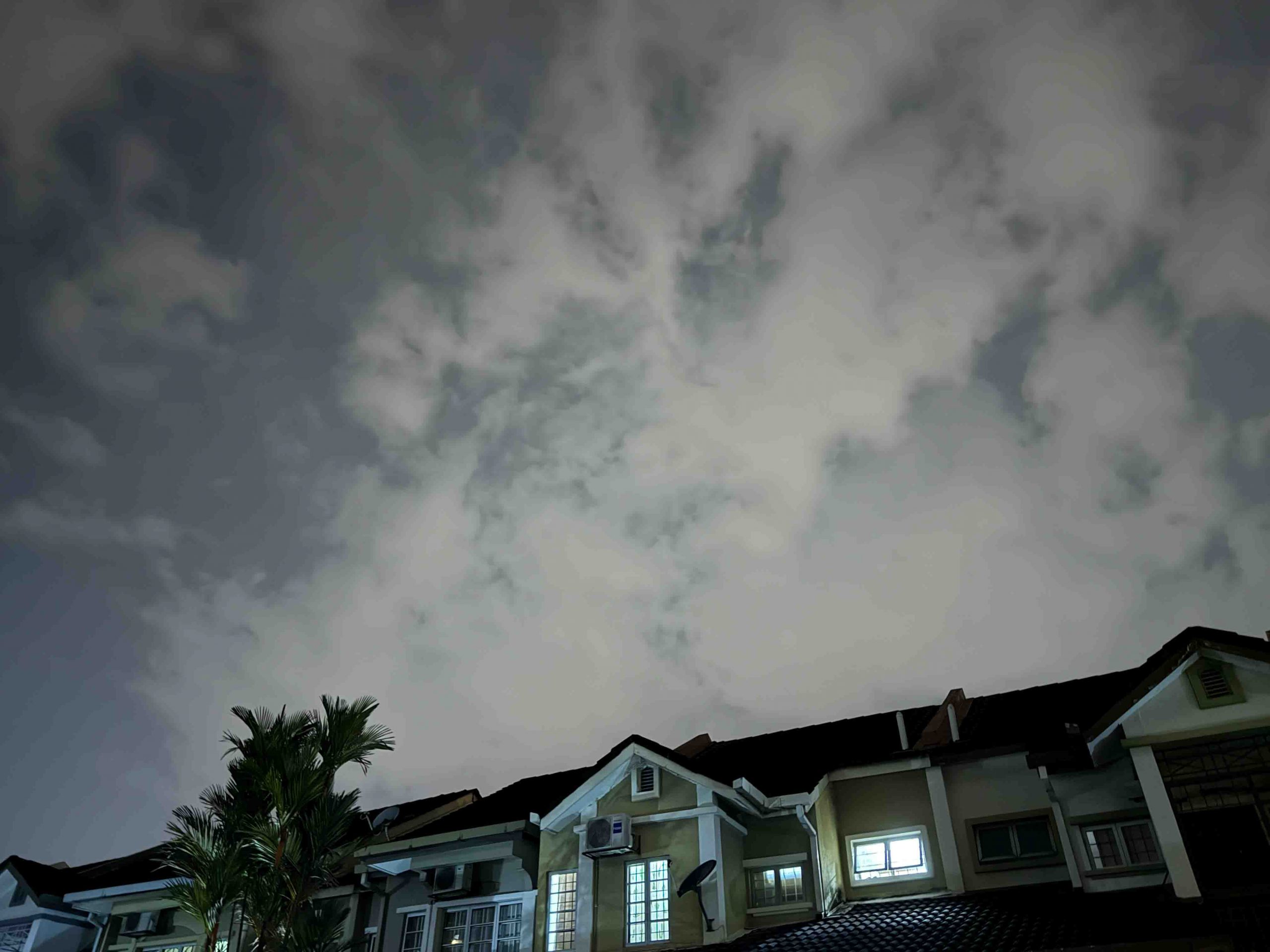
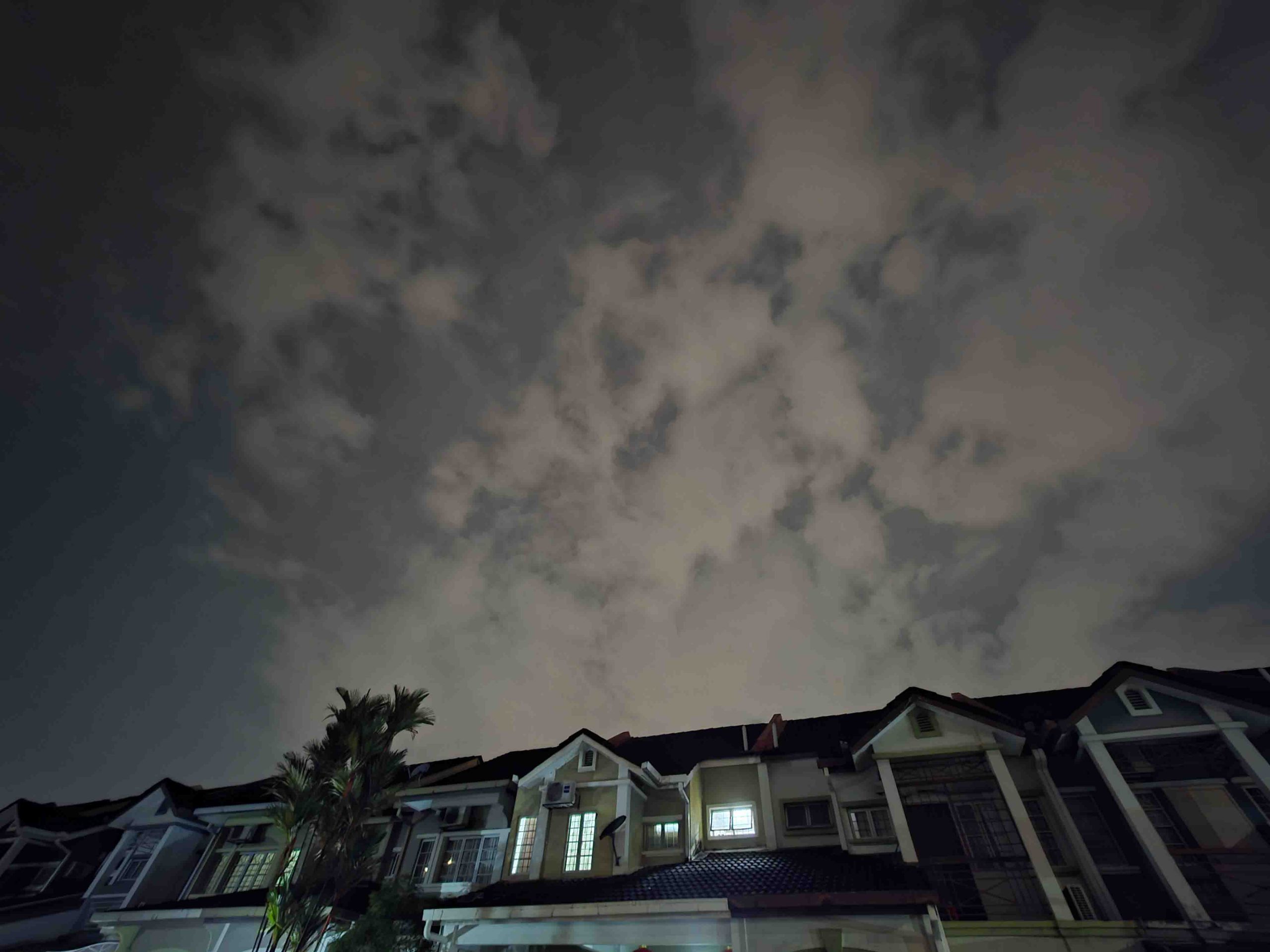
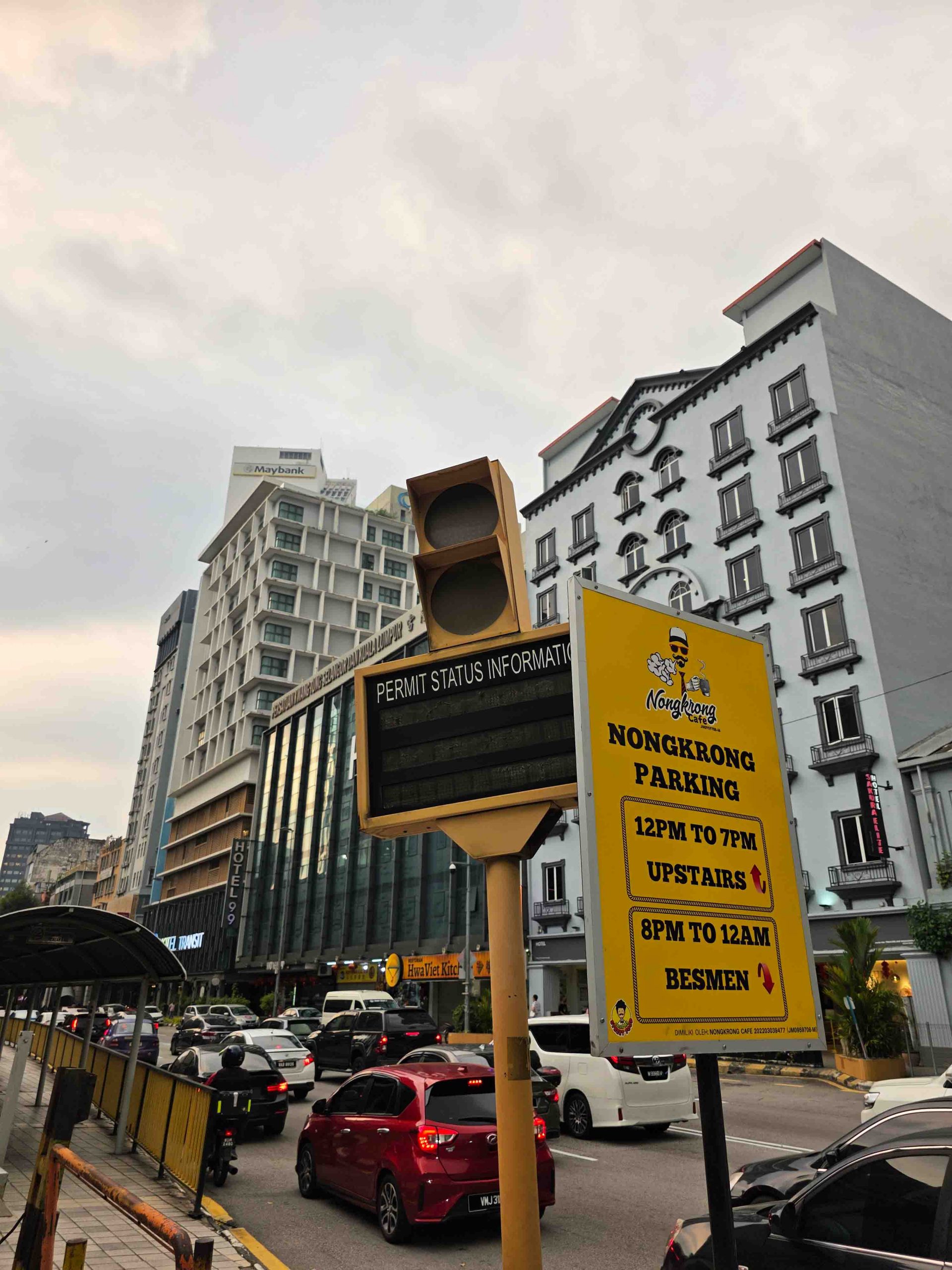
Now, for those of you who wonder how it performs against Apple’s best, the iPhone 16 Pro Max, here’s what I’ve learnt after putting these two phones through a brief photography test.
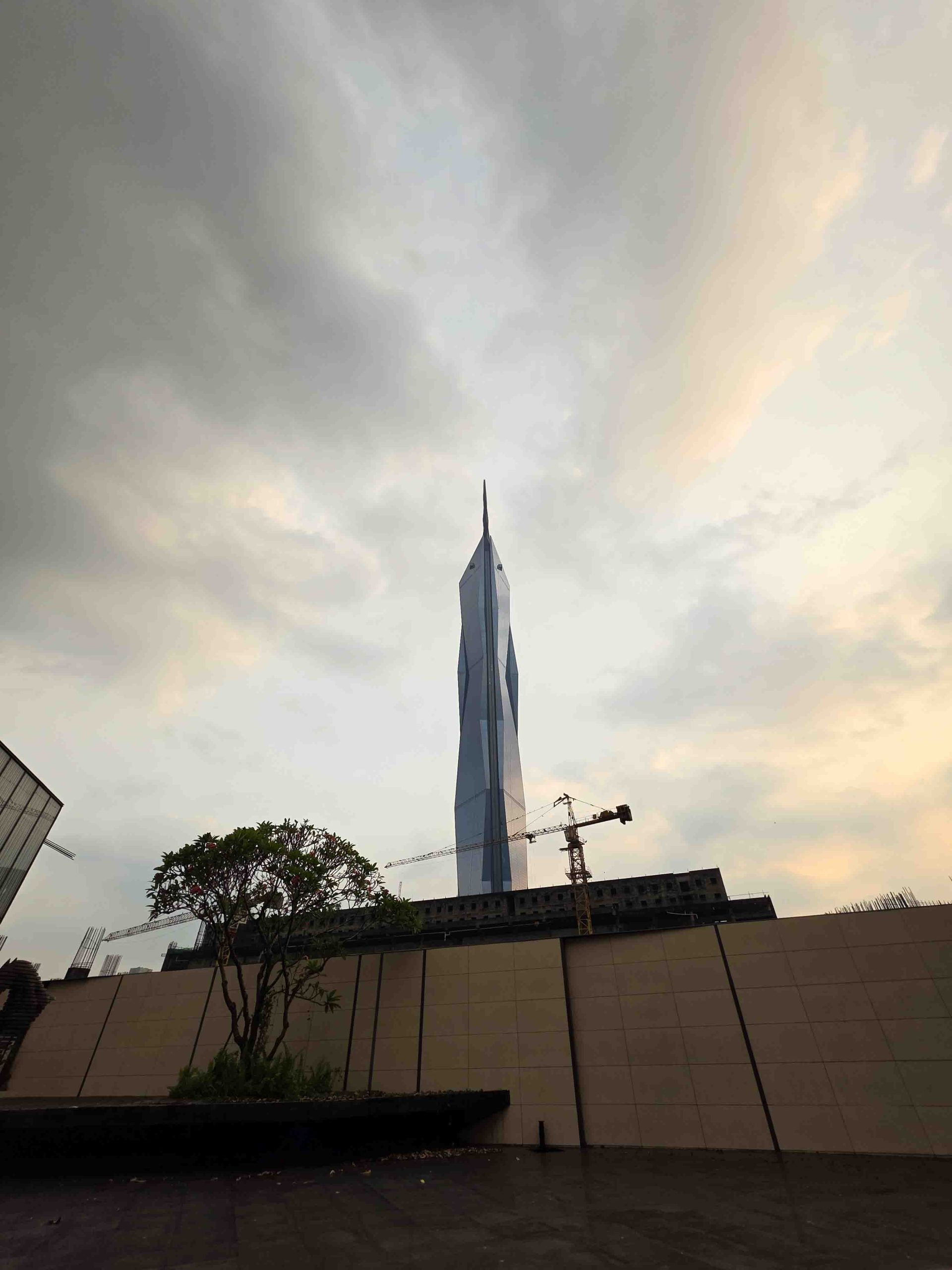
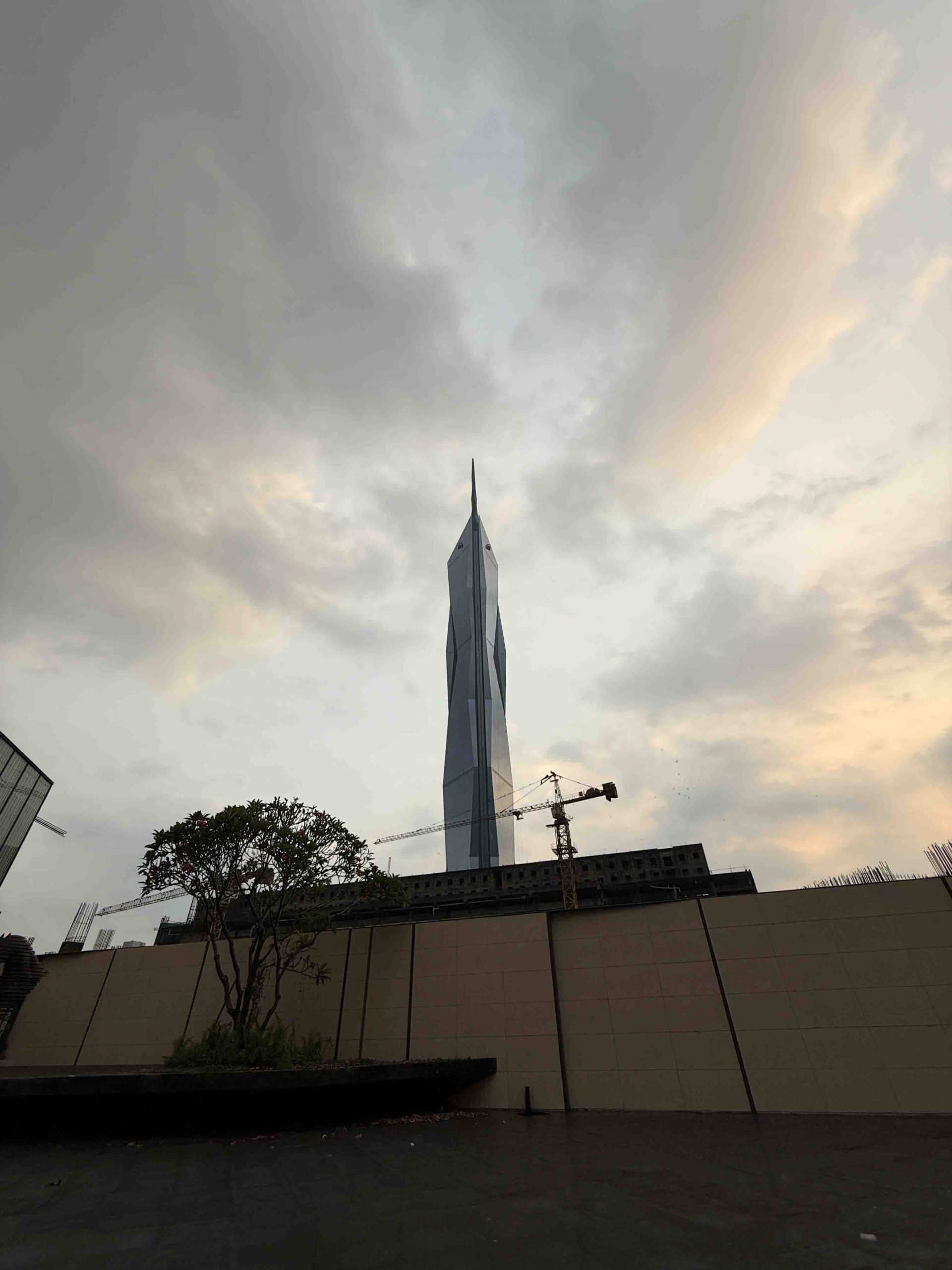
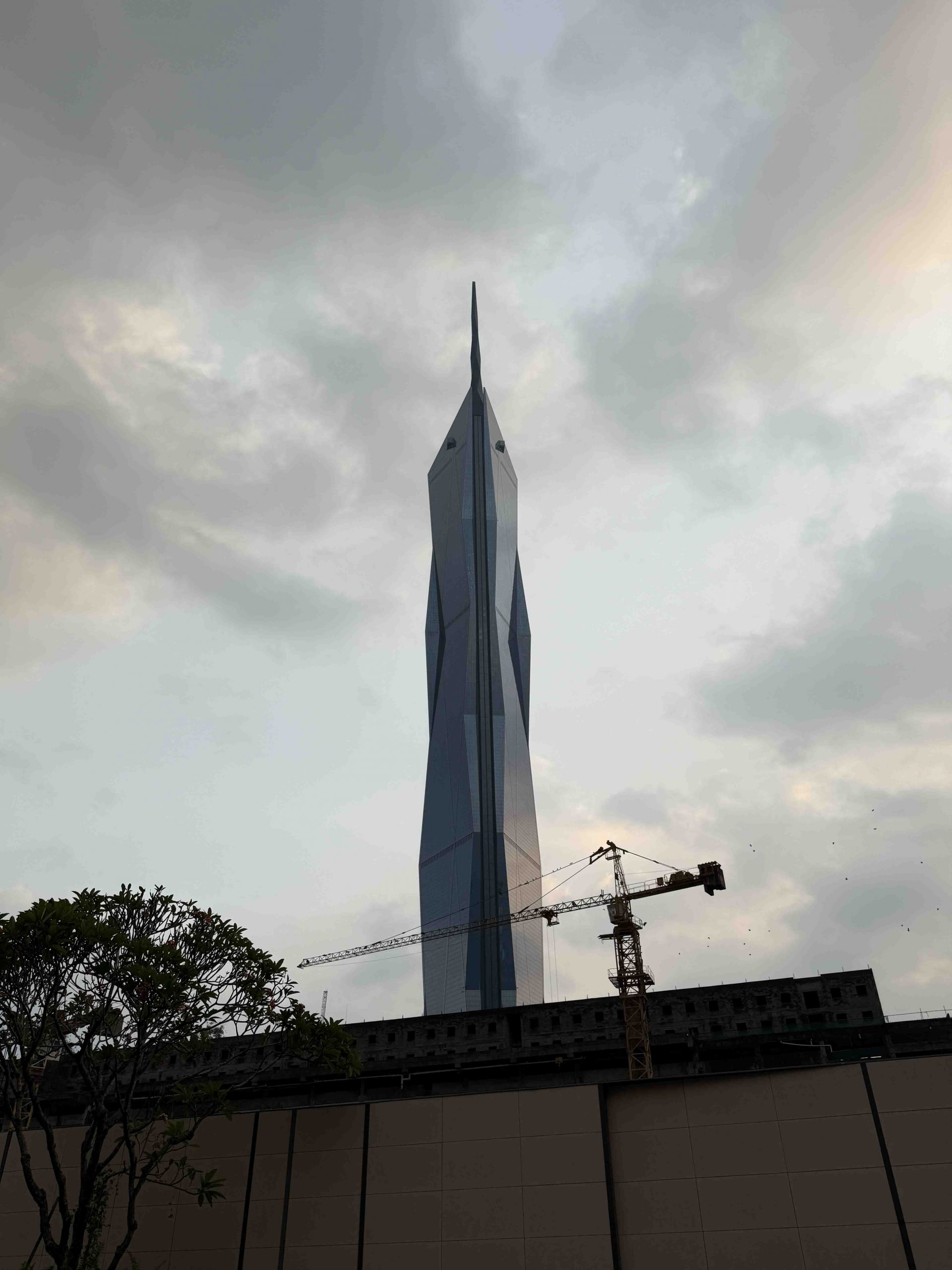
First off, I noticed that photos taken using the Fruit Phone tend to be brighter, and darker parts of the image are better preserved during high dynamic range situations. However, the Galaxy S25 Ultra’s images are more saturated and contrasty. Upon cropping in, the Samsung also delivered better details, most likely thanks to AI enhancements.
The same also happened to photos taken using the periscope telephoto lens. The Samsung is the better performer at delivering more details, most probably thanks to its higher resolution 50MP periscope telephoto camera unit, as compared to the fruit brand’s 12MP. At the end of the day, it’s down to your personal preference on which phone captures photos that look better to your eyes. But if capturing super faraway subjects is what you do often, you will be glad to know that the Galaxy S25 Ultra is able to zoom all the way to 100x, while the iPhone tops out at 25x.