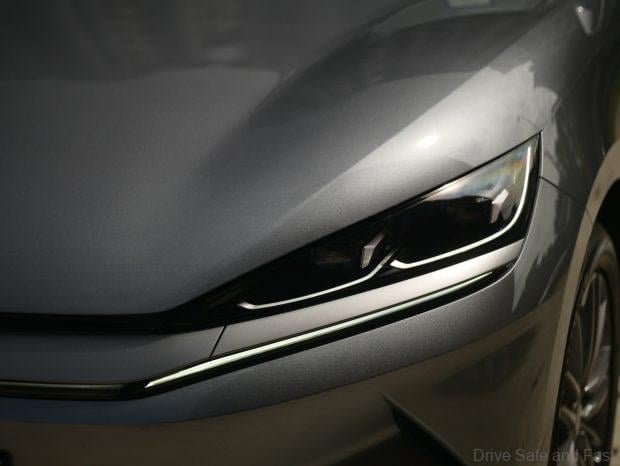
More than a year since its introduction to Malaysia, the BYD Seal 6 still stands as the only viable affordable electric sedan here.
Electric vehicles are getting more and more popular as more models get below the RM100,000 mark, but we’re surprised at how few sedan options there are in the market. We already talked about the Aion ES, which we liked for how simple and straightforward it was. Unfortunately, the ES also came across as very unambitious and a little cheap feeling in places. So, in the last year it seems like only the BYD Seal 6 has stood as a viable entry point for electric buyers who prefer the 3-box shape.
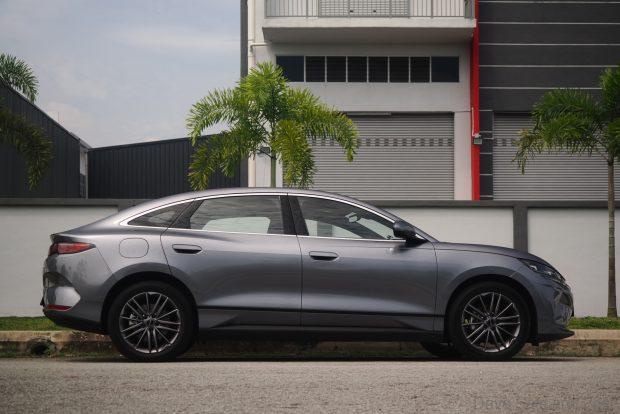
While characterized as a “master of none” that lacks standout dominance in any single category, it succeeds by avoiding glaring errors, creating a sensible and well-rounded stepping stone for drivers looking to move up from standard B-segment sedans like the Toyota Vios or Honda City without venturing into exorbitant price territory.
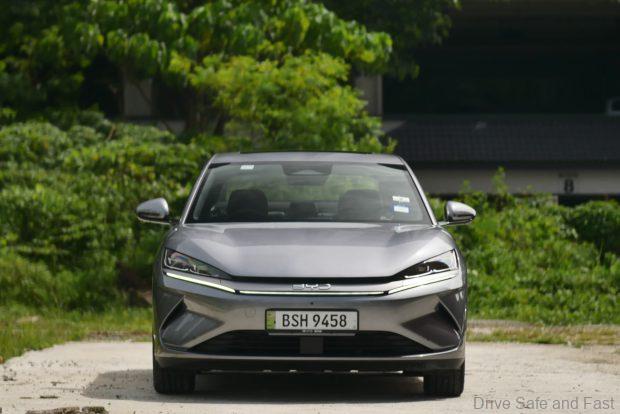
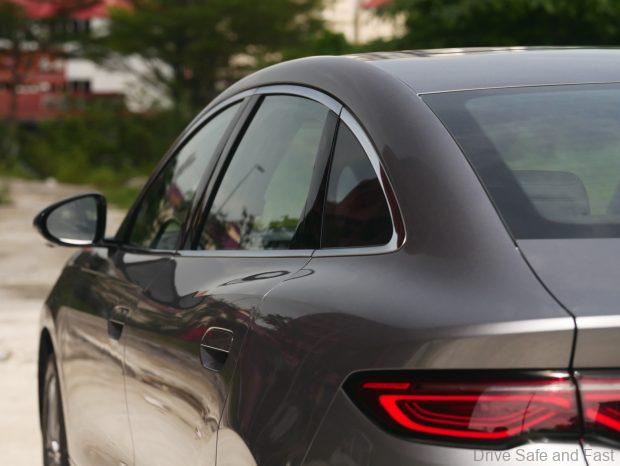
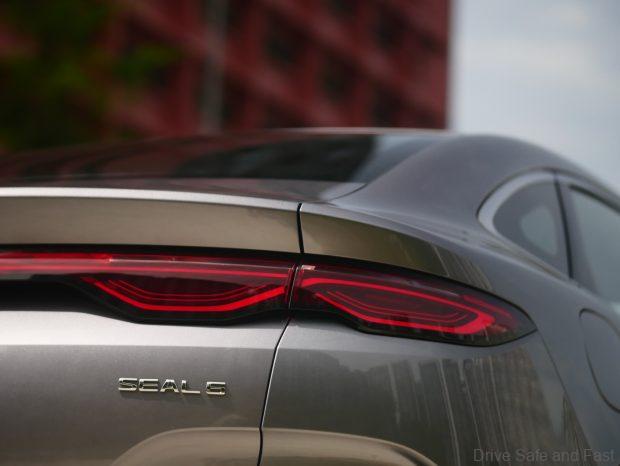
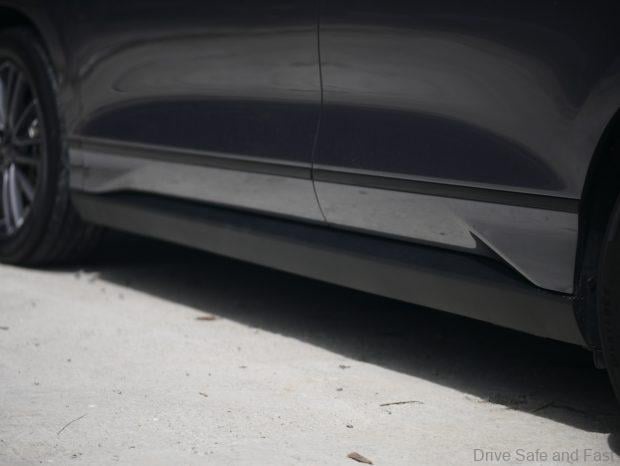
In terms of exterior styling, the Seal 6 departs significantly from the original BYD Seal by discarding overt nautical gimmicks such as fender gills and eccentric accents in favor of a handsome, mature, and restrained silhouette. This subdued styling caters directly to more conservative four-door sedan buyers who prioritize understated design.
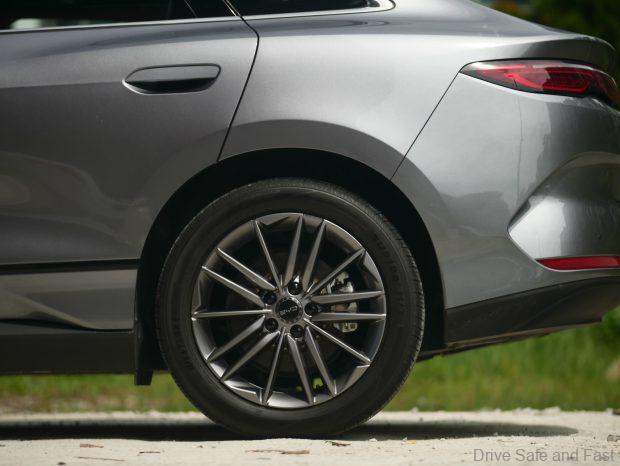
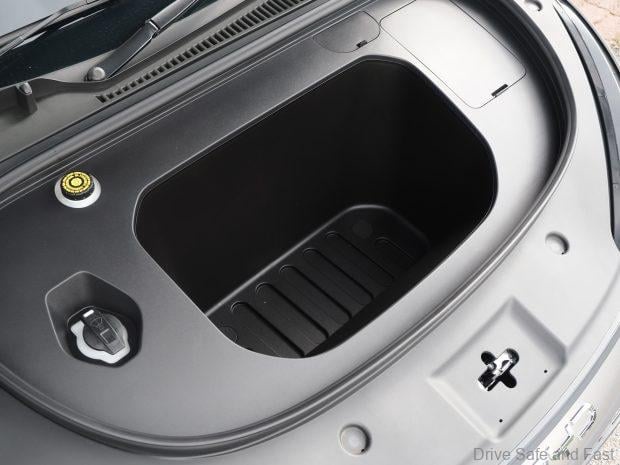
The exterior package is completed with 18-inch wheels finished in gray that complement darker and silver paint finishes, alongside practical engineering that includes a BMW-style double-pull bonnet release revealing a dedicated frunk suited for charging cables.
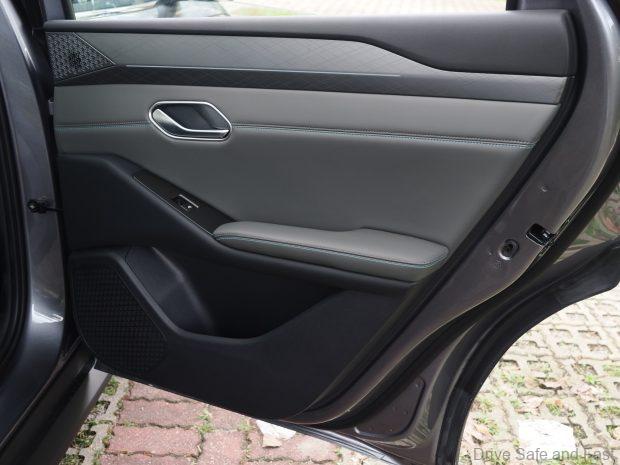
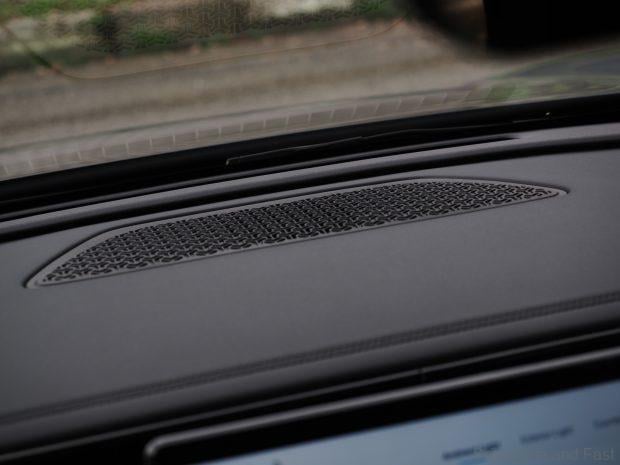
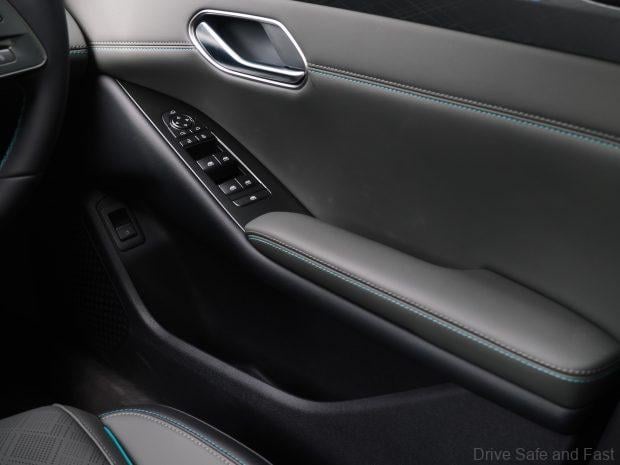
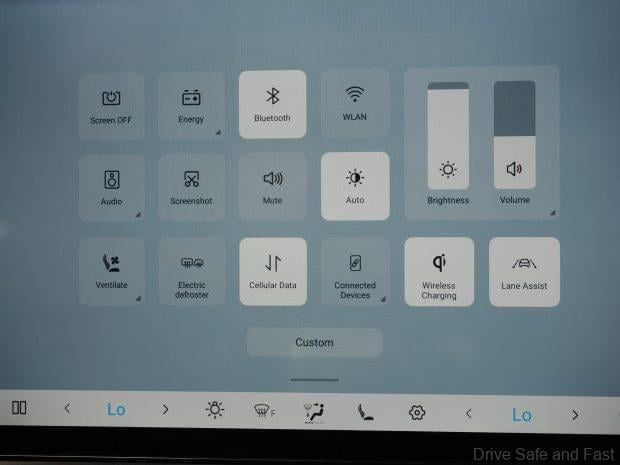
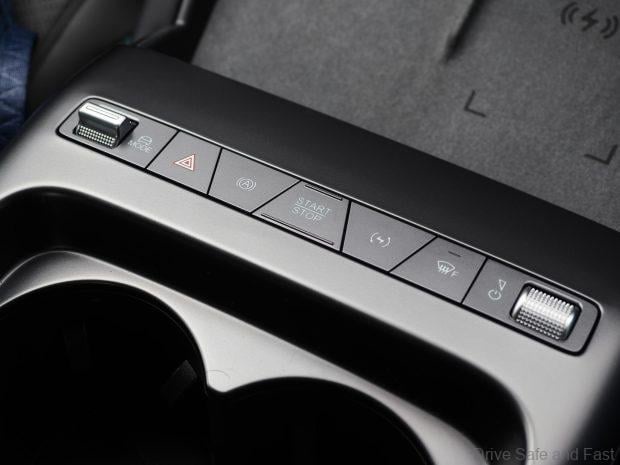
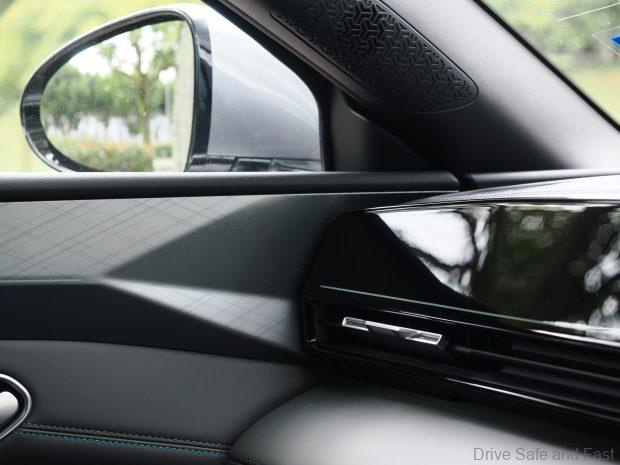
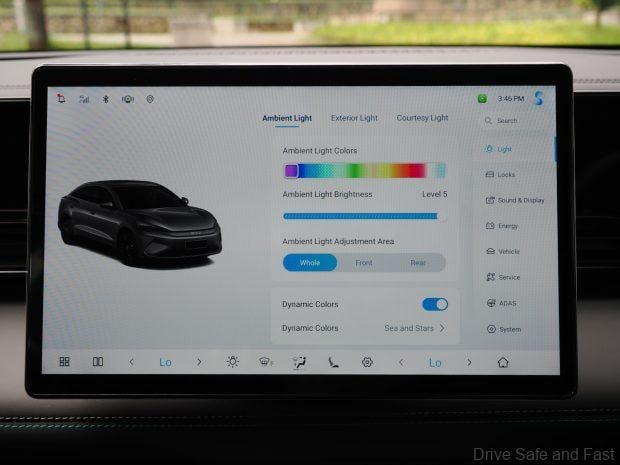
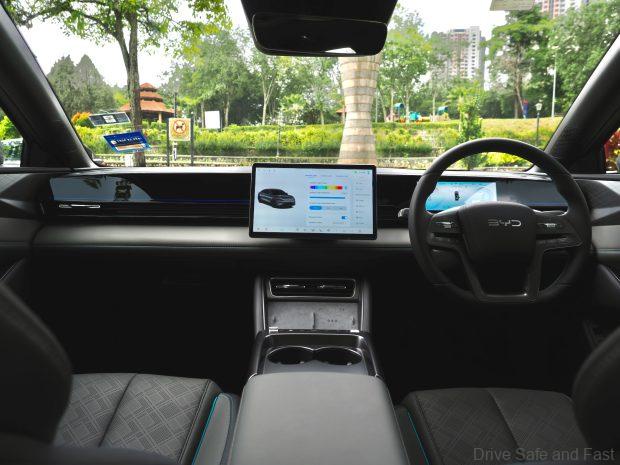
Moving into the cabin, ergonomics are generally sound, highlighted by the welcome inclusion of physical air-conditioning vents rather than screen-buried toggles. Available in just two specifications, the standard equipment list at RM 100,000 is comprehensive enough, but you’ll want to spend a little extra for the whole shebang.
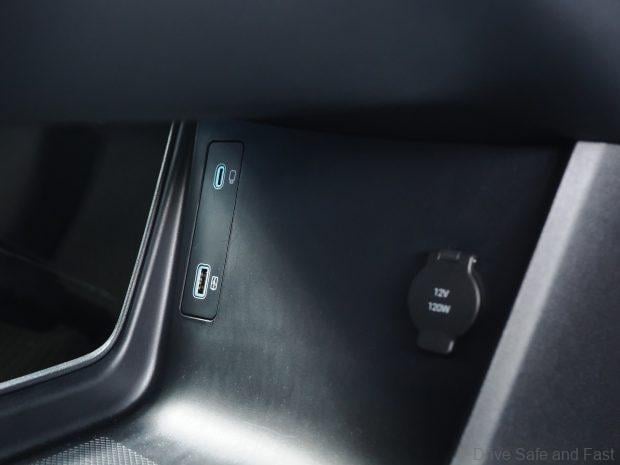
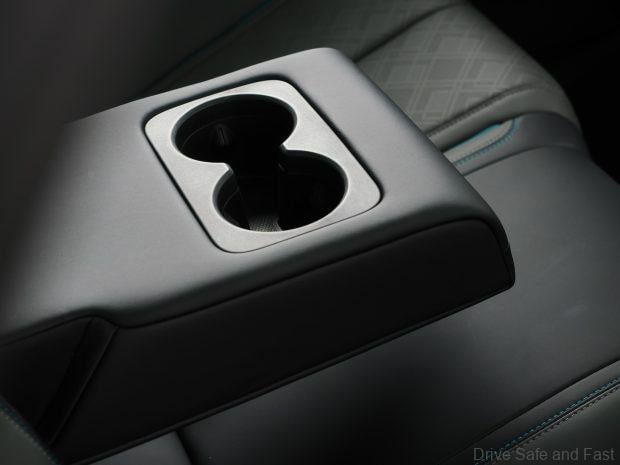
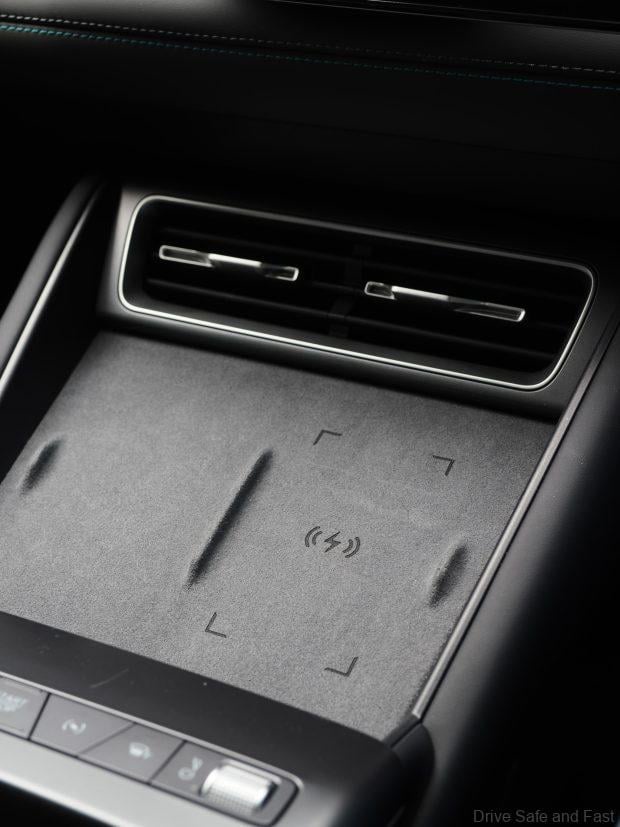
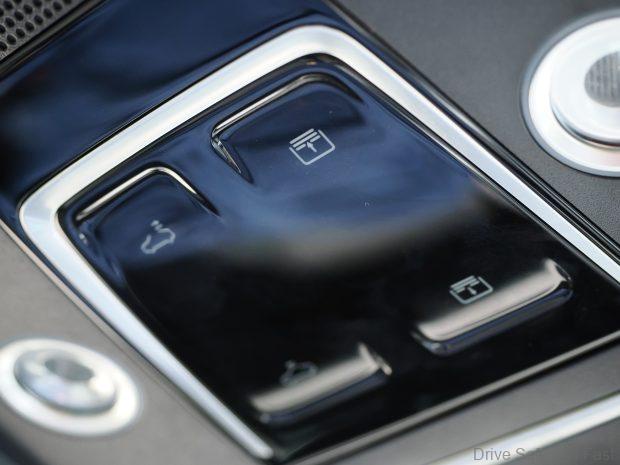
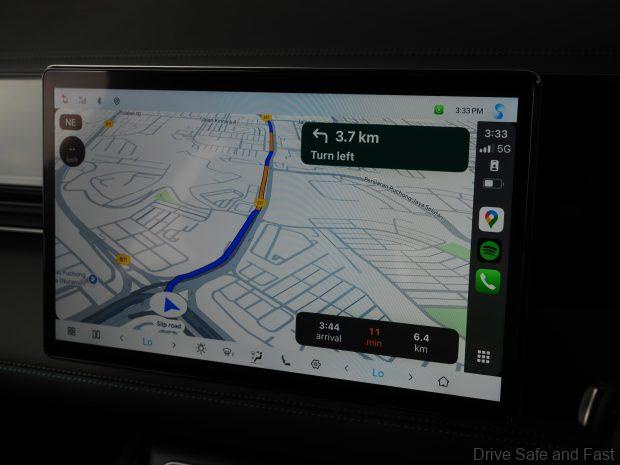
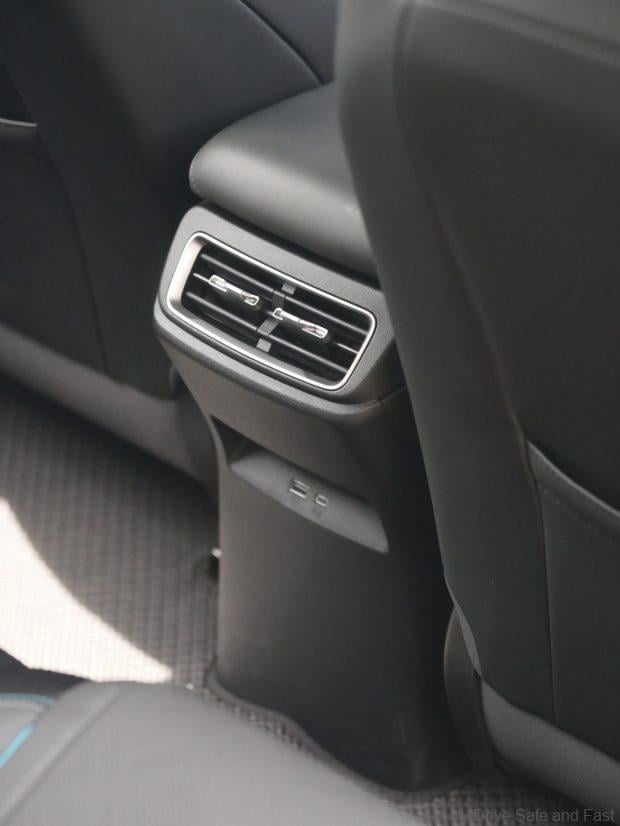
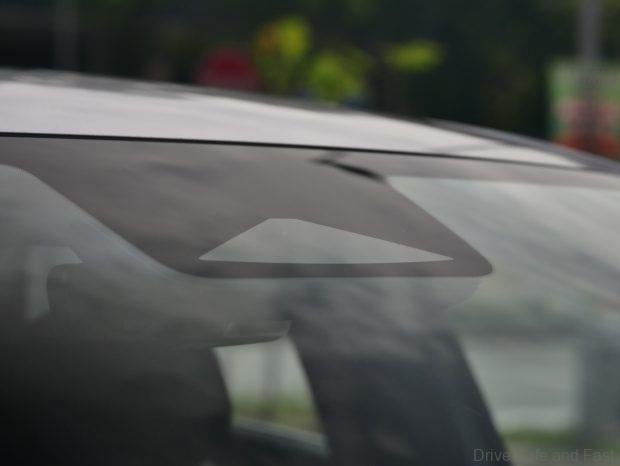
You’ll get an expansive panoramic sunroof, wired and wireless smartphone connectivity via Apple CarPlay and Android Auto, wireless device charging, USB-A and USB-C connectivity in both rows, adjustable drive modes and regenerative braking, and an Advanced Driver Assistance Systems (ADAS) suite.
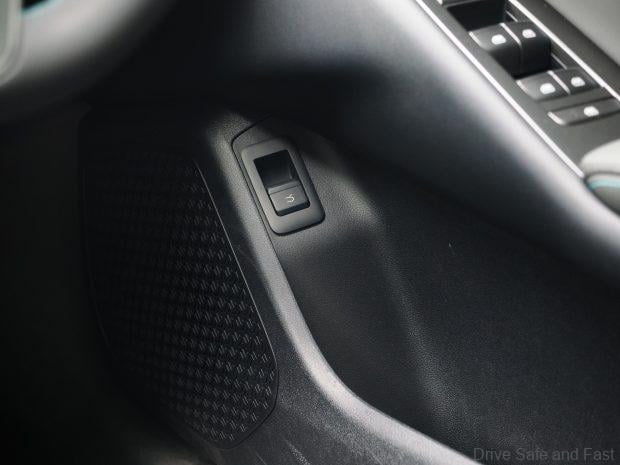
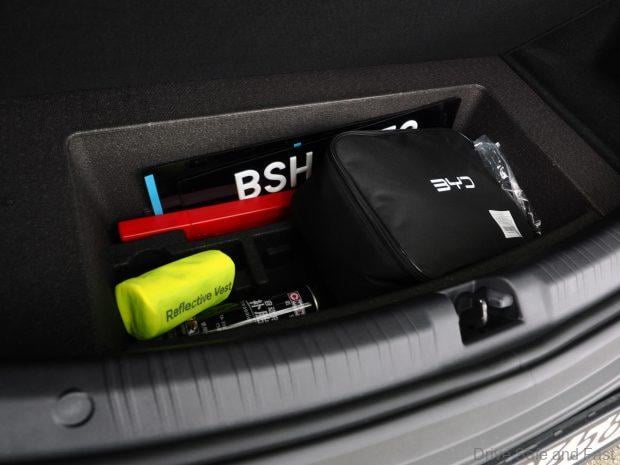
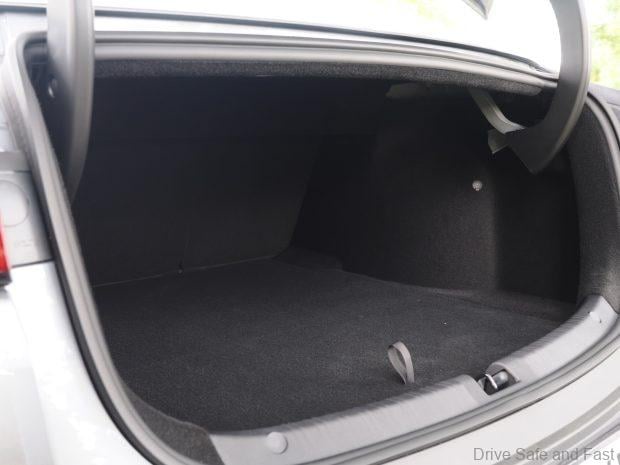
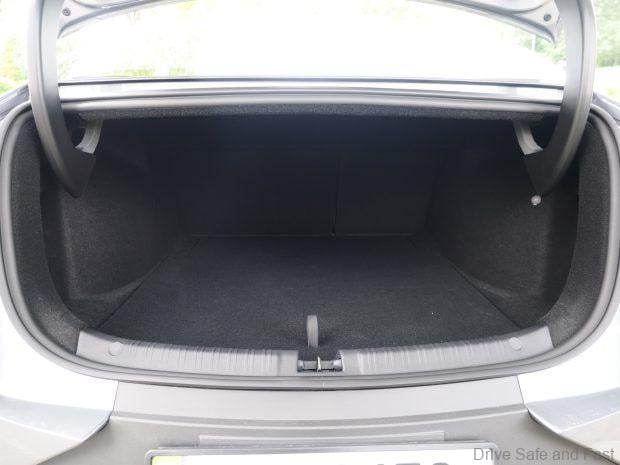
The rear boot provides dedicated underfloor cable storage, although it lacks a powered tailgate and suffers from a high loading lip paired with a narrow opening. Another oversight includes the omission of blind spot monitoring and it’s worth noting that the air-conditioning unit blows lukewarm air for the first three to four minutes after startup before delivering cold air.
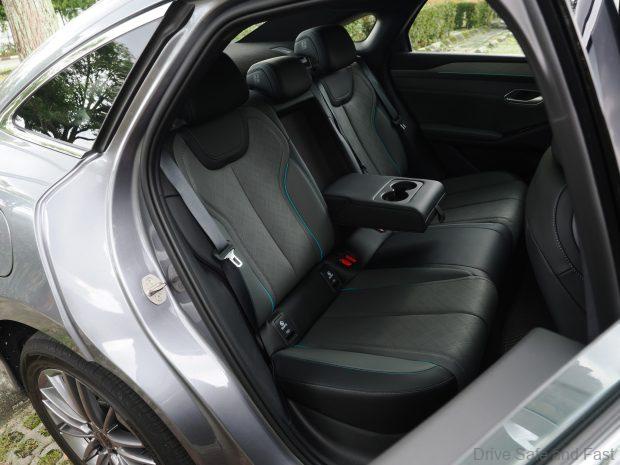
Passenger packaging presents the most noticeable physical compromise. Despite looking considerably larger than typical compact sedans from the outside, the underfloor battery pack pushes the floor upward.
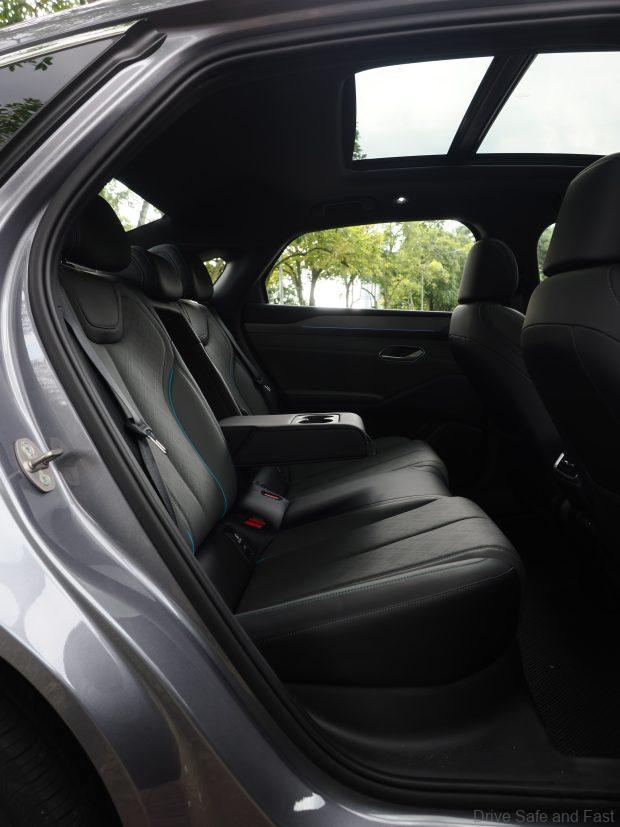
For taller occupants around six feet, rear-seat thigh support is largely absent, leaving knees pressed against the front backrest and creating a somewhat cramped seating posture despite adequate headroom. That being said, for smaller occupants, the Seal 6 is a massive upgrade over what’s available from similarly priced ICE-powered B-segment sedans.
On the move, ride comfort stands out as the car’s primary asset. The suspension absorbs severe potholes, patchwork surfaces, and uneven road imperfections with impressive compliance, floating smoothly over speed bumps even when taken at speeds between 50 and 60 km/h. This soft, comfort-oriented tuning suits rough road surfaces far better than a stiff, overly firm setup.
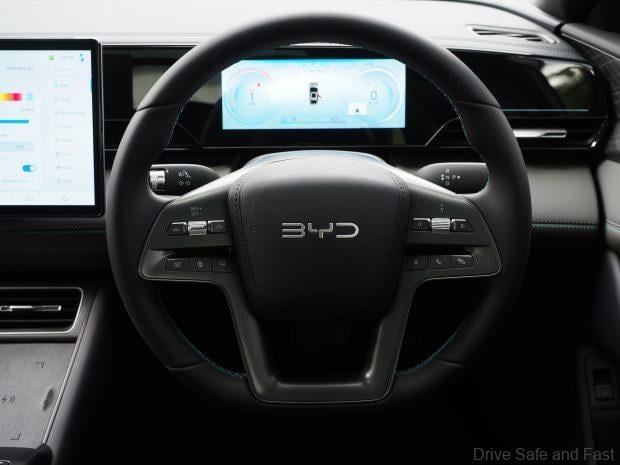
However, that plush damping compromises handling balance at highway speeds. While the steering is effortless and feather-light in urban maneuvering, it becomes overly sensitive at speed . The chassis tends to lean and roll before actually rotating into a turn, creating an unnatural, disconnected sensation during fast lane changes or when traversing road cambers. This behavior demands deliberate micro-corrections and restraint from the driver rather than encouraging dynamic cornering.
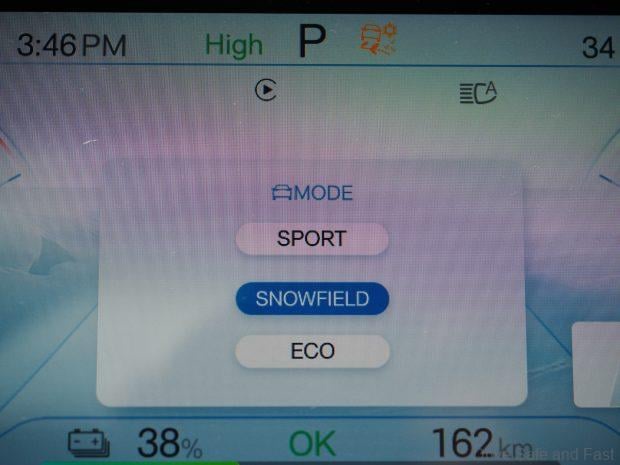
Powertrain performance and energy efficiency remain more than adequate for everyday motoring. The Seal 6 accelerates briskly up to the legal speed limit of 110 km/h and sustains highway cruising up to 140 km/h comfortably before running out of punch. Multi-day testing demonstrated reliable driving range—retaining roughly 50 percent charge with 200 km remaining after extensive commuting —though cruising at higher speeds predictably accelerates battery depletion on its LFP pack.
Ultimately, while the Seal 6 contends with crowded internal and external competition at the RM 100,000-120,000 mark, it delivers substantial refinement, quiet operation, and generous standard equipment that make it a compelling, comfortable EV alternative to traditional internal combustion sedans. Whether it can convince electric crossover buyers at the same price is still doubtful, though. Those things tend to be much better packaged.
BYD Seal 6 Dynamic Specifications
- Powertrain: Single Motor Rear-Wheel Drive (RWD)
- Horsepower / Torque: Up to 215 hp (218 PS / 160 kW) / 330 Nm
- 0–100 km/h: 7.5 seconds
- Battery Capacity: 56.64 kWh BYD Blade Battery (LFP)
- Estimated Range: Up to 485 km (NEDC) / ~410 km (WLTP)
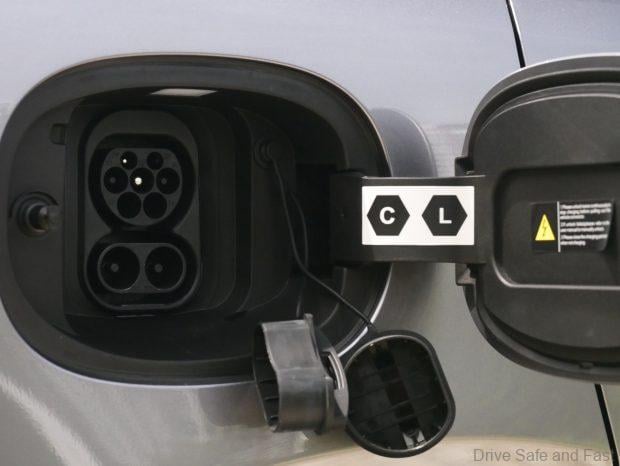
- Charging Speed: 7kW AC, 100kW DC Fast Charging
- Price: RM115,800