Health Matters | A community pharmacist’s perspective
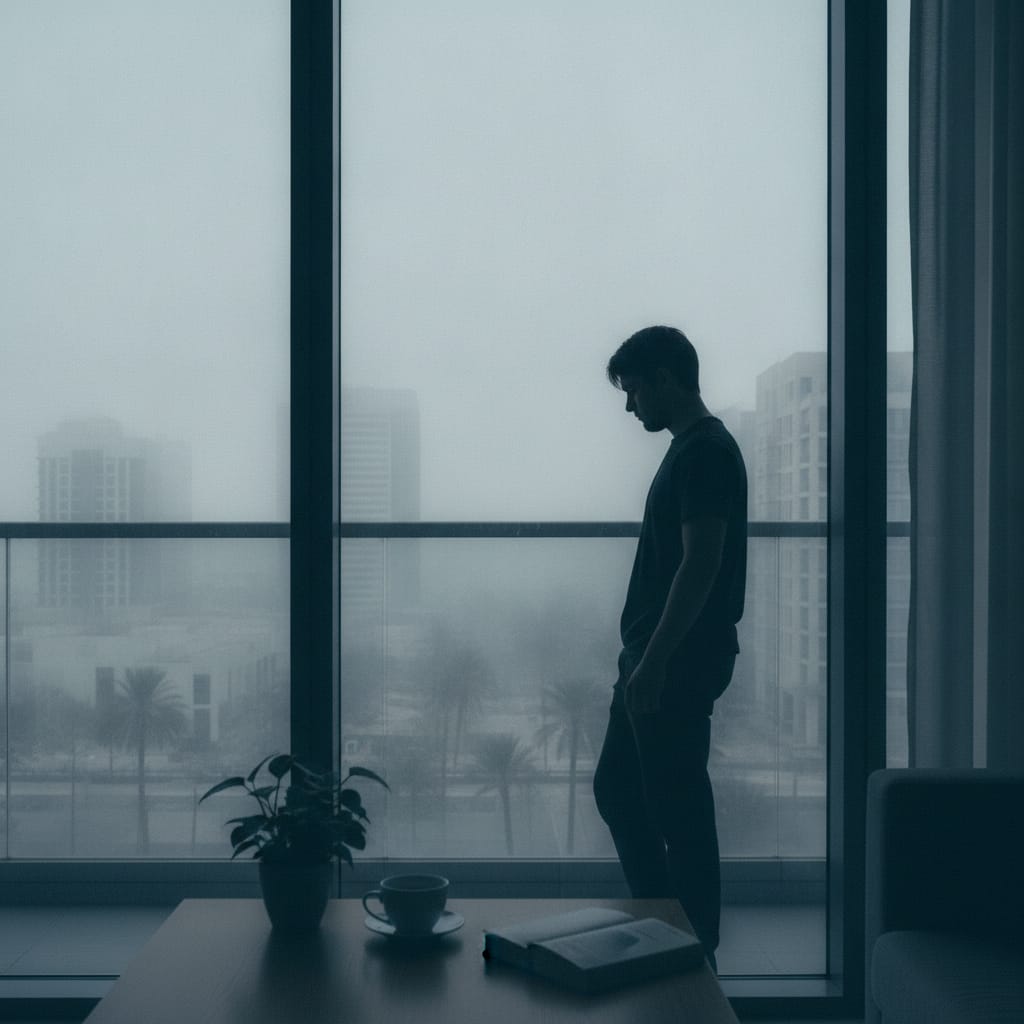
If you have looked outside recently and noticed a grey, hazy sky instead of Malaysia’s usual bright sunshine, you may have felt like staying indoors. Perhaps you have been feeling unusually tired, irritable or lacking motivation. Some people may even find that their sleep and mood have changed.
With haze affecting parts of Malaysia, it is worth asking an interesting question: Can the haze trigger Seasonal Affective Disorder (SAD), or is something else responsible for how we feel?
As a community pharmacist, I think it is important to understand the difference. Haze is not just an inconvenience to our lungs and eyes. Research suggests that air pollution may also be associated with mental health problems. However, we should not automatically label every spell of low mood during hazy weather as SAD.
What exactly is Seasonal Affective Disorder?
Seasonal Affective Disorder, commonly known as SAD, is a type of depression in which symptoms follow a seasonal pattern. It most commonly develops during autumn and winter in countries where daylight hours become considerably shorter.
People affected may experience persistent sadness, loss of interest in activities they normally enjoy, tiredness, difficulty concentrating, increased appetite and a tendency to sleep more than usual. Some may withdraw from friends and family because they lack the energy or motivation to socialise.
The condition is thought to be linked to changes in daylight exposure, which can affect the body’s internal clock, sleep patterns and brain chemicals involved in regulating mood.
According to the UK National Health Service (NHS), SAD is usually associated with winter, and a diagnosis may be considered when depressive symptoms recur at a particular time of year over two or more years.
This raises an important point for Malaysians. Our country is close to the equator, where daylight hours remain relatively consistent throughout the year. We do not experience the dramatic shortening of winter days seen in the United Kingdom or northern Europe.
That makes the typical winter pattern of SAD less directly applicable to Malaysia, although it does not mean that Malaysians cannot experience SAD or other forms of depression.
Can haze trigger SAD in Malaysia?
The short answer is that there is no strong evidence that haze itself directly causes SAD.
However, there are several plausible ways in which hazy weather could affect our mood and well-being.
First, thick haze can reduce the amount of sunlight reaching the ground. If someone spends prolonged periods indoors because of poor air quality, their exposure to natural daylight may fall further. Daylight helps regulate our circadian rhythm, the body’s internal 24-hour clock, which influences when we feel awake and when we become sleepy.
Second, haze can disrupt our normal routines. Outdoor exercise may become difficult or unsafe, children may have fewer opportunities to play outside, and adults may cancel walks, social activities or visits with friends.
For someone who already struggles with anxiety, depression or poor sleep, these disruptions may contribute to feeling worse.
Third, air pollution itself may play a role. Fine particles, particularly PM2.5, are small enough to penetrate deep into the lungs. Researchers have also investigated possible links between exposure to air pollution and depression or anxiety.
A systematic review and meta-analysis published in Environment Research in 2026 found associations between air pollution exposure and increased risks of depression and anxiety. However, the researchers also highlighted limitations in the available evidence, including differences between studies and uncertainty about the strength of some associations.
You can read the research here: Effects of environmental air pollution on anxiety and depression in adults — PubMed.
These findings are important, but they do not prove that the current Malaysian haze will cause depression in any particular individual. Nor do they establish that haze causes SAD specifically.
Why might you feel low during the haze?
Imagine someone who normally starts the morning with a walk, enjoys lunch outdoors and meets friends after work. When the haze becomes severe, outdoor activities may have to stop. The person spends more time indoors, exercises less and sees less of the daylight.
After several days, they may begin to feel sluggish, restless or less cheerful.
There may be several explanations. Reduced activity can affect energy levels and sleep. Worry about the health effects of pollution can create stress. Poor sleep, respiratory symptoms and changes in daily routine may also contribute to fatigue and irritability.
These effects can overlap with symptoms of depression, but they do not necessarily indicate a depressive disorder.
It is also important to recognise that people respond differently. Someone with an existing mental health condition may be more vulnerable to changes in routine, while another person may notice little change in mood.
The sensible approach is to recognise the symptoms without jumping to a diagnosis.
What can Malaysians do to protect their mood during hazy weather?
We should not compromise our respiratory health in an attempt to get more sunshine or exercise outdoors. Instead, the aim is to maintain a healthy routine while limiting exposure to polluted air.
1. Check the air quality before going outside.
Use Malaysia’s official Air Pollutant Index Management System (APIMS) to check local readings. The severity of haze varies between locations and throughout the day. If readings are unhealthy, reduce prolonged or strenuous outdoor activity, particularly if you have asthma, heart disease or another condition that makes you more vulnerable.
2. Maintain physical activity indoors.
If outdoor walking or jogging is not advisable, consider indoor walking, gentle stretching or home-based exercise. Avoid exercising in places where outdoor air is entering freely or where indoor air quality is poor.
3. Get natural daylight safely.
Try to spend some time in a bright indoor environment during the day. Open curtains and sit near a window where practical. When outdoor air quality improves, resume outdoor daylight exposure when it is safe to do so.
There is no need to expose yourself to unhealthy air simply to obtain sunlight.
4. Keep sleep and meal times regular.
Going to bed and waking up at consistent times can help maintain the body’s internal clock. Eat regular, balanced meals and avoid relying on excessive caffeine to overcome tiredness, particularly later in the day.
5. Stay socially connected.
If haze prevents you from meeting friends or family, a phone call or video chat can help maintain social contact. Keeping up with enjoyable indoor activities can also help prevent your routine from becoming unnecessarily restrictive.
Should you buy a SAD lamp or take supplements?
This is where a pharmacist’s advice can be useful.
Light therapy, using a specially designed bright-light box, is one of the treatments used for SAD, particularly where symptoms are linked to reduced winter daylight. However, a SAD lamp is not a proven treatment for haze-related low mood, and there is no established evidence that Malaysians should routinely use one simply because the sky is hazy.
If you have persistent depressive symptoms, speak to a doctor before purchasing a light box. Light therapy may not be suitable for everyone, including some people with particular eye conditions or those taking medicines that increase sensitivity to light.
Vitamin D supplements are another common question. Although vitamin D is essential for bone health and deficiency should be addressed, taking additional vitamin D is not an established treatment for haze-related mood changes unless there is an appropriate clinical reason. Avoid spending money on supplements marketed as cures for SAD without good supporting evidence.
If symptoms are persistent or severe, established treatments for depression may include psychological therapies and medication, depending on the individual’s circumstances.
The NHS provides further information about SAD symptoms and treatment.
When should you seek help?
Feeling fed up with the haze for a few days is understandable. However, do not dismiss persistent low mood as merely a reaction to the weather.
If sadness, loss of interest, sleep disturbance, anxiety or fatigue continues for two weeks or longer, interferes with daily life or progressively worsens, arrange a medical assessment. A doctor can assess whether the symptoms relate to depression, sleep problems, physical illness or other causes.
If you experience thoughts of suicide or self-harm, seek urgent help rather than waiting for the haze to clear.
My final thoughts as a pharmacist
Malaysia’s haze can affect more than our breathing. It can interrupt exercise, reduce opportunities for outdoor activity, disturb routines and potentially contribute to poorer mental well-being.
But we need to distinguish between a possible effect of air pollution on mood and Seasonal Affective Disorder, which is more specifically associated with recurring seasonal changes, particularly reduced daylight.
The important message is this: haze may contribute to feeling low, but that does not automatically mean you have SAD.
Protect your lungs, maintain your routine, stay connected with others and pay attention to changes in your mood. If those changes persist, seek professional advice rather than simply waiting for blue skies to return.
Until next time, take care of your health — both physical and mental.
Health Matters (zaynp100@yahoo.com) is a content creator under the Newswav Creator programme, where you get to express yourself, be a citizen journalist, and at the same time monetize your content & reach millions of users on Newswav. Log in to creator.newswav.com and become a Newswav Creator now!
The User Content (as defined on Newswav Terms of Use) above including the views expressed and media (pictures, videos, citations etc) were submitted & posted by the author. Newswav is solely an aggregation platform that hosts the User Content. If you have any questions about the content, copyright or other issues of the work, please contact creator@newswav.com.