
Imagine this: You’re living in a world where energy bills keep rising, and clean water is harder to come by. Every day, you're more concerned about the future. Will there be enough energy to power your home? Will clean water remain accessible? These are not just hypothetical scenarios — they’re very real concerns as we grapple with climate change and resource scarcity.
In recent years, Malaysia has shown strong dedication to ensuring the sustainability of its energy resources and water management systems.
Kementerian Peralihan Tenaga dan Transformasi Air (PETRA) is working diligently on two critical fronts: transitioning to cleaner energy and transforming the way we manage our water resources.
1. Energy Transition: Shifting to Clean, Sustainable Energy
The reliance on fossil fuels like coal and gas has long been unsustainable, and the effects of climate change are becoming more apparent every day.
The Malaysian government has committed to a long-term energy transition strategy that focuses on reducing reliance on fossil fuels and boosting the integration of renewable energy (RE) sources. Here's how the country is planning to achieve this:
a) Increased Renewable Energy Capacity
Guided by the Dasar Tenaga Negara (2022-2040), Malaysia aims to achieve net-zero carbon emissions by 2050. The government has set ambitious targets to increase the share of renewable energy in the national energy mix, with the goal of reaching:
- 31% by 2025,
- 40% by 2035, and
- 70% by 2050.
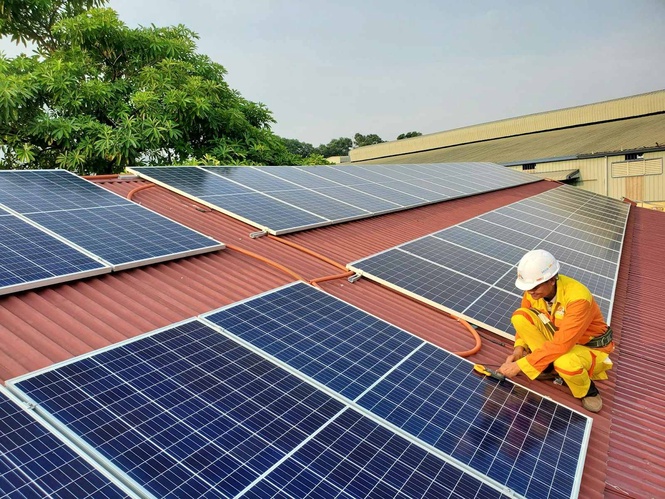
This shift will involve the use of solar, hydro, biomass, and biogas energy sources, reducing the nation's dependence on fossil fuels.
b) Renewable Energy Programs
To accelerate the adoption of clean energy, Malaysia has introduced several impactful programs:
- Feed-In Tariff (FiT): Encourages developers to build renewable energy plants by letting them sell the electricity at a premium price to utility companies.
- Net Energy Metering (NEM): Want to power your home with solar energy? You can, and if there’s extra energy, you can send it back to the national grid, saving on your bill.
- Large Scale Solar (LSS) Projects: Developers can bid for large-scale solar projects, helping to significantly increase the country’s renewable energy output.
- Corporate Green Power Programme (CGPP): A virtual power purchase agreement (VPPA) mechanism enabling corporate entities to procure renewable energy directly from developers.
c) Energy Efficiency Programs
Energy isn’t just about how much we generate — it’s also about how much we use. That’s where energy efficiency comes in. The government is pushing for more efficient use of energy, from homes to industries, and it’s already making a difference.
Through programs like the National Energy Efficiency Action Plan (NEEAP) 2016-2025 and initiatives like energy audits for buildings, Malaysia is set to reduce electricity consumption by 8% by 2025. Small changes today, like choosing energy-efficient appliances or designing green buildings, will save the country billions and reduce carbon emissions.
The Energy Efficiency and Conservation Act (Akta Kecekapan dan Konservasi Tenaga), passed in 2024, further strengthens this initiative by regulating energy usage and promoting conservation efforts across the country. The anticipated savings in energy consumption could amount to RM97.1 billion by 2050, along with a significant reduction in carbon emissions.
2. Water Transformation: Ensuring Clean Water for All
Water security is another critical aspect of Malaysia’s sustainability drive. The government is focused on improving water management to ensure everyone, no matter where they live, has access to clean, safe water.
a) Upgrading Water Treatment Plants
Efforts are underway to modernise existing water treatment plants and build new, more efficient ones. These upgraded facilities will incorporate the latest technologies to reduce water wastage and improve the quality of treated water.
b) Reducing Non-Revenue Water (NRW)
Non-Revenue Water (NRW) refers to water that is produced but not billed due to leaks, theft, or metering inaccuracies. Currently, 35% of Malaysia’s water supply is lost before it even reaches homes, but the goal is to bring this down to 25% by 2030. This is being achieved by:
- Replacing old and leaking water pipes,
- Implementing advanced leak detection technology, and
- Improving water management systems.
c) Developing New Dams and Catchment Areas
To ensure a steady water supply, especially in drought-prone regions, the government is investing in the development of new dams and water catchment areas. These projects aim to secure water resources for both urban and rural populations.
d) Alternative Water Sources
Recognizing the need for diversified water sources, Malaysia is exploring the use of groundwater as a reliable alternative. Studies and projects are underway to tap into groundwater resources, providing a buffer against surface water shortages.
e) Partnerships for Sustainable Water Management
PETRA is actively collaborating with local communities to develop long-term solutions for water scarcity and ensure the sustainability of water resources. They're also pushing forward with new technologies that make water treatment faster, more efficient, and less costly. They invest in state-of-the-art water treatment systems to improve access to clean water, particularly in underserved rural areas.
The Path Forward: PETRA and Malaysia’s Vision for Sustainability
By focusing on renewable energy, energy efficiency, and modern water infrastructure, the country is paving the way for a more secure, sustainable future. And while there’s still much to do, it’s reassuring to know that key players like PETRA and the government are taking real steps to protect our future.
So, the next time you flip on the light switch or turn on the tap, remember — behind the scenes, there’s a whole transformation happening to make sure those everyday actions remain effortless for generations to come.
To learn more about the initiatives, visit www.petra.gov.my

