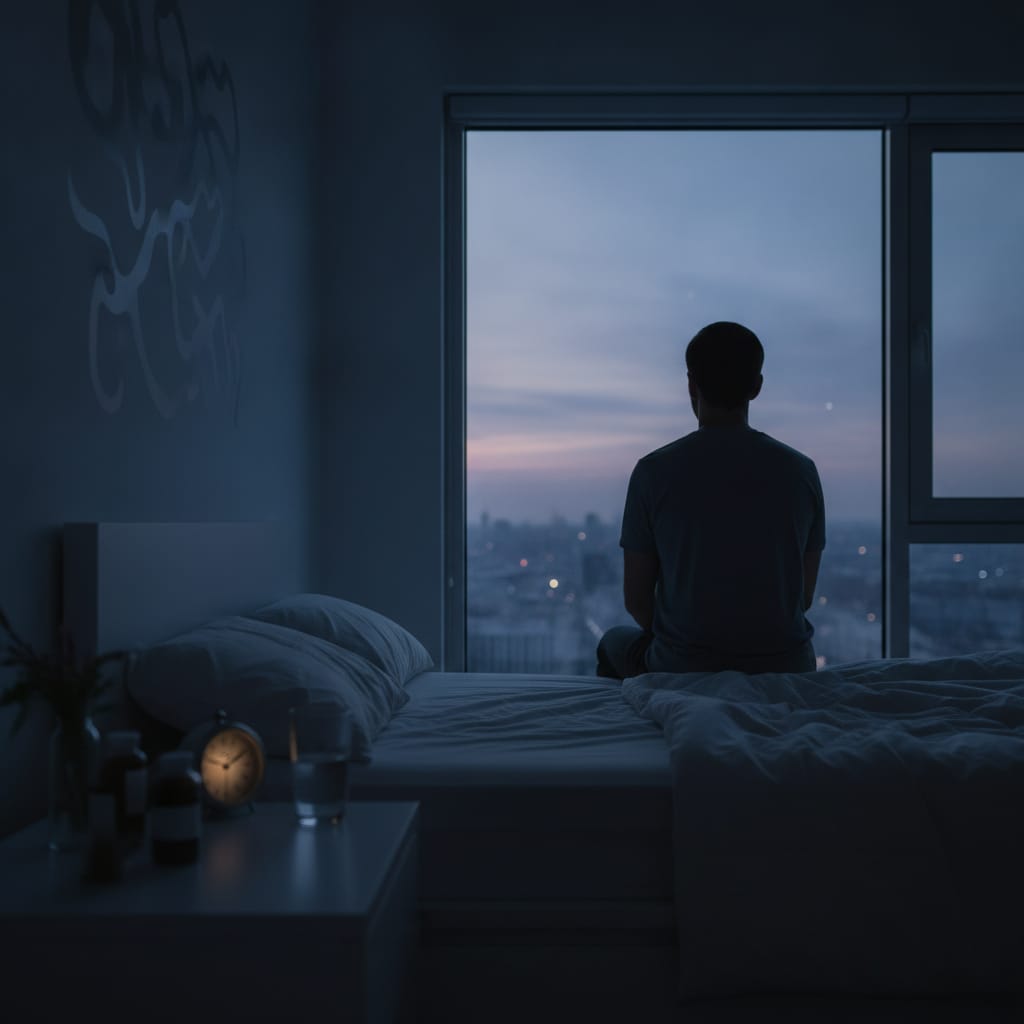
“I’m exhausted all day, but the moment I get into bed, I’m wide awake.”
It is a familiar complaint in community pharmacy. Someone comes in looking for something to help them sleep. Perhaps they have tried herbal tablets, a night-time drink or an antihistamine from the pharmacy shelf. Others tell me they fall asleep easily but wake at three in the morning and cannot get back to sleep.
Then there is another group: people who sleep for seven or eight hours but wake feeling as though they have barely slept at all.
These problems may sound similar, but they do not always have the same cause. And that is why simply buying a sleeping tablet is not necessarily the answer.
Sleep is essential to our physical and mental wellbeing. When it goes wrong, concentration suffers, patience wears thin and even ordinary daily tasks can feel like hard work. The important question is whether the problem is insomnia, a disrupted sleep pattern or another condition that is preventing proper rest.
When does a bad night’s sleep become insomnia?
Most of us have the occasional sleepless night. Worries about work, family problems, illness or an upcoming event can keep the mind racing long after the lights are switched off.
Insomnia is different when difficulty falling asleep, staying asleep or waking too early becomes a recurring problem that affects everyday life.
Stress and anxiety are common contributors, but they are not the only ones. Pain, depression, menopause, restless legs syndrome, an overactive thyroid and certain medicines can all interfere with sleep. Alcohol may make someone feel sleepy initially but can disrupt sleep later in the night. Caffeine taken too late in the day can also make it harder to settle.
The NHS explains that insomnia may improve with changes to sleeping habits, but persistent problems deserve assessment to identify possible underlying causes. (NHS – Insomnia)
One thing I would ask at the pharmacy counter is whether the person struggles to fall asleep, wakes repeatedly or wakes too early. I would also ask how long this has been happening, what medicines they take and whether they feel sleepy during the day.
Those details matter because the best approach depends on the problem.
Are sleeping tablets the answer?
This is where people can sometimes get caught out.
Some pharmacy sleep aids contain sedating antihistamines. They can help with short-term sleeplessness in selected adults, but they are not a cure for persistent insomnia. They may cause next-day drowsiness, dizziness, dry mouth and other side effects. They can also be unsuitable for some people, particularly older adults and those taking other sedating medicines.
Using them repeatedly without reviewing the cause of the sleep problem is not a good long-term strategy.
Herbal products are not automatically risk-free either. Their evidence of benefit varies, and they can interact with medicines. If you are considering a sleep aid, ask your pharmacist whether it is appropriate for you, especially if you have other medical conditions or take regular medication.
Prescription sleeping tablets, including medicines such as zopiclone, are generally reserved for short-term use in selected circumstances because of risks including dependence, side effects and impaired alertness the following day. (NHS – Insomnia)
For persistent insomnia, cognitive behavioural therapy for insomnia (CBT-I) is an important treatment option. It helps people change the thoughts and habits that keep the sleep problem going. A GP can discuss suitable treatment and referral options.
The aim is not simply to make someone unconscious for a few hours. It is to help them sleep better and function better during the day.
What about snoring and sleep apnoea?
Here is a question worth asking if someone says they sleep for hours but never feel refreshed: Has anyone told you that you snore loudly or stop breathing during sleep?
Obstructive sleep apnoea occurs when the upper airway repeatedly narrows or closes during sleep, interrupting normal breathing. The person may briefly wake or partially wake many times without remembering it the next morning.
A partner may notice loud snoring, pauses in breathing, choking or gasping sounds. The person affected may complain of morning headaches, poor concentration, waking frequently during the night or overwhelming tiredness during the day.
Some people assume that snoring is simply an irritating habit. But loud snoring accompanied by pauses in breathing or unexplained daytime sleepiness can indicate a medical problem that needs assessment.
NICE recommends assessing people for obstructive sleep apnoea when they have combinations of symptoms such as snoring, witnessed pauses in breathing, unrefreshing sleep, waking headaches and unexplained daytime tiredness. (NICE – Obstructive sleep apnoea)
Sleep apnoea can affect people of different ages and body sizes. Being overweight increases the risk, but a person does not have to be overweight to develop it.
If you recognise these symptoms in yourself or a family member, arrange a GP appointment. Assessment may lead to a sleep study, often carried out at home.
Treatment depends on severity and individual circumstances. Continuous positive airway pressure, commonly called CPAP, uses a machine and mask to keep the airway open during sleep. Other options may be appropriate for selected people. (NHS – Sleep apnoea)
One important caution: if you suspect sleep apnoea, do not try to solve the problem by taking sleeping tablets. Sedating medicines may be unsuitable and need professional review. If you are struggling to stay awake while driving, do not drive until the problem has been assessed and it is safe to do so.
Why do I wake up tired even after a full night’s sleep?
Sleep apnoea is one possibility, but it is not the only explanation.
Pain, restless legs, frequent urination, alcohol, some medicines and irregular working hours can all disturb sleep. Depression and anxiety may affect both falling asleep and staying asleep. Menopausal symptoms, particularly night sweats, can also repeatedly interrupt rest.
Sometimes the issue is the sleep routine itself. Going to bed early in the hope of catching up, lying awake worrying about the clock or spending long periods scrolling on a phone can turn the bedroom into a place associated with frustration rather than sleep.
That does not mean the problem is your fault. It means that identifying the factors involved can help you decide what to change and what needs medical attention.
Small changes that are worth trying
A few consistent habits can make a real difference:
- Keep a regular waking time. Try to get up at roughly the same time each day, including after a poor night.
- Go to bed when you feel sleepy. Going to bed too early and lying awake for hours can reinforce frustration.
- Watch your caffeine intake. Tea, coffee, energy drinks and some fizzy drinks can interfere with sleep, particularly later in the day.
- Limit alcohol near bedtime. It may make you sleepy initially but can fragment sleep later.
- Build in a wind-down period. Reading, a warm bath or another quiet activity may help you relax before bed.
- Avoid clock-watching. If you are becoming increasingly frustrated and wide awake, get up briefly and do something quiet in dim light. Return to bed when you feel sleepy.
- Get daylight and exercise during the day. Regular activity and a stable routine can support a healthier sleep pattern.
These approaches are consistent with NHS advice on insomnia and sleep habits. (NHS – Insomnia)
They will not treat every sleep disorder, however. If symptoms persist despite sensible changes, do not keep blaming yourself for failing to sleep.
When should you seek help?
Speak to your GP if sleep problems have lasted for months, are affecting your ability to cope during the day or have not improved with changes to your routine.
Seek assessment sooner if you have loud snoring with pauses in breathing, repeated choking or gasping at night, severe daytime sleepiness or unexplained morning headaches.
A pharmacist can review medicines that may affect sleep, discuss appropriate short-term options and help you decide whether a GP appointment is needed. But suspected sleep apnoea and persistent insomnia need more than another product from the pharmacy shelf.
If tiredness is making you unsafe to drive or operate machinery, stop and seek advice rather than trying to push through it.
Better sleep starts with the right question
Sleep problems are often treated as a nuisance: something to put up with, or something a tablet should fix.
But not every person who cannot sleep has the same problem. Some need help breaking the cycle of insomnia. Others need a medicine review, treatment for an underlying condition or investigation for sleep apnoea.
As community pharmacists, we have an opportunity to ask a few simple questions that may help someone get the right care.
So, if you are regularly waking exhausted, do not just count the hours you spend in bed. Think about whether you are getting restorative sleep, whether you snore or stop breathing at night, and whether something else may be disturbing your rest.
A good night’s sleep is not a luxury. And persistent sleep problems deserve proper attention.
Until next time, look after yourself.
This article is for general health information and is not intended to replace individual medical advice.
Health Matters (zaynp100@yahoo.com) is a content creator under the Newswav Creator programme, where you get to express yourself, be a citizen journalist, and at the same time monetize your content & reach millions of users on Newswav. Log in to creator.newswav.com and become a Newswav Creator now!
The User Content (as defined on Newswav Terms of Use) above including the views expressed and media (pictures, videos, citations etc) were submitted & posted by the author. Newswav is solely an aggregation platform that hosts the User Content. If you have any questions about the content, copyright or other issues of the work, please contact creator@newswav.com.