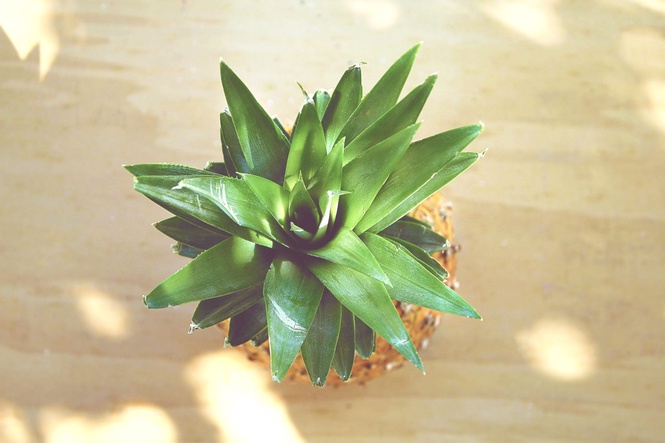
The next time you cut the leafy top off a pineapple, don’t automatically throw it in the trash. That spiky crown may be capable of becoming an entirely new pineapple plant.
It’s one of those grocery-store gardening experiments that sounds almost too easy to be true.
Unlike many fruits, pineapples can be propagated vegetatively, meaning gardeners can grow new plants from existing plant material rather than seeds. The crown attached to a ripe pineapple contains growing tissue that may produce roots and eventually develop into a mature plant.
So, can you grow a pineapple from the top of one purchased at Walmart or another grocery store?
Yes, but growing the plant is considerably easier than harvesting another pineapple.
Why a Grocery Store Pineapple Can Grow Again
According to the University of Florida IFAS Extension, pineapples can be propagated using crowns, slips, and suckers rather than seeds. This makes an ordinary grocery-store pineapple a potential source of free planting material.
Pineapples belong to the bromeliad family and grow from a central rosette of stiff leaves. The leafy crown on top of the fruit is living plant tissue that can develop its own root system under suitable conditions. Commercial pineapples are commonly propagated using crowns, slips, and suckers rather than seeds. This makes an ordinary grocery-store pineapple a potential source of free planting material. However, success depends on the crown’s condition, growing environment, and whether the central growing point remains healthy.
Choose a Pineapple With a Healthy Crown
Not every pineapple in the produce department is an equally good candidate for propagation. The Penn State Extension emphasizes starting with healthy plant material that is free of disease, insects, and significant stress. A crown that has been crushed during shipping or stored under unfavorable conditions may struggle to establish roots.
Look for a crown with firm green leaves and no obvious signs of rot, extensive browning, or severe damage. A crown that has been crushed during shipping or stored under unfavorable conditions may struggle to establish roots. The fruit itself can be ripe and ready to eat, but the leafy top should still appear reasonably healthy. Choosing the best available crown improves your chances without requiring any special gardening equipment.
Remove the Fruit Before Planting
Start by twisting or carefully cutting the crown away from the pineapple. Remove any remaining fruit flesh because sugary material left attached to the base can encourage decay. Peel away several of the lowest leaves to expose a short section of stem where roots may develop. Allow the prepared base to dry briefly in a shaded, well-ventilated location before planting, especially if it has fresh cuts. Avoid damaging the central growing point, since that is where the plant’s new leaves will emerge.
Should You Root It in Water or Soil?
Some gardeners suspend pineapple crowns in water until roots appear, while others plant them directly in a well-draining potting mixture. Both approaches can work, but prolonged exposure to stagnant water increases the risk of rot. Planting the prepared crown in a container with drainage holes avoids the need to transfer delicate water-grown roots later. Use a loose potting mixture and keep it lightly moist rather than constantly saturated. A warm location with bright light supports root development, although newly planted crowns should be protected from harsh conditions until established.
Pineapples Need More Warmth Than Many Houseplants
Pineapples are tropical plants that perform best in warm conditions with plenty of sunlight. They generally won’t tolerate freezing temperatures, making container growing the most practical option in much of the United States. A sunny window, greenhouse, or warm outdoor patio during summer can provide suitable growing conditions. Indoor plants may need supplemental lighting when natural sunlight is limited. Gardeners should also avoid placing containers near cold windows, heating vents, or locations with dramatic temperature fluctuations.
How Long Before You Get Another Pineapple?
Patience is probably the most important requirement when growing pineapple from a grocery-store crown. Under favorable conditions, a pineapple plant may take roughly two to three years, sometimes longer, to produce fruit. Indoor plants can be slower because they receive less light and may experience cooler temperatures than plants grown in tropical climates. A healthy plant must first develop enough mature foliage to support flowering and fruit production. Even then, flowering isn’t guaranteed, particularly when growing conditions are inconsistent.
Don’t Expect a Grocery Store-Sized Harvest
Homegrown pineapples may be smaller than the large fruits displayed in supermarkets. Commercial growers use carefully managed growing conditions and production practices that are difficult to reproduce indoors. A container-grown plant might produce a modest fruit that is still perfectly enjoyable when fully ripe. However, some crowns never produce fruit despite remaining attractive houseplants for years. Treating the experiment as an inexpensive gardening project rather than a guaranteed food source helps keep expectations realistic.
One Pineapple Plant Can Produce More Plants
A pineapple plant typically produces one main fruit from its central growing point. After fruiting, the original plant gradually declines, but it may produce side shoots known as suckers. Those shoots can be separated and grown into additional pineapple plants once they’re sufficiently developed. This means one successful grocery-store crown can potentially become the beginning of a small collection. Propagating healthy side shoots may also be more reliable than starting over with another damaged crown.
Is It Actually Worth Growing?
From a purely financial perspective, growing a pineapple indoors may not save much money. A container, potting mix, and years of care can cost more than purchasing another pineapple at the grocery store. However, gardeners who already own the necessary supplies can experiment with very little additional expense. The plant’s architectural foliage also makes it an interesting tropical houseplant while you’re waiting for possible fruit. For families, watching roots and new leaves develop can provide a memorable introduction to plant propagation.
That Grocery Store Crown Might Be Your Next Houseplant
The answer to can you grow a pineapple from the top is an encouraging yes, provided the crown is healthy and receives suitable care. Remove excess fruit, prepare the stem, plant it in well-draining soil, and provide consistent warmth and bright light. Don’t expect an immediate harvest or assume every crown will eventually produce fruit. The real appeal is turning something normally discarded into a living plant without buying another one. If you’re willing to wait, that ordinary supermarket pineapple could eventually produce a surprising reward.
Have you ever tried growing a pineapple from a grocery-store crown? Did it produce fruit, or did you end up with a tropical houseplant instead? Share your results in the comments!
What to Read Next
What Happens if You Plant the Seeds From a Grocery Store Lemon?
We Compared Grocery Store Prices With Seed Costs — These 7 Crops Look Like Better Deals
Can You Really Grow Lettuce From Grocery Store Scraps? Here’s What the Viral TikTok Hack Gets Right
The post Can You Grow a New Pineapple From the Top of One You Bought at Walmart? appeared first on Frugal Gardening.