South Korea is offering at least 100 million won (about US$75,000, or NT$2.47 million) for every tip that exposes high-tech cheating, after the top scorer on a national tax accountant exam confessed to using AI, setting off alarm days before the country's make-or-break college entrance exam on November 19.
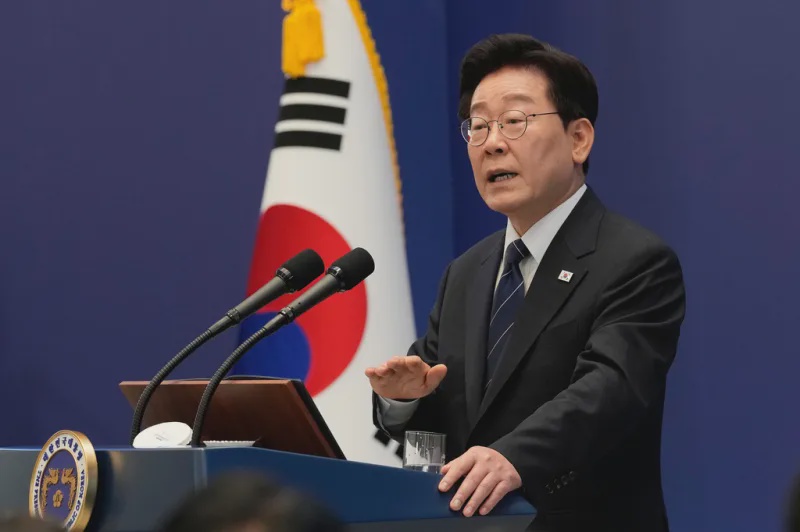
President Lee Jae Myung announced the reward on X on November 17, Bloomberg reported, as the government rolled out the toughest anti-cheating measures yet for the College Scholastic Ability Test, known as the Suneung. The government also moved to raise the penalty for cheaters to a 10-year ban from the exam.
Informants Could Earn More, And Accomplices Get Leniency
Lee said the government had ordered new incentives to encourage people to report cheating that relies on high-tech devices. The reward of at least 100 million won per case could rise depending on how many people were involved, and cheaters who expose their co-conspirators could have their own penalties reduced.
He also had a blunt warning for would-be cheaters.
"To anyone thinking about cheating on the exam: don't gamble your future away on a fluke."
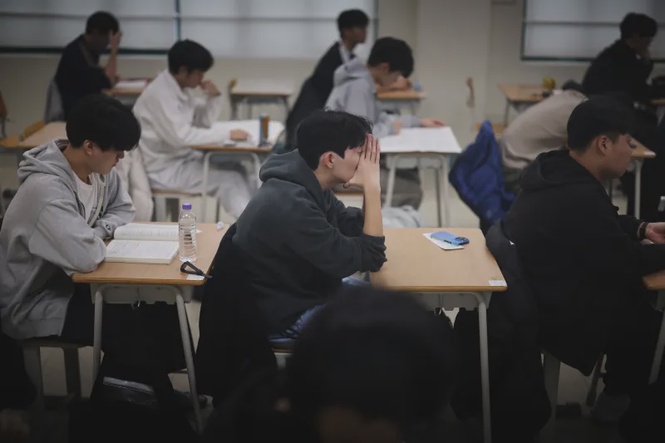
The Suneung is the single exam that largely decides which university South Korean students attend, and with it their job prospects and social standing. More than 550,000 people were registered to sit it at about 1,300 test sites this year, The Associated Press reported. On exam day, the country routinely delays the stock market's opening and halts flights during the English listening section to keep the test fair and quiet.
South Korea has some of the world's fastest internet speeds and widespread use of AI, and a string of cheating scandals has put the fairness of its exams in question. The latest came when Han Won-seok, 34, the top scorer on this year's national tax accountant exam, confessed in a video posted on his lawyer's YouTube channel on November 15 that he had used a hidden micro camera and a smartphone to get answers from AI. His unusually high scores had drawn suspicion after he discussed them in media interviews, and he was questioned by Seoul police on November 17, AP reported. Test takers had also been caught using AI smart glasses on an English proficiency test in June and on some university essay exams in October.
Glasses, Buttons And Phones All Faced Inspection
Prime Minister Han Seong-sook laid out the exam-day measures in a televised address to the nation on November 17. The government added about 8,400 supervisors to the regular proctoring staff, according to AP, and Bloomberg reported that hundreds of them were trained specifically to recognize advanced electronic devices.
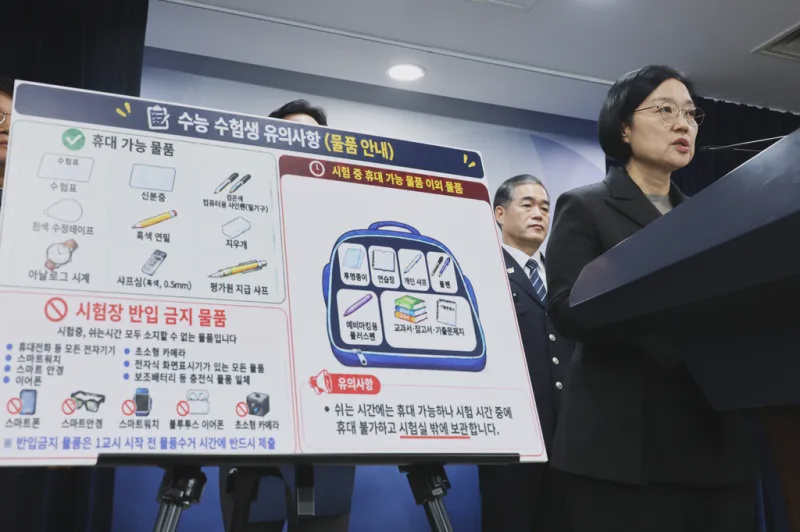
Phones and other electronic devices had to be handed in at the test centers, and keeping a banned device counted as cheating even if it was never used. To flush out phones that were not surrendered, the government planned to send an emergency alert that would set nearly every mobile phone in the country buzzing for about 10 seconds on the morning of the exam, a system normally reserved for major earthquakes or war, according to AP.
Only designated writing tools such as graphite pencils were allowed in exam rooms, and every pair of glasses was checked for AI or camera functions. Test takers were told to place their glasses on their desks for inspection, and proctors could use metal detectors on anyone who acted suspiciously. Officials also advised students to avoid jewelry, hats and shirts with buttons that could hide a miniature camera. Any buttons were covered with stickers.
Global technology companies that run AI chatbots agreed to help with investigations after the exam, such as cases in which test pages were photographed and fed into AI, AP reported.
Cheaters Face A Decade Out Of The Exam And Criminal Charges
The government said it would work with the National Assembly to extend the ban on retaking the Suneung for those caught cheating from one year to 10 years, to raise the cost of breaking the rules. College students who retake the exam to switch universities would also be expelled from their current schools if caught, Han said, according to AP.
Han added that the government would pursue criminal liability against offenders by filing formal criminal complaints or asking the police to investigate. That means a test taker caught using an AI device could lose more than their exam results and face court proceedings as well.
A Seoul Optician Turned The Scandal Into A Sales Pitch
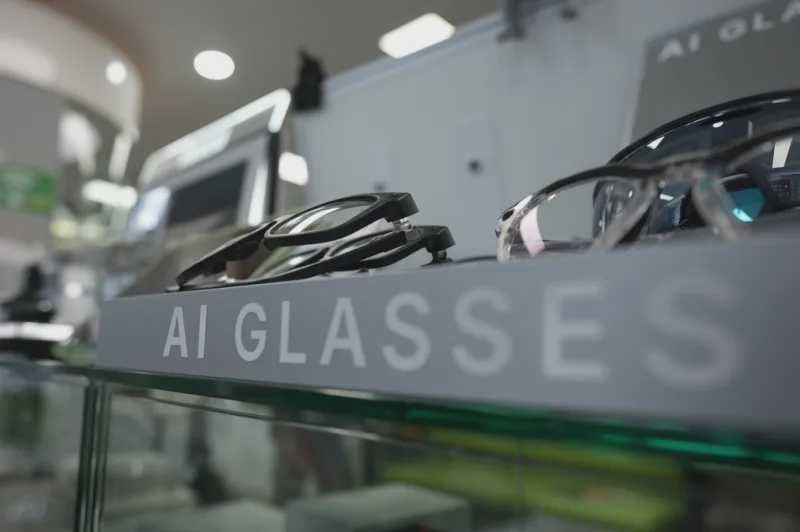
The scandal has also stirred consumer curiosity about AI smart glasses. An optical shop in Seoul's Myeongdong shopping district printed out math questions from last year's Suneung to show customers what its smart glasses could do, according to Bloomberg. A shop employee said buyers were mostly interested in the glasses' translation and navigation features.
Online marketplaces have begun restricting listings that suggest a product could be used to cheat on exams. Joongonara, a secondhand trading platform, warned sellers that such listings would be removed and reminded users that cheating with these devices could break South Korean law.
Taiwan Caught Its First AI Glasses Cheat In July
South Korea is not alone. On July 13, the first day of Taiwan's Advanced Subjects Test, a university entrance exam, proctors caught a test taker using AI glasses in the physics paper, the first such case in the exam's history, Storm Media reported. Taiwan's College Entrance Examination Center had placed metal detectors in every test district for the first time this year, after an applicant to National Taiwan University was caught using AI glasses during a written admissions test. The center said the student could receive a zero for the subject.
You've read it. Now join the conversation — follow us on X, Facebook and IG. Editor: Penny Wang