

Few dishes capture the soul of Malaysia’s diverse culinary heritage like Char Kuay Teow, a smoky, stir-fried noodle dish loved across the country. But while many Malaysians enjoy it without question, not everyone knows the story behind its name and how it evolved differently under Chinese and Malay cooking traditions.
The name Char Kuay Teow itself comes from the Hokkien dialect. In Hokkien, “Char” simply means “fried,” while “Kuay Teow” refers to flat rice noodles. Translated directly, Char Kuay Teow is nothing more than “Fried Kuay Teow.” In Malay, the same dish is known as Kuay Teow Goreng, which carries the exact same meaning. This linguistic overlap perfectly reflects Malaysia’s multicultural food scene, where Chinese, Malay, and even Indian cooking styles often share common roots but develop unique identities.
Before I start rambling off about this particular topic, I'd like to share a personal experience of mine when I first found out the supposedly difference between Char Kuay Teow and Kuay Teow Goreng. I recall vividly my first encounter, and I was at an event, and they had food stalls located at the parking area… and this particular stall I went to was operated by a Malay family. So anyway, I went and placed my order and said I wanted “Char Kuay Teow” and this was what the guy replied to me, “Sorry bang, kita takde Char Kuay Teow tapi kita ada Kuay Teow Goreng” and I was like… “Wait.. WHAT?!?!”. First of all, Hokkien is my first language and so YES, I know what Char Kuay Teow is so when I was given that response from the guy who took my order, I asked him how is there any difference when both mean EXACTLY the same thing. I don't know what got into me, but I sort of got into a debate with him over the name (this was easily around 16 years ago). To cut things short, I just ordered my Kuay Teow Goreng and went long my merry way… and now, back to my article.
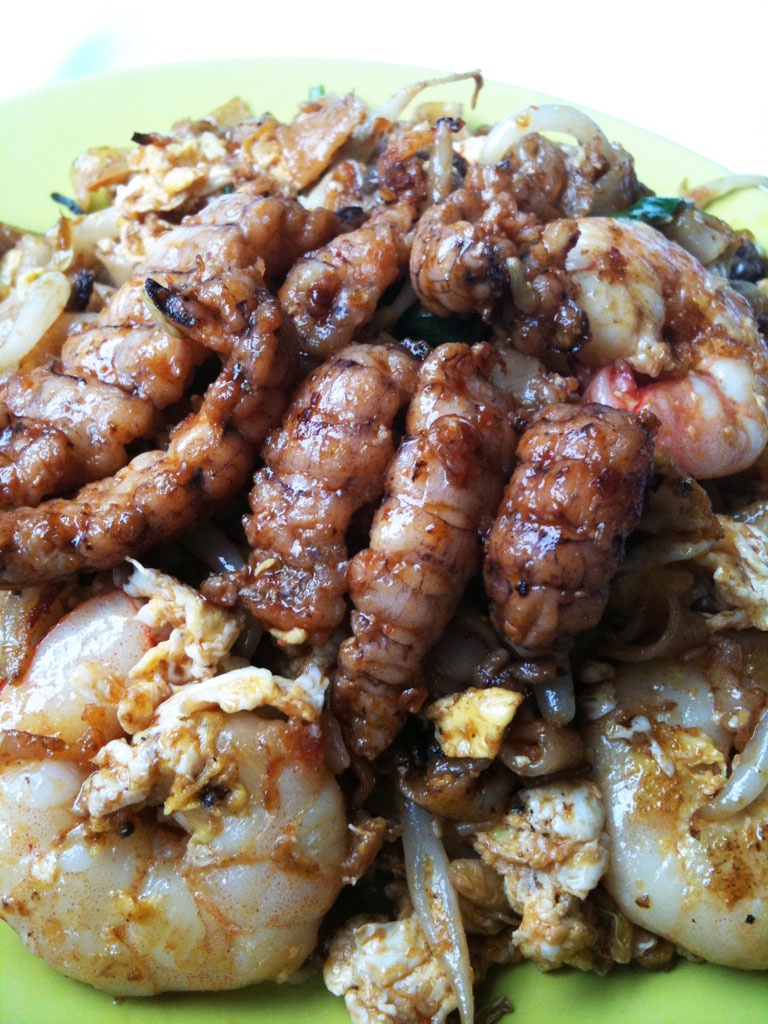
The Chinese Style: Wok Hei and Seafood Richness
The Chinese-style Char Kuay Teow, often associated with Penang, is famous for its use of high heat and the distinct wok hei, the smoky aroma that comes from frying over a searing flame. Typically, the dish is stir-fried with ingredients like prawns, cockles, bean sprouts, eggs, Chinese sausage, and chives. Soy sauce and sometimes a touch of lard add to its richness, giving it a savoury, slightly smoky taste that has made Penang’s version internationally renowned.
Many Chinese hawkers guard their own family recipes, making slight variations, from adding mantis prawns to adjusting the level of spiciness with chili paste. What remains constant, however, is the focus on speed, fire, and flavour, hallmarks of Chinese wok cooking.
The Malay Style: A Spicier, Halal-Friendly Take
In contrast, the Malay version, often called Kuay Teow Goreng, takes on a different personality. While the noodles remain the same, the flavour profile shifts dramatically. Instead of lard or Chinese sausages, Malay cooks use halal-friendly proteins like chicken, beef, or seafood. Sambal, sweet soy sauce (kicap manis), and sometimes a squeeze of calamansi lime lend a sweet, spicy, and tangy flavour unique to the Malay palate.
Some stalls even serve Kuay Teow Goreng Basah (wet fried noodles), which has a slightly saucy consistency, a comforting twist compared to the dry, smoky Chinese version. The Malay style is often richer in chili heat, making it a hit among spice-loving locals.
More Than Just Food — A Cultural Story
The dish highlights more than just taste, it’s a reflection of Malaysia’s cultural harmony. While Chinese hawkers may lean towards seafood and wok precision, Malay vendors embrace spice and heartiness. Both styles are equally popular, and Malaysians often debate which version they prefer, though many happily enjoy both depending on their mood.
Interestingly, when tourists ask locals where to find the “best Char Kuay Teow,” the answer is often divided. Penang loyalists will point north, while others might swear by a Malay-style Kuay Teow Goreng stall in a night market. This diversity is precisely what makes Malaysia’s food culture so rich and layered.
A Dish That Sparks Conversation
Whether you call it Char Kuay Teow or Kuay Teow Goreng, this humble plate of fried noodles tells a story of shared roots and evolving tastes. It represents the fusion of tradition and adaptation, a true Malaysian identity served on a plate.
But here’s where I’d love to hear from you: Which version do you prefer, the smoky Chinese-style Char Kuay Teow, or the spicy Malay-style Kuay Teow Goreng? And where’s your go-to spot to get the best plate?
Drop your thoughts and recommendations because when it comes to Kuay Teow, every Malaysian has a favourite.
Ronny M (ronny76netstuff@gmail.com) is a content creator under the Newswav Creator programme, where you get to express yourself, be a citizen journalist, and at the same time monetize your content & reach millions of users on Newswav. Log in to creator.newswav.com and become a Newswav Creator now!
The User Content (as defined on Newswav Terms of Use) above including the views expressed and media (pictures, videos, citations etc) were submitted & posted by the author. Newswav is solely an aggregation platform that hosts the User Content. If you have any questions about the content, copyright or other issues of the work, please contact creator@newswav.com.