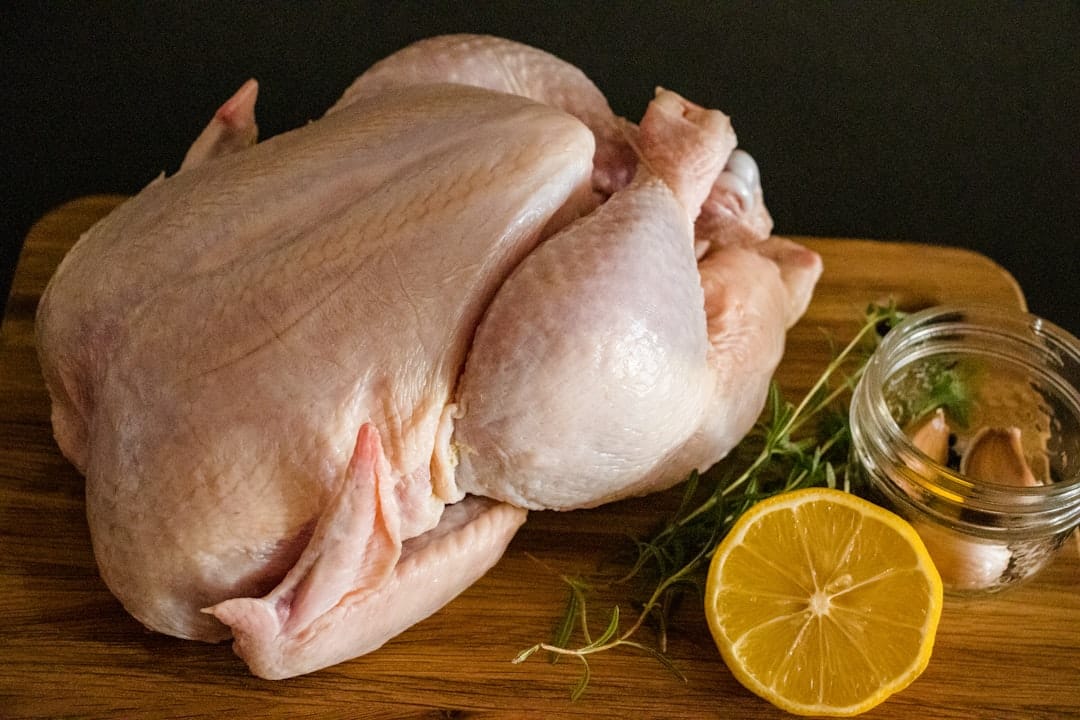
That simple wish struck a nerve online. Within hours, the clip sparked heated debate across Malaysian social media about whether the government’s Sumbangan Asas Rahmah (SARA) welfare list should finally include fresh food like fish and chicken. There were cheers, eye-rolls, and sharp political jabs from Kuala Lumpur to international forums. SARA was launched to support households facing rising living costs by giving eligible Malaysians credit to buy essential items at partner shops. The scheme now covers 14 categories, including rice, cooking oil, eggs, bread, hygiene products, basic medicines, and some school supplies. It does not allow fresh produce such as fish, chicken, meat, fruits, or vegetables yet. (AJobThing)
Since its rollout, more than 10,400 partner outlets nationwide accept SARA credits, up from just a few hundred in 2024. Small shops, mini markets, and major supermarkets are increasingly linked to the programme, widening access for urban and rural communities alike. (Malay Mail)
What’s New on the SARA List?
In January 2026, the Malaysian government signalled a major shift. Officials said they are considering updating the SARA list before Ramadan to include fresh produce, especially items like fish and chicken. The aim is to ease the financial pressure on families during festive seasons, when food demand and prices typically spike. (The Vibes)
According to Muhammad Kamil Abdul Munim, political secretary to the Finance Minister, this change is being studied in response to public requests and rising living costs. Officials said the expanded list could roll out in time for Ramadan, Aidilfitri, and upcoming celebrations. (Malay Mail)
At the same time, the government is looking at ways to improve SARA’s accessibility. Plans could allow smaller rural retailers to participate, making it easier for recipients to redeem their credits closer to home. (The Vibes)
Why Fresh Food Matters
For many Malaysians, fresh goods are a major portion of daily spending. Families often allocate more than half of their grocery budgets to fish, chicken, vegetables, and fruits. This reality makes the possible expansion of SARA a lifeline. Inclusion of these items would help households stretch their budgets further and potentially improve nutrition.
Health voices and community groups have long argued that allowing fresh produce under the SARA scheme could boost healthy eating. One health think-tank letter published in The Star pointed out that current eligible goods include many processed, shelf-stable foods high in sugar or salt. Adding fruits and vegetables could encourage balanced diets and reduce diet-related health issues like diabetes and heart disease. (The Star)
Likewise, single-mothers associations in Kuala Lumpur urged the government to allow essentials like fish and chicken under SARA, stressing that families cannot live on dry goods alone. They argue that such items are essential to daily meals and child nutrition. (fomca.org.my)
Treasury and Policy Challenges
Despite popular support, including fresh produce in the SARA scheme is not simple. Government officials must balance cost control, supply logistics, and fair pricing. Fresh food varies in weight, grade, and price from day to day, unlike fixed-price canned goods or packaged staples. Retail systems need clear barcoding and pricing standards to integrate such items into welfare credits smoothly.
The finance ministry is studying possible mechanisms to handle these challenges before committing. Officials say they want to ensure any expansion is workable for both retailers and recipients. (The Star)
Another factor is supply. Wholesale and retail markets must maintain stable stocks of chicken and fish, especially in rural regions where logistics are more complex. Previous government assurances about supply stability under the SARA programme focused on staples and did not specifically cover perishable goods. (The Vibes)
Voices From the Ground
Supporters of the proposed expansion include low-income families and community advocates. They argue that letting people use SARA credits for fresh fish and chicken would directly reduce household stress.
One online commenter summed it up plainly: “We buy dry goods already. Let us use this for fresh needs too.” Many echoed that current SARA purchases focus on pantry items that, while necessary, are not the biggest drivers of household food costs. (Reddit)
Opposition voices stress caution. Some economists note that expanding eligibility could strain government budgets if credits are applied to higher-priced items like fish, which can fluctuate widely in cost due to seasonality or environmental pressures. Retailers also warn that without clear systems, perishable goods could create confusion at checkout.
Comparisons and Lessons
Globally, welfare programmes that allow fresh food purchases show positive outcomes. In the United States, Supplemental Nutrition Assistance Program (SNAP) benefits can buy fresh produce, and studies show that families using SNAP for fresh food have better dietary patterns over time. Allowing fresh food purchases under welfare credits has also helped reduce food insecurity in parts of Western Europe.
Malaysia’s SARA scheme is still young by comparison, and adapting it to include perishable goods is a complex task. But officials and civil society groups are looking closely at international examples to shape practical implementation.
Political and Social Implications
The debate over expanding the SARA list goes beyond groceries. It touches on deep issues of social equity, government responsiveness, and economic justice. Citizens view the move as a test of whether the government listens to everyday struggles.
Critics on social media are already using the SARA discussion to spotlight broader cost-of-living concerns. Some point to rising global food prices linked to climate change, supply chain disruptions, and inflation. Others argue that a welfare scheme should do more than cover shelf goods if the goal is to maintain dignity and health.
Politicians across the spectrum have joined the conversation. Some opposition leaders call for faster and bolder reforms, while some government allies emphasize caution and administrative readiness.
A Practical Path Forward
Expanding the SARA list to include fish and chicken could be transformative if done right. For success, policymakers should:
• Set clear price and weight standards for perishable goods in the SARA system.
• Equip local retailers, especially small ones, with tools to manage barcoding and digital systems.
• Monitor supply chains to prevent shortages and price spikes.
• Collect ongoing feedback from recipients to refine eligible item lists.
These steps can help ensure that the expansion genuinely reduces household expenses without unintended problems.
What do you think? I’d love to hear your opinion in the comments section.
The push to include fresh fish and chicken in Malaysia’s SARA essentials list is more than a policy tweak. It reflects everyday realities of food insecurity, rising costs, and public demand for practical support. Whether Malaysia can pilot this expansion before Ramadan will show how welfare policy can adapt to real needs.
One grandmother’s viral wish echoes across the nation: welfare shouldn’t just feed the stomach; it should nourish families with dignity and choice.
AM World (tameer.work88@gmail.com) is a content creator under the Newswav Creator programme, where you get to express yourself, be a citizen journalist, and at the same time monetize your content & reach millions of users on Newswav. Log in to creator.newswav.com and become a Newswav Creator now!
The User Content (as defined on Newswav Terms of Use) above including the views expressed and media (pictures, videos, citations etc) were submitted & posted by the author. Newswav is solely an aggregation platform that hosts the User Content. If you have any questions about the content, copyright or other issues of the work, please contact creator@newswav.com.