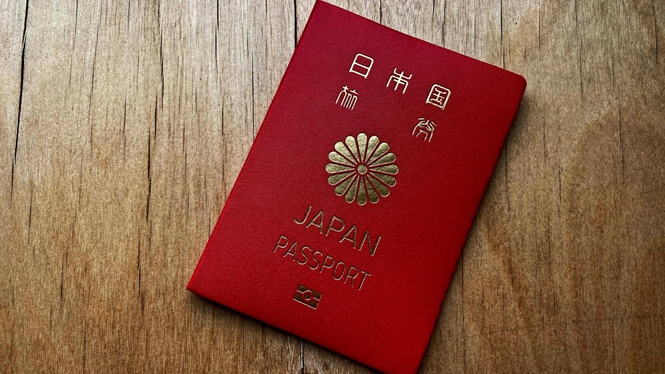
TOKYO - China put sharply higher visa fees for Japanese citizens into effect Monday, raising them to roughly seven times their previous levels.
The Chinese Embassy in Japan’s Sept. 11 notice set the fee at ¥16,750 for a single-entry visa, ¥25,100 for a double-entry visa, ¥33,500 for a six-month multiple-entry visa and ¥50,250 for a one-year multiple-entry visa.
Applications accepted before Sept. 14 remain subject to the previous rates, while fees for third-country nationals are unchanged.
The new Japanese-national charges are about 6.7 to 7.4 times the previous rates. China had earlier extended reduced visa fees through Dec. 31, 2026, setting Japanese applicants’ charges at ¥2,250 for single entry, ¥3,750 for double entry, ¥4,500 for a six-month multiple-entry visa and ¥7,500 for a one-year multiple-entry visa.
Applicants using the Tokyo Chinese Visa Application Service Center also pay a separate service fee. Its current fee schedule lists ¥21,750 before tax for a regular single-entry application, comprising the ¥16,750 visa fee and a ¥5,000 application service fee. Tax is added to the service-fee component.
The increase does not affect Japanese ordinary-passport holders who qualify under China’s current visa-free policy. Eligible travelers may enter for up to 30 days for business, tourism, visits to relatives or friends, exchanges and transit through Dec. 31, 2026. Travelers outside those conditions still need a visa.
Japan separately raised its own visa fees from July 1. Japan’s Foreign Ministry set general fees at about ¥15,000 for a single-entry visa and about ¥30,000 for a multiple-entry visa, although charges can vary by nationality.
For applications in China, Japan’s embassy lists fees of 715 yuan for single-entry visas and 1,430 yuan for double- or multiple-entry visas. China’s Sept. 11 notice did not identify Japan’s fee increase specifically, describing the new Chinese charges as a measure based on reciprocity.
Asked about the increase on Sept. 11, Chinese Foreign Ministry spokesperson Mao Ning said the embassy had issued a notice. “The adjustment was made based on the principle of reciprocity.”