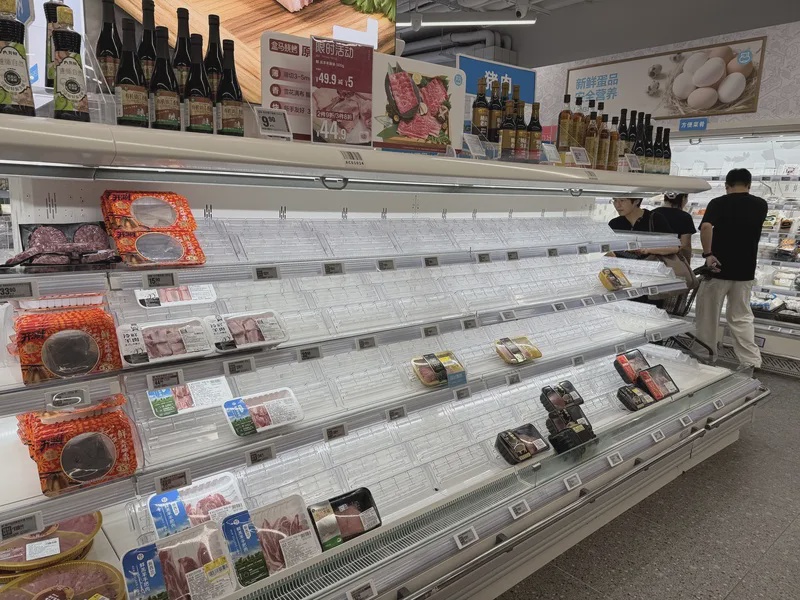
A rebound in pork prices is set to nudge China's consumer inflation higher in 2027, possibly by more than investors expect, even as Chinese households remain reluctant to spend, according to UBS Investment Bank Research.
The Swiss bank's research arm estimates that recovering hog prices could add 0.2 to 0.4 percentage points to China's consumer price index (CPI) next year. That would reverse this year's pattern, when slumping pork prices dragged the index down by 0.3 to 0.4 points.
"What we expect is more of a recovery in prices, rather than a very optimistic expectation for a recovery in consumption," said Christine Peng, head of Greater China consumer sector research at UBS Investment Bank.
The forecast comes as China struggles to shake off a long stretch of weak prices. Peng noted that China's CPI has hovered around zero since last year, compared with roughly 3% in the United States and a similar level in Japan. Consumer prices rose 0.7% in October from a year earlier, with pork prices down 8.6%, China's National Bureau of Statistics reported on November 11.
Breeding Sow Herd Shrinks Nearly 16% In 2026
Peng said the coming rebound will be driven mainly by supply. China's herd of breeding sows began shrinking in the fourth quarter of 2025 and fell by nearly 16% over the first three quarters of 2026, as hog prices sank to very low levels. UBS compares the pattern to the downturn of 2022 and 2023.
Because hog prices have fallen so quickly, UBS expects farmers to cut capacity even faster, setting up a price recovery next year. The bank sees the pork cycle as one of the most important forces in China's consumer economy in 2027, particularly in the first quarter.
If other factors hold steady, UBS said, China's CPI in 2027 could come in above what investors currently expect.
A 40% Jump In Oil Prices Squeezes Consumer Brands
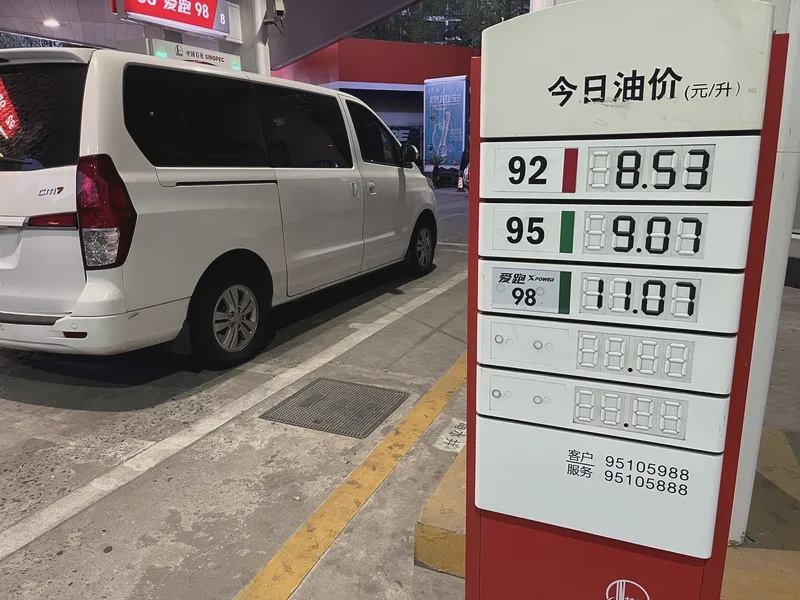
Higher prices at the checkout could offer some relief to consumer goods makers, which have been hit hard by energy costs this year. Peng said oil prices have climbed nearly 40% so far in 2026, sharply raising costs across the consumer goods industry.
"Simply put, when you drink a bottle of water, 30% to 50% of the cost may come from the bottle itself. If that cost goes up 40%, it is very bad news for companies' costs," she said. "That is also why the whole consumer goods sector broadly declined after we entered the second and third quarters this year: investors had very pessimistic expectations about falling profit margins."
Market Leaders May Raise Prices Or Cut Promotions
If pork prices rebound and overall CPI starts trending higher, Peng expects Chinese consumer companies to begin raising prices or scaling back promotions in the first or second quarter of 2027.
With cost pressures still in place, UBS said, industry leaders that hold pricing power would have the most room to pass those costs on to shoppers if inflation returns.
UBS Sees No Big Stimulus Coming From Beijing
On the policy front, Peng does not expect Beijing to roll out large-scale stimulus for consumption. The home appliance trade-in program of the past two to three years has already pulled forward some future spending, she said, while the central government faces the harder task of lifting employment and household income growth.
UBS observed that, apart from the appliance trade-in scheme worth more than 200 billion yuan, China introduced no other policies aimed at consumption this year.
Should Beijing introduce measures in 2027 such as subsidies for families having children, unemployment insurance or benefits, or support for retirees, UBS said they would certainly help lift investor sentiment.