Companies from Taiwan, Japan and South Korea will keep pouring money into the United States, and the amounts are likely to grow as projects move from buying land to building and running factories, a senior Citigroup executive said on November 3.
"These companies have a lot of capacity to invest. I think that investments from the South Koreans, Taiwanese, and Japanese firms is likely to continue," Ernesto Torres Cantu, Citi's head of international, told Reuters in Hong Kong. Torres Cantu runs the bank's business outside North America, which spans more than 180 countries and jurisdictions.
Why Citi Expects The Spending To Grow
Torres Cantu said Citi has seen "double-digit growth in the inbound business into North America," as Asian manufacturers set up production closer to American customers. He described overseas investment as a process that builds in stages: companies first buy land, then construct factories, then begin operations, and each step requires more financing than the last. "So, it just keeps going up," he said.
He said multinational companies are "adjusting exceptionally fast" to a shifting environment. US tariffs matter, he noted, but the war in the Gulf may end up having a bigger effect on global trade flows and supply chains.
The bank has a direct stake in the trend. Citi and JPMorgan are among the lenders financing Japanese projects under Tokyo's US$550 billion pledge to invest in the United States, part of its trade agreement with Washington. The White House recently unveiled the first tranche of South Korea's US$350 billion investment package, according to the Korea Times, which carried the Reuters report.
How Taiwan Fits Into The Investment Wave
Taiwan's own commitments are on a similar scale. Under a trade agreement signed with Washington in January 2026, Taiwanese companies are expected to invest US$250 billion in the United States, backed by up to another US$250 billion in government credit guarantees, according to an analysis by the Global Taiwan Institute, a Washington think tank.
The institute noted that Taiwan sent 113 companies to the SelectUSA Investment Summit in May, the largest delegation of any economy, and that 20 of them announced investment plans worth a combined US$35 billion. Taiwan's direct investment stock in the United States stood at US$14.8 billion in 2024, and two-way trade reached about US$256 billion in 2025, making Taiwan America's fourth largest trading partner.
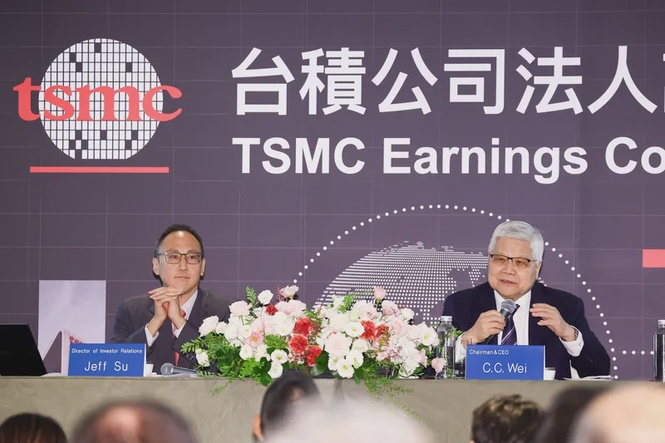
Chipmaker TSMC is the biggest single driver. Taiwan's Ministry of Economic Affairs has approved US$44 billion in TSMC investments in the United States since December 2020, including a US$20 billion capital injection into its Arizona subsidiary cleared in July, Focus Taiwan reported. The company has pledged a total of US$165 billion for its Arizona operations and raised its 2026 capital spending forecast to between US$60 billion and US$64 billion.
The money is not limited to chips. As TSMC's suppliers and partners follow it to Arizona, Taiwanese firms in construction, real estate and services have also begun expanding around the new fabs.
Asia's Busiest Trade Corridors
Beyond the flows into the United States, Torres Cantu said China and India sit at the center of two of the most active trade corridors Citi is tracking. Trade between the United Kingdom and India is "growing significantly," he said, and the free trade agreement between the European Union and India, due to take effect in 2027, should create "a lot of business opportunities."
"We see business expansion from China to the rest of the world continuing to grow," he added. Flows tied to Chinese companies expanding abroad have risen by more than 20% a year over the past two years.
What It Means For Citi
The comments come as cross-border business helps lift Citi's results. The bank's third quarter revenue rose 8%, while revenue from its services business, which handles payments and cash management for multinational companies, climbed 15%, according to the Reuters report republished by Investing.com.
Citi has also recently received approval to set up a wholly owned securities firm in China, expanding its presence in the world's second largest economy even as it profits from companies shifting production toward the United States.
You've read it. Now join the conversation — follow us on X, Facebook and IG. Editor: Yuping Chang