
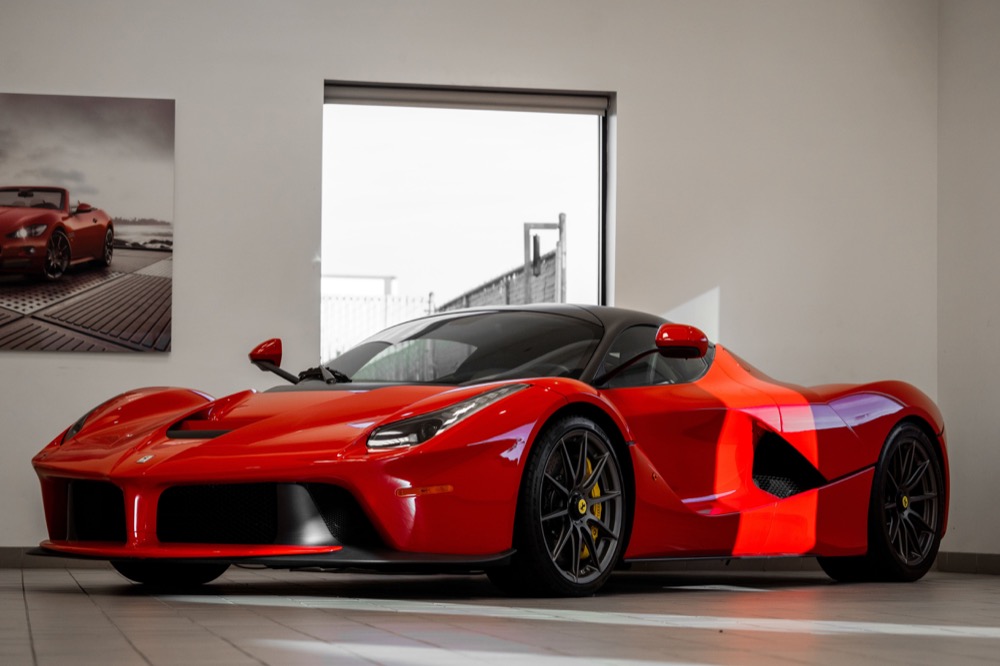
A proposal moving through the Minnesota legislature could significantly limit when classic and collector vehicles are allowed on public roads, raising concerns among enthusiasts who say the measure may reshape how vintage cars are used across the state.
Proposed Law Could Narrow When Collector Vehicles Can Be Driven
A legislative proposal in Minnesota is drawing attention from classic car owners and automotive groups who fear it could sharply narrow the circumstances under which vintage vehicles can legally be driven. The measure, known as House File 3865 (HF 3865), seeks to clarify how vehicles registered in the “collector” class are meant to be used. Supporters describe the proposal as a clarification of existing rules, but critics say the language may effectively push most driving activity for these vehicles into weekends or organized events.
Under the proposal, lawmakers aim to define what qualifies as operating a vehicle strictly as a collectible item rather than a regular mode of transportation. The bill states,
“A person may operate a vehicle registered in the collector class…solely as a collectors’ item and not for general transportation purposes. Operation as a collectors’ item includes: (1) transportation for a collector vehicle club activity, exhibition, tour, parade, or similar use; and (2) operation on Saturday and Sunday from sunrise to sunset.”
This wording would mean that collector vehicles could be used for organized automotive activities such as car shows, parades, and club tours. Outside those activities, the proposal wouldlimit casual driving to daylight hours on weekends. The shift would represent a more structured framework than the current practice in Minnesota, where the law prohibits using collector vehicles for everyday commuting but leaves more room for occasional weekday driving.
If adopted without changes, the proposal could reshape how classic car enthusiasts interact with their vehicles, moving many activities to weekends or organized gatherings rather than spontaneous drives during the week.
Enthusiasts Fear The Proposal Could Change Classic Car Culture
The classic car community in Minnesota has reacted quickly to the proposal, with many owners warning that the language could restrict common activities that help preserve older vehicles. Hobbyists sayvintage cars require periodic driving to keep mechanical systems functioning properly, including engines, fuel systems, and seals that degrade when vehicles sit unused for long periods.
Owners also point to practical situations that may become legally unclear. For example, test drives after mechanical repairs or restoration work may not fall neatly within the categories listed in the bill. Casual weekday cruises, a longstanding tradition in many local car communities, could also become difficult to justify under the proposed rules unless they are tied to an organized club event.
Some collectors argue that these limitations could discourage people from restoring and maintaining historic vehicles. Maintaining vintage automobiles often requires significant time, specialized parts, and mechanical expertise. Enthusiasts worry that if opportunities to drive these vehicles become more limited, the incentive to invest in restoration projects may diminish.
For many hobbyists, the value of a classic car lies not only in displaying it but also in driving it occasionally on public roads. That experience connects enthusiasts with the automotive history represented by vehicles built decades ago.
Existing Minnesota Law Already Restricts Daily Use
Minnesota already regulates collector vehicles through a special registration category. Vehicles registered with collector plates are not intended for general transportation, and owners must maintain another vehicle registered for daily driving. These rules are meant to prevent the collector designation from being used to bypass standard registration requirements for everyday cars.
The difference with the proposed legislation lies in the level of specificity. Current law focuses on the principle that collector vehicles should not be used as regular transportation, but it does not explicitly define the times or situations in which they may be driven. That lack of detail has allowed owners to occasionally take their vehicles out during the week for short drives without being tied to a formal event.
The new bill attempts to replace that ambiguity with clear guidelines tied to specific purposes and time windows. Under this structure, weekend daytime driving becomes one of the few broadly permitted situations, while weekday driving would largely depend on participation in organized activities such as club events or exhibitions.
This change has led many enthusiasts to interpret the proposal as a de facto weekday driving restriction, even though the bill does not explicitly state the words“weekday ban.”
Legislative Debate Continues As Car Community Watches Closely
The proposal is still moving through Minnesota’s legislative process, and the final language could change before lawmakers take a final vote. Amendments could be introduced to clarify whether activities like repair testing, maintenance drives, or informal gatherings would remain permitted.
Automotive groups and collector organizations are closely monitoring the debate, urging legislators to consider how the wording might affect a long-standing enthusiast culture within the state. Minnesota has a strong tradition of classic car shows, weekend cruises, and restoration projects, with many communities hosting regular gatherings that celebrate automotive heritage.
According to Newsweek, critics worry that overly restrictive language could unintentionally discourage participation in these activities. Supporters of the bill argue that clearer definitions would simply ensure that collector plates are used appropriately and not as a workaround for normal vehicle registration.
The outcome of the legislative process may determine whether classic cars in Minnesota continue to appear on roads throughout the week or become vehicles primarily reserved for organized events and weekend drives.
Enjoyed this article? Subscribe to our free Newsletter for engaging stories, exclusive content, and the latest news.

