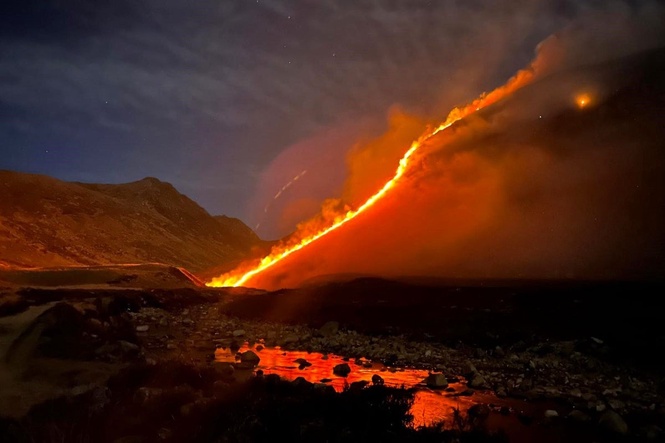
After a summer of record-breaking heatwaves, wildfires and school closures, Britain is now facing worsening drought.
Yet as the climate crisis intensifies, the international response is under mounting pressure. Countries have been accused of failing to deliver on promises made at previous UN summits, while several major powers are increasingly turning their backs on the process.
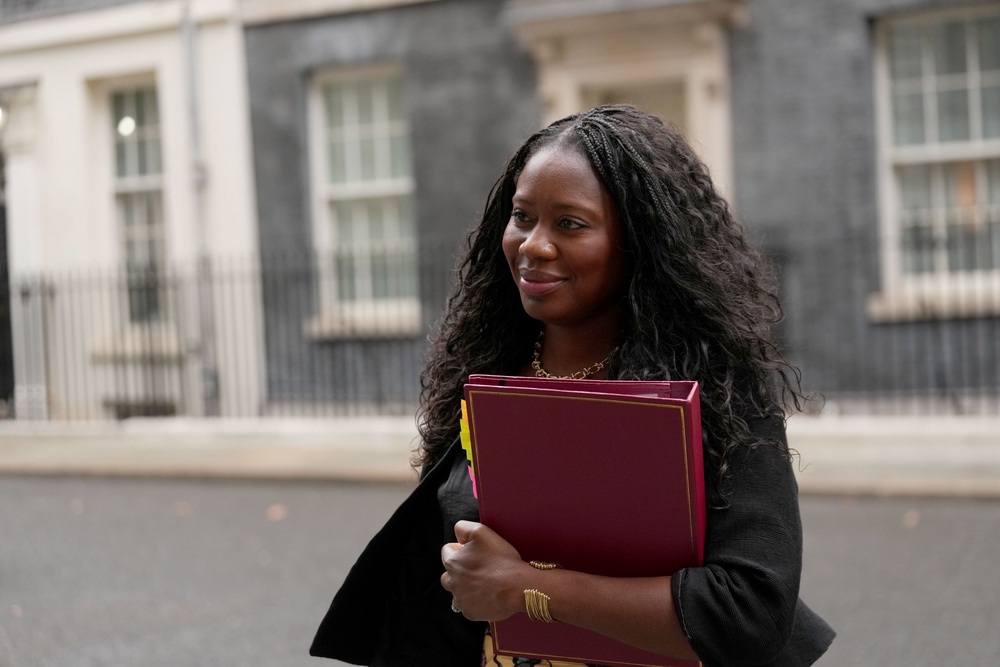
However, energy secretary Miatta Fahnbulleh has told The Independent that Britain’s participation at Cop31 in Antalya, Turkey, this week is “in the national interest” – both to protect the country from increasingly extreme weather and to seize opportunities in the green economy.
“This summer, we all felt it. Record heatwaves. Homes lost to wildfires. Schools forced to close in the heat,” she said. “Climate change is no longer a warning about the future, or something happening somewhere else. It is here, in Britain, now.”
Her comments come amid growing questions over whether Cop is delivering on its promises. Donald Trump has pulled the US out of the Paris Agreement and begun the process of withdrawing from the UN climate convention, and several other world leaders are also staying away from this year’s summit.
But with the potential return of El Niño threatening to push global temperatures even higher, the prospect of further extreme weather adds urgency to the negotiations.
Key focuses for the UK at the conference, Ms Fahnbulleh suggested, will include pushing clean power, cutting methane emissions, and protecting forests and oceans. “[We will] build resilience to the extreme weather to come, and unlock the finance to make it happen,” she said.
Ms Fahnbulleh is leading the UK delegation in Turkey, and is set to attend alongside visits from PM Andy Burnham, foreign secretary Ed Miliband, mayor of London Sadiq Khan, and net zero minister Katie White.
The high-profile UK delegation is in contrast to other major powers, with France, Germany, Italy, India and China not expected to be represented by their leaders. Meanwhile, the US is not expected to send any official delegation at all, with Donald Trump having pulled out of the Paris Agreement and the UN Framework Convention on Climate Change when he returned to the White House last year.
The US president has also slashed climate aid, while his views have forced UN agencies to change how they address the climate crisis. However, a 19-member, Democrat-led, Congressional delegation will attend the conference, in the wake of a wave of Democrat wins in the US midterms.
Turkey’s President Erdogan will deliver an address at Cop31, as will Prime Minister Anthony Albanese of Australia, which is co-hosting the two-week event. Newly re-elected President Lula of Brazil is also set to appear.
Turkey has said that its key priorities for the UN conference include a pledge to electrify 35 per cent of energy systems by 2035, boosting food security – after the subject was left out of last year’s decision – and cutting global waste. As ever at these conferences, boosting available climate finance is also set to be a key point of discussion.
The talks are taking place against a backdrop of global emissions continuing to increase year-on-year, while an ongoing “super” El Niño climate event is threatening to drive tens of millions into food crisis. Elsewhere, the US war in Iran is continuing to put pressure on global energy systems.
Ms Fahnbulleh emphasised to The Independent the importance of working together with other countries to tackle the climate crisis.
“The first duty of any government is to protect our communities,” she said. “But let’s be honest – no country can tackle a challenge of this scale alone. That is why working with other nations at Cop31 matters so much.”
She continued: “This is about Britain’s national interest – protecting livelihoods here at home, and working with partners around the world to seize the opportunities of the clean energy transition.”
Ms Fahnbulleh further described clean energy as the “reindustrialisation opportunity of our time”.
“By electrifying our homes, businesses and transport, we can create good jobs, warmer homes and real energy security,” she said. “Because the answer to high bills and climate change is the same: more clean, homegrown power.”
Ms Fanbullah’s comments come after a record-breaking summer of heatwaves in the UK, with the mercury nearing 40C at multiple points across the year.
“Unfortunately, this will be the least extreme climate we will experience in our lifetimes, certainly until we reach net zero emissions,” Hayley Fowler, professor of climate change impacts at Newcastle University, told this newspaper earlier in the year. “We need to pressure politicians to do more and faster: to both rapidly reduce emissions and rapidly adapt our infrastructure to cope with more extreme weather.”
Throughout the summer, sectors across the economy reported difficulties resulting from inadequate adaptation to extreme heat, which is increasingly hitting regions around the world.
The National Farmers Union, for example, warned that the prolonged drought and record-breaking heatwaves could result in severe crop failures and UK food shortages.
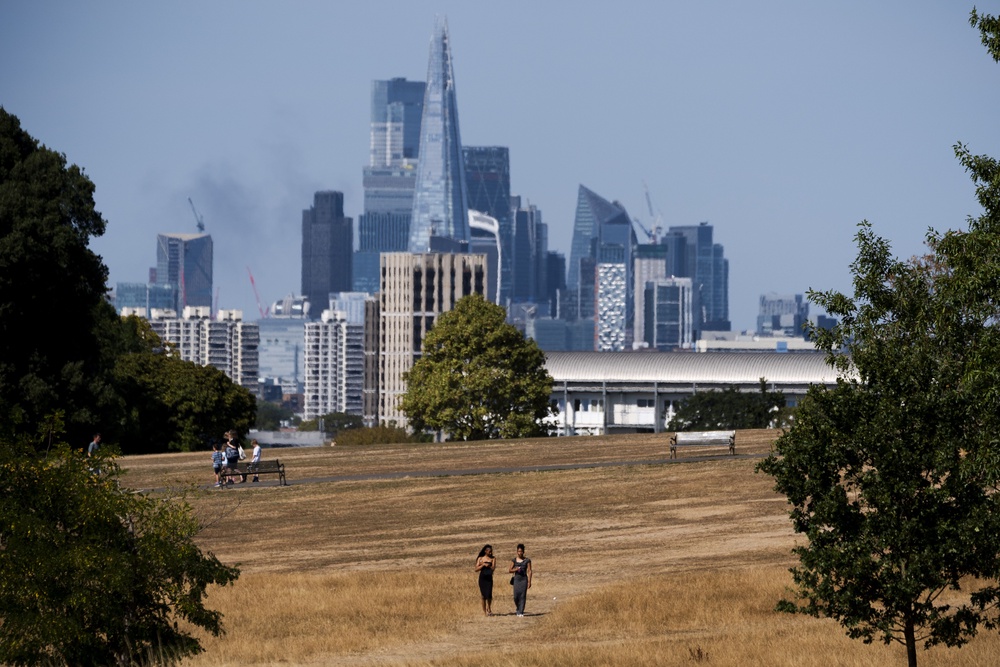
“A summer drought doesn’t just affect one harvest. Its financial impact can last for years, affecting not only farmers and their livelihoods, but the wider communities we all support,” Eleanor Gilbert from Rookery Farm in Thatcham, Berkshire, told The Independent, adding that the summer’s weather hit her pumpkin crop by around 50 per cent.
“For me personally, if I can no longer make farming financially viable, I may have to consider a different career,” she added.
Schools across the country are also increasingly forced to close due to the hot weather, while small businesses are suffering in a variety of ways.
Alan Ridealgh in Suffolk was told by his local water company that he must control his small brewery company’s water usage over the next few years, amid concerns that their supplier will be unable to meet rising demand.
Faced with price rises for water of nearly 30 per cent by 2030, Mr Ridealgh said: “This has come as a bolt from the blue to us... I completely understand why we need to manage water, but this is just ridiculous and there has been no real consultation. They clearly don’t realise how much water small businesses use.”
Sports clubs and other community groups are also being hit, with Northern Premier League FC United of Manchester warning that longer and wetter winters are causing considerable drainage problems at their stadium.
“Like many clubs throughout the pyramid, longer and wetter winters are putting considerable strain on the drainage system in our stadium pitch, increasing the risk of postponements which have a material impact on the finances of non-league clubs,” said Paul Hurst, a board member of the club.
Cop31 takes place from 9 to 20 November 2026, against a backdrop of growing frustration that three decades of UN climate negotiations have yet to deliver emissions cuts at the scale required to avert the worst impacts of global warming.
Nonetheless, some environmentalists hope that soaring fossil fuel prices due to the Iran war, and the prospect of the exceptionally powerful El Niño intensifying extreme weather across much of the world, could bring fresh impetus to decarbonise to the talks.
Dr Fatih Birol, the head of the International Energy Agency, told the Financial Times this week that he expects to see a “climate action comeback” at Cop31, saying: “I have rarely seen the energy security policy objectives and the climate objectives so closely aligned.”
This article has been produced as part of The Independent’s Rethinking Global Aid project
Read MoreHow close are we to a long-term breach of critical 1.5C global warming limit?
The ‘fragility penalty’ stopping nations getting the help they need has to end
On the brink of ruin due to climate change, Pacific Islanders know who is to blame
Super El Niño could kill 870,000 people around the world, warn climate scientists
2026 could be hottest year on record. Is a 'super' El Niño to blame?
Dozens of pilot whales die in mass stranding on New Zealand coast