
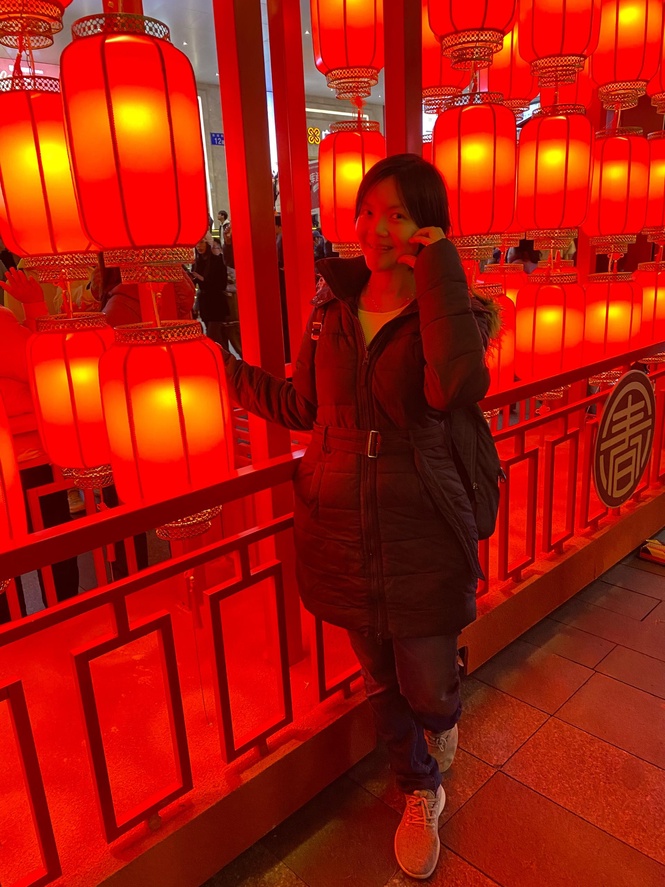
Like a cherished recipe passed down through generations, Chinese New Year's essence remains the same, but its flavors vary delightfully between China and Malaysia. Let me take you on a cultural journey that shows how these two nations have spiced up their celebrations in their own unique ways.
In China, particularly in Guangzhou, a special tradition called 走花街 (Zou Hua Jie) - "Walking the Flower Street" - marks the beginning of festivities. This isn't just shopping - it's a cultural ritual where locals and visitors weave through vibrant flower markets set up across districts like Yuexiu, Haizhu, and Liwan. Each bloom and branch carefully selected symbolizes different hopes for the year ahead, transforming the city into a fragrant garden of wishes. The Spring Festival continues with family reunion dinners, where the aroma of dumplings promising wealth mingles with the scent of festive flowers, while firecrackers and lion dancers add their own rhythm to the celebrations.
Meanwhile, Malaysia turns Chinese New Year into a vibrant cultural mosaic. Picture this: a Cantonese family honoring the God of Wealth with glutinous rice cakes, while their Hokkien neighbors have their own distinct rituals. The star of Malaysian CNY has to be the Yee Sang tossing ceremony - a prosperity salad that turns dinner into a joyful group activity. Watching families and friends gather around the table, chopsticks poised, ready to toss the colorful ingredients higher and higher - each lift representing rising fortunes for the new year.
When it comes to food, both countries tell their own unique stories. China maintains its traditional roots but celebrates regional diversity - northern kitchens steam dumplings by the hundreds while southern woks sizzle with seafood specialties. Cross over to Malaysia, and you'll find Chinese classics getting cozy with local flavors. Traditional Nian Gao (year cake) gets a Malaysian twist with coconut milk, and festive tables showcase a beautiful fusion where dishes like rendang may appear alongside Chinese roast duck - a delicious testament to Malaysia's multicultural spirit.
The community spirit also takes different forms in each country. China's celebrations center strongly on family first, with public festivities creating waves of festive energy across cities and villages. Malaysia embraces its multicultural identity through the beloved "open house" tradition - where homes become welcoming spaces for friends and neighbors of all backgrounds to gather and celebrate together, making CNY a truly Malaysian celebration that transcends cultural boundaries.
Both nations demonstrate how shared traditions can evolve uniquely while maintaining their core values. The differences in celebrations don't divide - they enrich, showing how the same festival can paint different but equally beautiful pictures across Asia. In both countries, the spirit of renewal, family bonds, and hopes for prosperity remain at the heart of the celebrations, even as they're expressed through different cultural lenses.
The beauty of these different approaches to CNY lies in how they reflect each country's cultural journey - China's deep-rooted traditions meeting modernity, and Malaysia's wonderful blend of cultures creating something uniquely its own.

Submit any #CNY2025-related content for a chance to win grand prizes and claim up to RM6,888 from the Prosperity Pool! T&C apply. Find out how you can participate here.
Dietitian Wanderlust is a content creator under the Newswav Creator programme, where you get to express yourself, be a citizen journalist, and at the same time monetize your content & reach millions of users on Newswav. Log in to creator.newswav.com and become a Newswav Creator now!
The User Content (as defined on Newswav Terms of Use) above including the views expressed and media (pictures, videos, citations etc) were submitted & posted by the author. Newswav is solely an aggregation platform that hosts the User Content. If you have any questions about the content, copyright or other issues of the work, please contact Newswav.