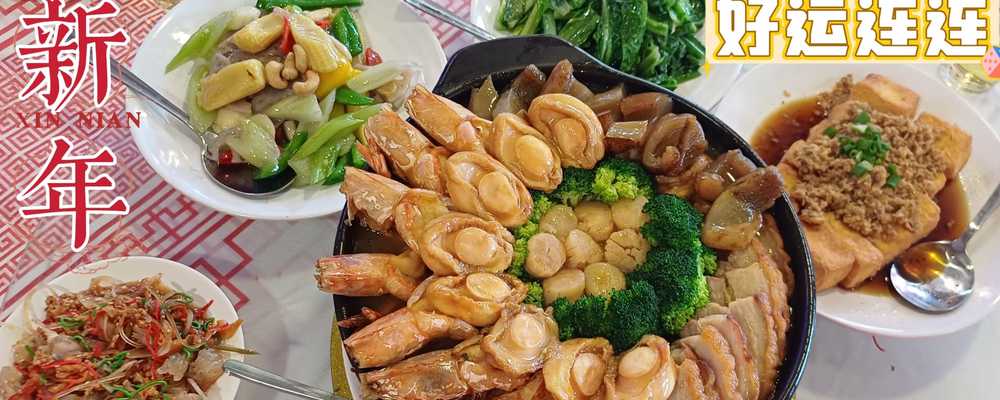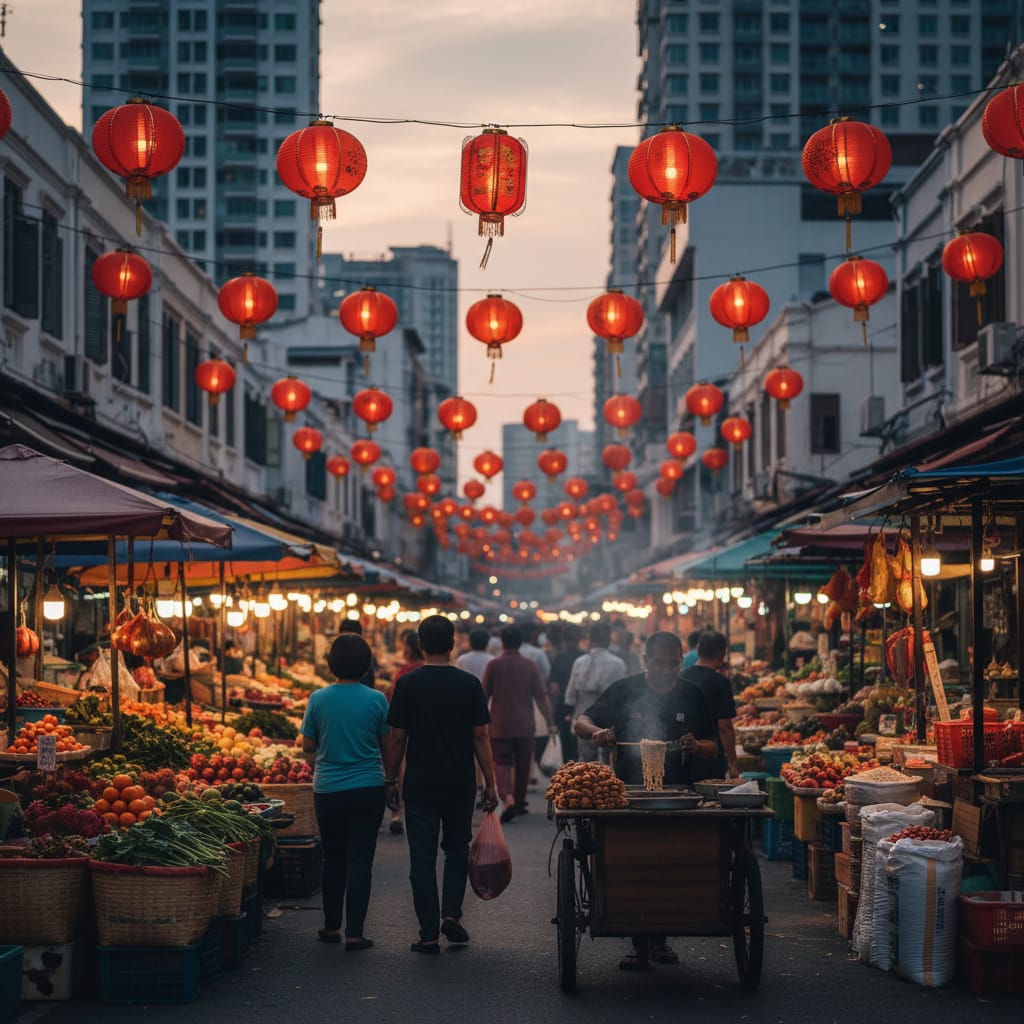
Malaysia recently introduced new enforcement measures, including a nine‑day maximum price scheme during Chinese New Year (CNY) to control essential goods prices. Critics asked whether these rules might affect long‑held traditions. Looking at data, community reactions, and expert views, it’s clear that CNY customs will remain strong and vibrant in Malaysia.
Emotions, Culture, and Concerns
The Chinese New Year is one of Malaysia’s most meaningful cultural holidays. It marks family togetherness, renewal, prosperity, and ancient customs that many Malaysian Chinese have practised for generations. Malaysians of all races greet one another with “Gong Xi Fa Cai” during the season, showing warmth and multiethnic participation. (The National)
Still, when the government announces any new rules tied to festivals, some ask: Will they change the way we celebrate?
Recent measures include stricter monitoring of prices and goods during CNY to protect consumers. The goal is to keep essentials affordable during festivities. Critics worry this might feel like “regulation on a festival.” But experts and community leaders say these rules don’t harm tradition or culture.
What the New Rules Are (But Don’t Change Tradition)
Price Control Scheme
• From 13 to 21 February 2026, the government enforced a maximum price scheme for up to 16 essential items to control inflation and protect consumers. (Human Resources Online)
• Authorities conducted over 10,600 inspections nationwide, resulting in 1,357 cases and RM157,000 in compounds. (The Star)
• These efforts aim to stop price gouging during high‑demand festive periods.
Important: These are economic and consumer protection rules. They do not regulate cultural practices, ceremonies, or celebrations.
Firework Safety Laws
Officials remind the public to follow existing laws on fireworks and firecrackers. The goal is safety, not to limit celebration. (The Star)
Police and civil authorities enforce these laws under the Explosives Act 1957 and related regulations, focusing on safety rather than dampening tradition.
Malaysian Traditions Remain Strong
Chinese New Year in Malaysia is robust and diverse. Traditions are practiced nationwide, from reunion dinners and yee sang (prosperity toss) to lion dances and temple visits. (Trip.com)
Key traditions that remain unaffected:
• Reunion Dinner: Families travel to be together.
• Yee Sang Toss: A uniquely Malaysian communal tradition.
• Lion and Dragon Dances: Still widely performed.
• Temple Visits: People pray for health, luck, and prosperity.
• Ang Pows (Red Envelopes): Given to family and children.
These customs are core to cultural identity and are not targeted by any new administrative rules.
Local events, like CNY open houses in Sarawak, highlight unity and inclusivity. Sarawak’s Deputy Premier said these gatherings show the state’s commitment to shared celebrations for all communities. (Borneo Post Online)
Social Impact: Unity and Multicultural Engagement
Malaysians often celebrate CNY across cultural lines. Many open houses invite people of all ethnicities, helping build trust and understanding. (Chow Sang Sang 周生生)
This reflects Malaysia’s broader muhibbah spirit harmony among Malay, Chinese, Indian, and other communities. Recent national celebrations also drew leaders from different races, and even the Prime Minister spoke about CNY as a celebration for all Malaysians. (The Sun Malaysia)
Cultural experts argue that Malaysian society values shared festivals. These moments strengthen unity rather than divide people.
Economic Effects of Festival Spending
Chinese New Year is not just culture. It’s also a major economic driver in Malaysia.
Boost to Local Economy
• Shopping malls and businesses see increased revenue during CNY preparations and celebrations.
• Restaurants, markets, and tourism sectors benefit from seasonal spending.
Tourism officials have even linked CNY celebrations with tourism growth, as events attract local and international visitors. (TheStarTV.com)
Price Controls and Consumers
The government sees price controls as a consumer protection tool. Economists note that controlling essential items during festive periods helps families manage costs without affecting festive spending on culture, food, and gatherings.
Even with regulations, people still buy traditional foods, gifts, and ang pows. Cultural spending continues to be high year after year.
Global Context: Festival Traditions Around the World
Chinese New Year is celebrated in many countries outside Malaysia, including China, Singapore, Indonesia, Hong Kong, and Taiwan. Each place has its own blend of tradition and modern practice.
In Singapore, CNY customs blend multicultural elements and government guidance to ensure safety and inclusivity. In Hong Kong, public festivities and parades attract global visitors. Comparing these international practices shows that cultural tradition stays strong even with safety or economic regulations in place.
Malaysia’s approach is similar. Rules that protect public interest during festivals do not take away core cultural practices.
Expert Views
Dr Cheng Wei, Cultural Anthropologist (University of Malaysia):
“Regulations on prices and public safety do not encroach on the living traditions of Chinese New Year. What makes CNY strong in Malaysia is its deep roots in family, community, and shared values across ethnic groups.”
Prof Tan Mei Ling, Economist:
“Price controls during festive seasons are meant to help households cope with costs. These measures are economic, not cultural. Spending on traditional foods, gifts, and social events continues to rise despite controls.”
Dato’ Seri Haji Anwar Ibrahim (Prime Minister):
“Chinese New Year reflects the spirit of unity among Malaysians. The celebration is for all, not just one group.” (The Sun Malaysia)
What Doesn’t Change
Traditions That Stay:
• Family reunion dinners
• Temple prayers
• Lion and dragon dances
• Community open houses
• Traditional foods and rituals
• Giving and receiving ang pows
These traditions remain untouched by policy changes.
Even when other festivals overlap such as CNY and Ramadan Malaysia’s cultural framework allows coexistence peacefully. (Malay Mail)
Looking Forward
CNY traditions are resilient. Malaysians adapt new policies while holding onto cultural identity.
• Policies focus on safety and consumer protection.
• Traditions rely on family and community practice.
• Shared celebrations continue across ethnic groups.
Malaysia’s model shows that cultural heritage and modern governance can work together without conflict.
What do you think? I’d love to hear your opinion in the comments section.
New rules in Malaysia from price controls to safety guidance are about protecting people, not erasing culture. Chinese New Year traditions remain deeply rooted in family, community, and shared values.
Malaysians across ethnic groups continue to participate in and enjoy CNY customs. Traditions are lived in homes, temples, and neighbourhoods every year.
.png)
Got a fun CNY story? Share it, and you might take home Ang Pow and prizes worth up to RM2,980! Find out how to join here. T&Cs apply.
AM World (tameer.work88@gmail.com) is a content creator under the Newswav Creator programme, where you get to express yourself, be a citizen journalist, and at the same time monetize your content & reach millions of users on Newswav. Log in to creator.newswav.com and become a Newswav Creator now!
The User Content (as defined on Newswav Terms of Use) above including the views expressed and media (pictures, videos, citations etc) were submitted & posted by the author. Newswav is solely an aggregation platform that hosts the User Content. If you have any questions about the content, copyright or other issues of the work, please contact creator@newswav.com.