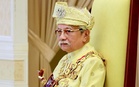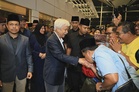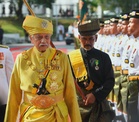
SEPTEMBER 23 — The present impasse in Negeri Sembilan must begin with one fundamental fact: Tuanku Muhriz ibni Almarhum Tuanku Munawir was duly elected, installed and recognised as the Yang di-Pertuan Besar of Negeri Sembilan.
His position cannot be displaced merely because it has subsequently been challenged. A lawful constitutional appointment continues until it is brought to an end through an equally lawful constitutional process.
The principal question is therefore not whether competing parties have made rival claims to the throne. It is whether the purported removal of the incumbent Yang di-Pertuan Besar was undertaken in strict compliance with Article 10 of the Laws of the Constitution of Negeri Sembilan 1959.
Article 10 does not confer an unrestricted or arbitrary power of removal. It prescribes particular grounds and requires a full and complete inquiry by the lawfully constituted Undangs. Where the Constitution also requires the concurrence of the Menteri Besar, that concurrence must be genuine, voluntary and lawfully given.
These are substantive constitutional safeguards, not procedural formalities.
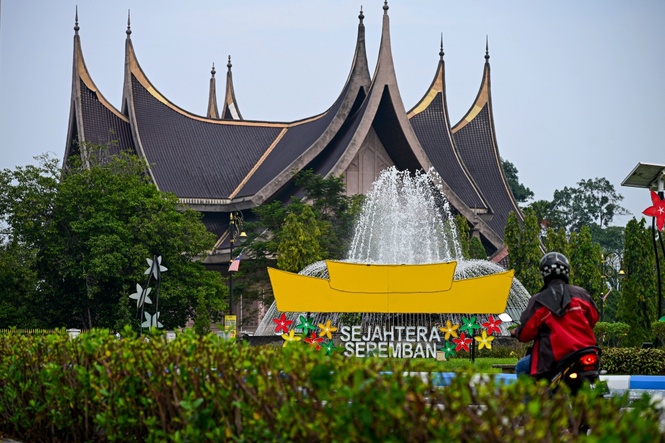
A view of Wisma Negeri in Seremban September 21, 2026. — Bernama picA full and complete inquiry must necessarily involve an examination of the allegations and supporting evidence. It must also satisfy the requirements of procedural fairness. The person whose constitutional position is at stake should know the case against him and be afforded a meaningful opportunity to answer it.
Several important questions therefore require authoritative determination:
Was a full and complete inquiry conducted before the proclamation was issued?
Was Tuanku Muhriz informed of the precise allegations and evidence against him?
Was he given a proper opportunity to respond?
Was the body making the decision lawfully constituted, and did every participant possess the legal authority to act?
Were the grounds specified under Article 10 established?
Was every required concurrence, including that of the Menteri Besar, freely and validly obtained?
These matters cannot be answered through political declarations or competing media statements. They must be established from the relevant notices, minutes, evidence, constitutional instruments and official records.
The burden must rest upon those asserting that the incumbent was lawfully removed. Until strict compliance with Article 10 is established, the duly installed incumbent cannot simply be treated as having lost his constitutional position.
Neither can a subsequent appointment cure an invalid removal. The appointment of a successor necessarily depends upon the prior existence of a lawful vacancy. If the removal of the incumbent was constitutionally defective, any purported succession founded upon that removal would likewise lack a valid constitutional foundation.
This is therefore not, at the outset, a contest between two claimants possessing equal constitutional standing. There was an existing and duly constituted Yang di-Pertuan Besar. The legality of the attempt to remove him must first be established before any question of lawful succession can arise.
Adat remains central to the distinctive constitutional identity of Negeri Sembilan. But where adat has been incorporated into a written Constitution, customary authority must be exercised consistently with that Constitution. Adat cannot be selectively invoked to avoid express constitutional safeguards, just as written law should not be interpreted without regard to the authentic adat from which these institutions derive their legitimacy.
On the facts presently made public, there are serious and unresolved doubts as to whether the requirements of due process were satisfied. It would therefore be unsafe and constitutionally improper for any political or administrative body to treat the validity of the purported removal as conclusively settled.
All parties should exercise restraint and refrain from taking further unilateral steps capable of prejudicing the final determination. The administration of Negeri Sembilan must continue according to law, without allowing the dispute to be converted into an instrument of political advantage.
The proper course is to place all relevant evidence before the competent judicial forum for an authoritative determination of the legality of the process. The court need not decide the wisdom of a customary decision. It must, however, be able to determine whether the body concerned possessed lawful authority, whether the constitutional conditions were fulfilled and whether the prescribed process was observed.
The dignity of the throne, the standing of the Undangs and public confidence in the State Government depend upon fidelity to the Constitution.
In a constitutional monarchy, power alone cannot create legitimacy. Legitimacy rests upon lawful authority, properly constituted institutions and due process faithfully observed.
* Tan Sri Syed Hamid Albar previously served as Malaysia’s foreign, home and law minister.
** This is the personal opinion of the writer or publication and does not necessarily represent the views of Malay Mail.