

The 2024 COP16 summit, hosted in Cali, Colombia from October 21 to November 1, is a major global event focused on biodiversity conservation. This is the first meeting following the adoption of the Kunming-Montreal Global Biodiversity Framework at COP15, where targets for 2030 and goals for 2050 were established to curb biodiversity loss and restore ecosystems.
COP16 aims to turn these commitments into actionable plans. Key goals include implementing the framework with a focus on accountability, integrating biodiversity into sectors like food, energy, and finance, and ensuring that developing nations and Indigenous communities have access to necessary financial resources. Colombia’s rich biodiversity, particularly its Amazon rainforest and diverse ecosystems, makes it a fitting host for this critical summit.
The event's theme, "Peace with Nature," highlights the need to harmonize human activities with environmental conservation, recognizing nature as integral to societal well-being and economic stability.
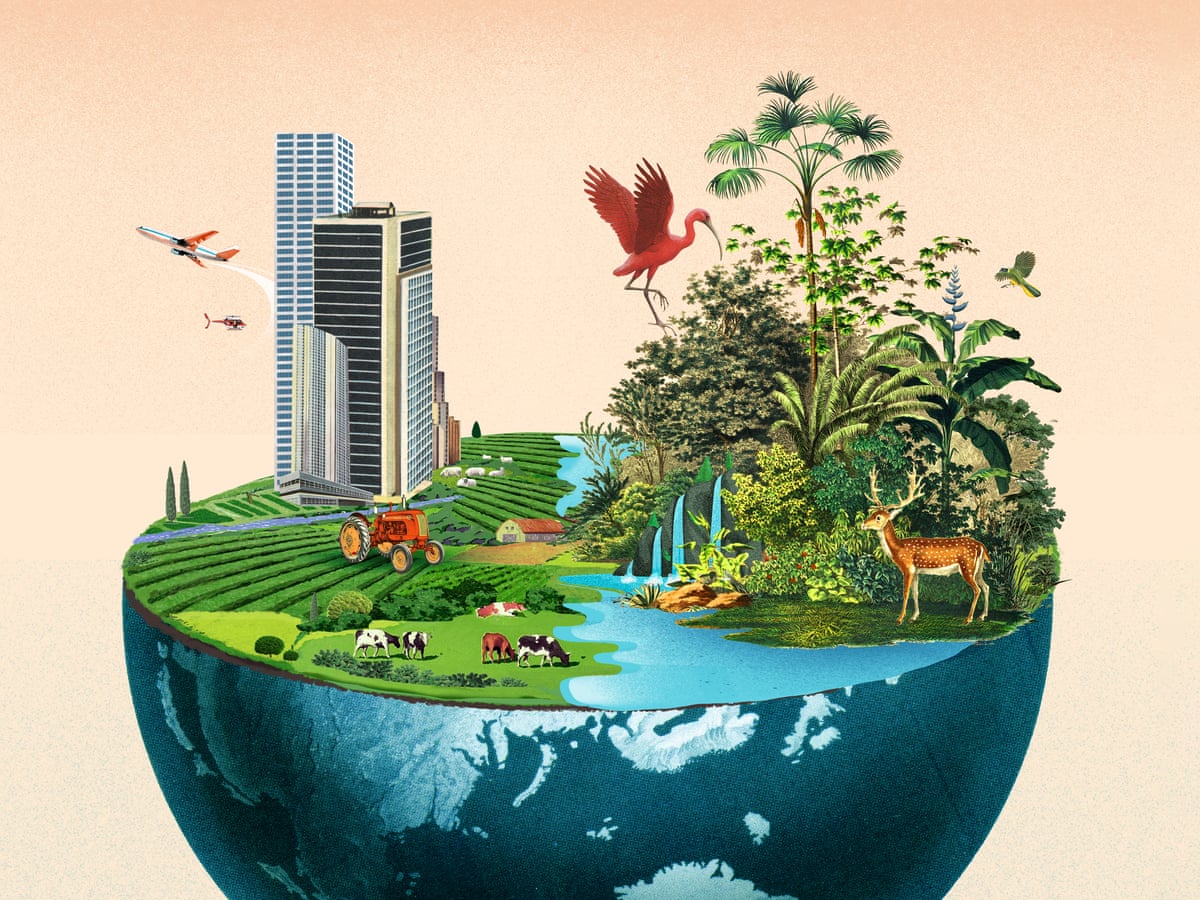
OUTLINE OF THE ESSAY
A newly published essay "Turning the Tide: Reducing Biodiversity Loss and Restoring Decimated Ecosystems," explores how individuals, communities, and institutions can contribute to a more sustainable future.
This deeper understanding of the outline provides clarity on each section’s key themes and how the report connects the causes, consequences, and solutions for biodiversity loss. It integrates scientific findings, policy recommendations, and practical examples to form a comprehensive blueprint for action.
"Turning the Tide: Reducing Biodiversity Loss and Restoring Decimated Ecosystems," published on October 14, 2024, is a call to action aimed at addressing the urgent crisis of biodiversity loss. It outlines the devastating impacts of human activities on ecosystems, such as deforestation, habitat destruction, pollution, and climate change, which have led to species extinction and ecosystem collapse.
The report emphasizes the critical role biodiversity plays in maintaining ecosystem services, such as clean air, water, food security, and climate regulation. It presents a range of solutions for reversing biodiversity loss, focusing on the restoration of habitats, sustainable agricultural practices, reducing pollution, and stronger environmental policies.
Key strategies include promoting reforestation, protecting marine life, and adopting renewable energy to mitigate environmental damage. It also stresses the importance of global cooperation, local community involvement, and strong governance to enforce conservation efforts.
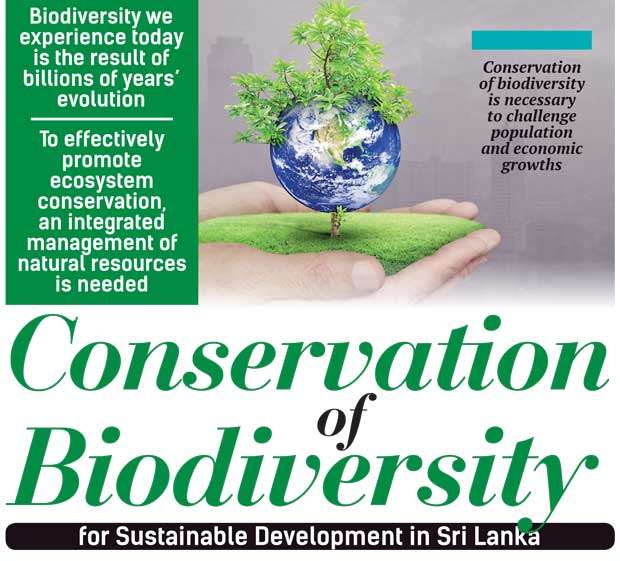
Through case studies, the report demonstrates successful biodiversity restoration initiatives and underscores the need for urgent action from governments, industries, and citizens to restore balance in ecosystems for the health of the planet and future generations.
Overview of the biodiversity crisis report sets the stage by highlighting the scope of biodiversity loss worldwide. This includes statistics on species extinction rates, the degradation of ecosystems, and the ripple effects on human life. Impacts of human activities on ecosystems: It stresses how deforestation, pollution, overfishing, and industrialization have devastated natural habitats. It also underlines that human-caused climate change accelerates these damages. There is an urgency which require immediate action to prevent irreversible losses, as many ecosystems are at tipping points.
IMPORTANCE OF BIODIVERSITY
The Importance of biodiversity ecological balance, ensures ecosystems function properly. Each species has a role, contributing to the resilience and productivity of ecosystems. Loss of biodiversity threatens this balance.
The report explains how biodiversity provides essential services—clean air, water filtration, pollination, and nutrient cycling—that sustain human life. The interconnection between biodiversity and food security, as well as climate regulation, is emphasized.
The consequences of biodiversity loss and species extinction impacts not only the environment but also human health (e.g., emergence of diseases due to disrupted ecosystems) and economies (e.g., loss of livelihoods in agriculture and fisheries).
MAJOR CAUSES OF BIODIVERSITY
Habitat destruction: The expansion of agriculture, urbanization, and infrastructure development is reducing natural habitats, causing species displacement and extinction.
Overexploitation: This section discusses how overfishing, illegal wildlife trade, and unsustainable resource extraction are depleting species faster than they can recover.
Pollution: Pollution, particularly plastic and chemical contamination, is choking marine life and poisoning ecosystems, while air and water pollution are altering natural cycles and degrading habitats.
Climate change: Global warming, rising sea levels, and extreme weather events are altering habitats faster than species can adapt, leading to ecosystem collapse.
Invasive species: These are non-native species introduced into new habitats, which often outcompete, prey on, or bring diseases to native species, disrupting ecological balance.
STRATEGIES FOR REDUCING BIODIVERSITY
Habitat Restoration:
Reforestation (replanting forests) and afforestation (planting trees in previously non-forested areas) are crucial for restoring forest ecosystems.
Wetland restoration aims to revive ecosystems that provide critical services, such as flood control and water filtration.
Reviving degraded lands: This involves restoring soils and landscapes damaged by human activities (e.g., mining, overgrazing).
SUSTAINABLE LAND AND WATER USE
Agroforestry integrates trees into agricultural landscapes, promoting biodiversity while maintaining food production.
Sustainable fisheries management ensures that fish stocks are not overexploited, protecting marine ecosystems.
Reducing Pollution:
Policies to reduce plastic and chemical waste: These range from bans on single-use plastics to promoting circular economy approaches.
Cleanup of polluted ecosystems: This includes initiatives like removing ocean plastics and remediating industrial waste in water bodies.
Transitioning to Renewable Energy: Moving away from fossil fuels is essential to reducing greenhouse gas emissions and mitigating climate change, which in turn helps protect ecosystems from climate-related stress.
Policy and Governance
Role of governments: Governments are called upon to enforce environmental regulations, such as protected area designations, restrictions on deforestation, and bans on harmful chemicals.
International cooperation: The report emphasizes that biodiversity loss is a global issue that requires collaborative international efforts. Treaties like the Convention on Biological Diversity (CBD) are highlighted as key frameworks.
Funding for conservation: This section discusses the need for financial support for biodiversity conservation, including funding mechanisms like green bonds and payments for ecosystem services.
CASE STUDIES OF SUCCESSFUL ECOSYSTEM
Examples: The report provides detailed case studies of regions where biodiversity has been successfully restored. For instance, countries that have reforested large areas or marine reserves that have seen fish populations rebound.
Key factors for success: Factors like strong governance, local community involvement, and the use of scientific knowledge are discussed as critical to the success of restoration efforts.
Lessons learned: The report identifies the most effective strategies from these case studies, offering guidelines on how they can be replicated elsewhere.
THE ROLE OF COMMUNITIES AND INDIVIDUALS
Community-based conservation: The involvement of local communities is key to the success of biodiversity projects. Indigenous peoples, with their traditional knowledge of ecosystems, often play a leading role in sustainable land management.
Citizen science: Engaging the public in scientific monitoring of biodiversity (e.g., reporting wildlife sightings) helps gather data and raise awareness.
Individual actions: The report encourages individuals to adopt eco-friendly practices like reducing waste, supporting sustainable products, and advocating for conservation policies.
The conclusion reiterates the urgency of reversing biodiversity loss before it is too late.Moral and economic imperative: Restoring biodiversity is not just an environmental necessity but also a moral responsibility to future generations and an economic need, as many industries rely on healthy ecosystems.
The report a roadmap for the future providing a vision for a future where biodiversity is restored, and ecosystems are resilient, but stresses that this will only be possible with a global, coordinated effort.
Source: https://bahaiworld.bahai.org/library/turning-the-tide/
K.T.Maran Social, Environmental & Animal Activist
K.T. Maran is a content creator under the Newswav Creator programme, where you get to express yourself, be a citizen journalist, and at the same time monetize your content & reach millions of users on Newswav. Log in to creator.newswav.com and become a Newswav Creator now!
The User Content (as defined on Newswav Terms of Use) above including the views expressed and media (pictures, videos, citations etc) were submitted & posted by the author. Newswav is solely an aggregation platform that hosts the User Content. If you have any questions about the content, copyright or other issues of the work, please contact Newswav.

