_1652931074_9592.jpg)
Will this trend of stealing copper come to ASIA in coming years
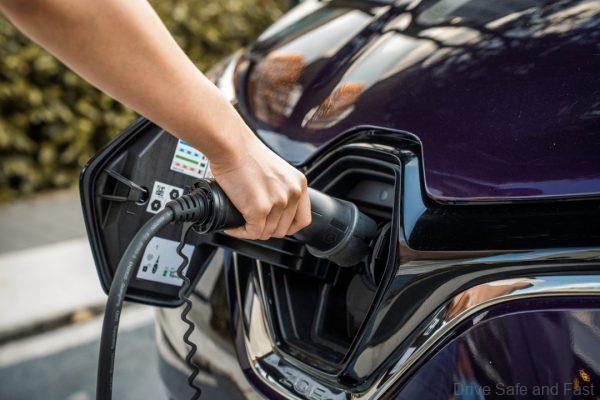
Bloomberg reported recently that back In 2024, nearly one in five US public charging attempts ended in failure, according to JD Power; roughly 10% of those aborted sessions were due to a damaged or missing cable. While some of the destruction is without agenda the same spray-paint and baseball-bat havoc that affects vending machines and delivery robots charging executives say much of the damage has a specific, profit-based motive: copper.
There have been similar reports of vandalism in Europe, and in May Instavolt Ltd. a UK charger operator warned of a crackdown on cord theft. But the mayhem comes at a particularly tough time in the US, where sales of electric cars are flagging. A reliable charging network is key to dousing drivers’ range anxiety, and charging companies are eager to disabuse EV-skeptical consumers of the notion that public stations are inconvenient, slow and often broken.
Vandalizing a public EV plug isn’t much more complicated than stealing a bicycle. Charging stations tend to be inconspicuous, tucked into the quiet corners of shopping centers and municipal parking lots. Almost all of them are unmanned, and cutting a cord can be as simple as severing it from the station with a hacksaw.
Vandalism is “front and center for us and has been really since the start of the year,” says Anthony Lambkin, vice president of operations at Electrify America, which manages about 1,000 charging stations in North America. In 2024 so far, vandals have cut 215 of the company’s cords, up from 79 in the year-earlier period.
Nationwide, charging executives say the issue is more pronounced in urban centers, with particularly consistent problems in Las Vegas, Seattle, and Oakland, California.
Many of these cord bandits are on the hunt for copper. The metal is a critical vein in the fast-growing circulatory system of public charging, and prices have roughly doubled since a nadir in early 2020. Construction, tech gadgets and the strengthening US economy at large are also driving up copper demand.
The profit motive is reflected in the nature of the vandalism, which is often more organized than opportunist. Groups of thieves will cut every cord in a station, taking it offline entirely. Electrify America has also seen copper wiring mined from its charging units, and from underground conduits. EVgo Inc., which operates nearly 1,000 US stations, has security footage of perpetrators wearing uniforms to make themselves look like utility workers or technicians.
One slow-charging cable, known as a Level 2 charger, contains about 5 pounds of copper; at the moment, that equates to about USD21. A Level 3 cord the kind found at fast-charging stations has about twice as much.
“The financial reward hardly justifies the risk and effort involved,” says Travis Allan, chief legal and public affairs officer at FLO.
For charging companies, the theft can add up quickly: Level 2 cords cost about USD700 apiece to replace, while fast-charging conduits can reach USD4,000. Most charger operators are working on technological solutions to minimize those costs, including automated surveillance.
The post Copper Thieves Vandalizing EV Charging Stations In America first appeared on DSF.my.