
1. Pregnancy and Childbirth: The Launchpad Costs

Before the baby even arrives, your wallet will start working. You will need to budget for prenatal check-ups, maternity wear, baby gear (stroller, car seat, cot), and the actual delivery.
Your biggest cost decision here is choosing between public and private healthcare.
- Government Hospitals (Klinik Kesihatan & Hospital Kerajaan): If you opt for government services, the cost is highly subsidised. A normal delivery can cost as low as RM50 to RM500.
- Private Hospitals: For private maternity care in the Klang Valley, a normal delivery in 2026 ranges between RM6,000 and RM10,000. If you require a C-section, prepare to pay anywhere from RM12,000 to RM20,000+.
2. Babyhood & Toddler Years (Ages 0 to 3)

This is the stage where "micro-expenses" sneak up on you. Formula milk, diapers, vaccinations, and clothes add up incredibly fast.
If both parents are working, childcare will likely be your biggest monthly expense.
- Nanny or Daycare (TASKA): In urban areas like Kuala Lumpur, Penang, or Johor Bahru, a registered daycare centre costs between RM1,000 to RM1,800 per month. A private nanny can easily cost RM1,800 to RM2,500 monthly.
- Daily Essentials: Breastfeeding saves money, but if you rely on formula, expect to spend RM200 to RM400 a month. Add diapers, baby wipes, and baby food, and that is another RM250 to RM400 monthly.
3. Preschool & Primary School (Ages 4 to 12)

Once your child hits age 4, formal education begins.
While government primary schools are practically free, the surrounding costs (school bus fees, uniform, books, canteen money, and after-school tuition) are not.
- Preschool/Kindergarten (Tadika): Private kindergarten fees range from RM400 to over RM1,500 per month depending on the curriculum.
- Extra-Curriculars & Tuition: To keep up with the competitive Malaysian syllabus, many parents send their children to tuition and music or martial arts classes. This easily averages RM300 to RM800 per month.
4. Secondary School (Ages 13 to 17)
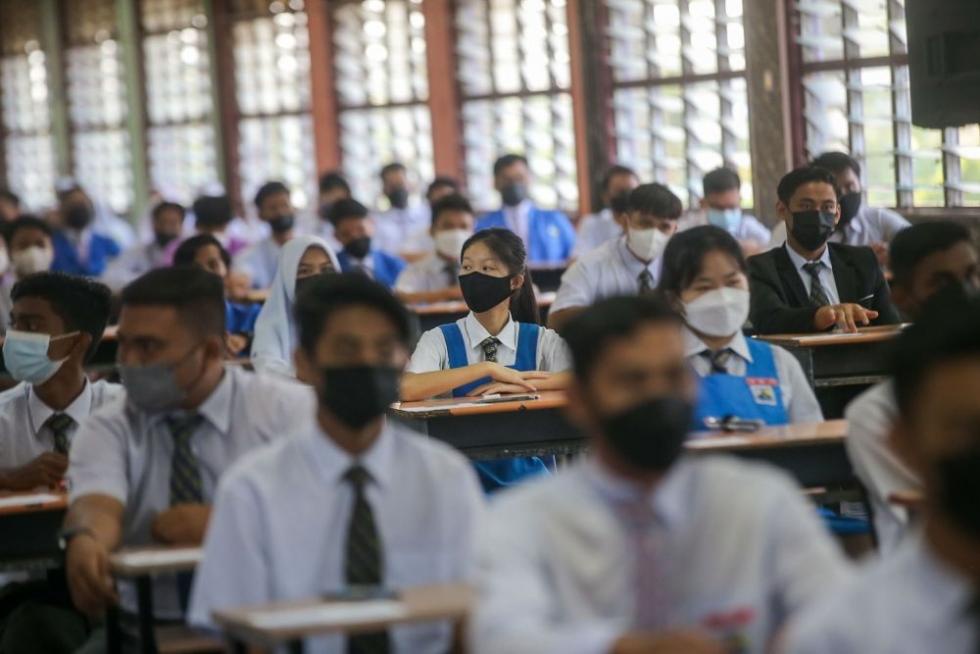
During the teenage years, food and lifestyle expenses rise. Your child will eat more, want cooler clothes, and require digital gadgets for schoolwork.
- The Tech Tax: In 2026, a laptop or tablet is a necessity for secondary school projects. This is a one-off cost of RM1,500 to RM4,000.
- Public vs. Private/International School: Sending your child to a government secondary school is highly affordable. However, if you choose a private or international school, tuition fees can range from RM15,000 to RM50,000+ per year.
5. Tertiary Education (Ages 18 to 22)
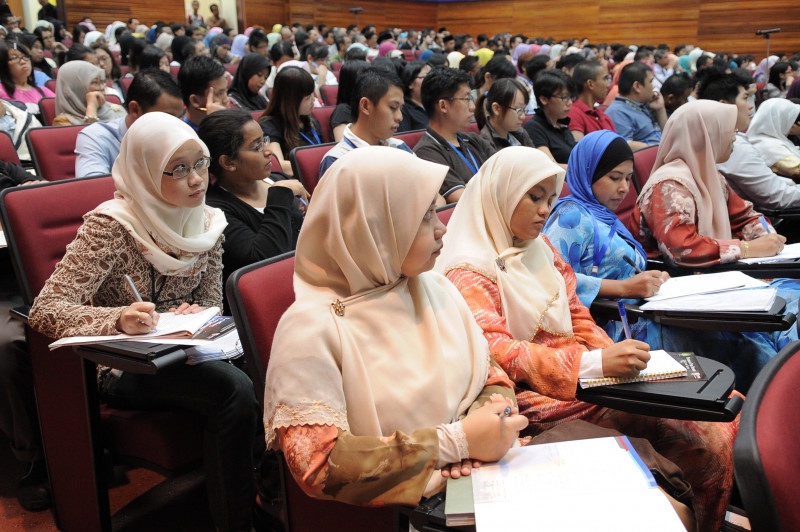
This is the final, most expensive hurdle. The cost here depends entirely on whether your child gets into a local public university (IPTA) or goes to a private institution (IPTS).
| Education Pathway | Estimated Cost Range (2026) |
|---|---|
| Public University (IPTA) | RM10,000 - RM25,000 (Total Tuition) |
| Local Private University (IPTS) | RM60,000 - RM150,000 (Total Tuition) |
| Overseas Education (UK/US/Australia) | RM350,000 - RM900,000+ (Total Cost) |
Do not forget to budget for your child's accommodation, food, and daily living expenses during their university years, which can easily cost RM1,000 to RM1,800 a month in major cities.
6. How Much Does It Total Up To?

If we accumulate all these expenses over 22 years, here is a realistic estimate of what you will spend per child in Malaysia:
- The Budget Route (Government schools + Public university): RM150,000 to RM250,000
- The Mid-Range Route (Private preschool + Public/Private school + Local private college): RM450,000 to RM650,000
- The Premium Route (International school + Overseas university): RM1.2 million to RM2.5 million+
7. Smart Ways to Prepare Your Finances
If those numbers gave you a bit of a shock, take a deep breath. You do not have to pay all of this at once. Here is how you can prepare:
- Start a Simpan SSPN Account Early: Open an SSPN-i or SSPN Prime account under the National Higher Education Fund Corporation (PTPTN). You can enjoy tax relief of up to RM8,000 per year while earning competitive dividends.
- Get Medical Insurance Immediately: Do not wait until your baby is sick. Get a comprehensive medical card during infancy to protect your savings from medical emergencies.
- Optimise Your EPF: Use EPF Akaun Sejahtera (formerly Account 2) strategically when the time comes to fund your child’s tertiary education.
8. FAQ Section
Q: What is the cheapest way to deliver a baby in Malaysia?
A: The most affordable option is utilising government hospitals (Klinik Kesihatan and Hospital Kerajaan). A standard, uncomplicated delivery costs under RM100, though you will need to prepare for longer waiting times.
Q: Is SSPN better than a regular bank savings account for my child?
A: Yes. Simpan SSPN offers a tax relief benefit of up to RM8,000 annually for parents, government-backed security, and competitive dividend rates that often beat standard fixed deposits.
Q: Can I use my EPF savings to pay for my child’s school fees?
A: You cannot use EPF to pay for primary or secondary school fees. However, you can withdraw from your EPF Akaun Sejahtera (Account 2) to pay for your child's tertiary education (diploma, degree, or higher) at approved local or international institutions.
Q: How much cash buffer should I have before the baby is born?
A: It is highly recommended to have a cash emergency fund of at least RM10,000 to RM15,000 specifically set aside for maternity and immediate postpartum expenses, even if you plan to use a government hospital.
9. Summary (TL;DR)
- Delivery costs in Malaysia range from RM50 (public) to RM15,000+ (private C-section) in 2026.
- Childcare is the highest ongoing cost for working parents, averaging RM1,000 to RM2,000 per month in urban areas.
- The lifetime cost of raising one child to adulthood in Malaysia ranges from RM150,000 on a budget to over RM1 million for premium lifestyles.
- Early planning via Simpan SSPN, child medical cards, and smart budgeting can significantly ease the financial burden.
10. Conclusion

Raising a child is undoubtedly a huge financial commitment, but it is also one of life's most rewarding journeys. The trick to surviving the financial stretch is starting your planning early. You do not need to be a millionaire to raise a happy, healthy kid—you just need a solid financial game plan.
Compare your savings and personal loan options with Loanstreet’s calculators to see which options give you the best deal to secure your family's future.
