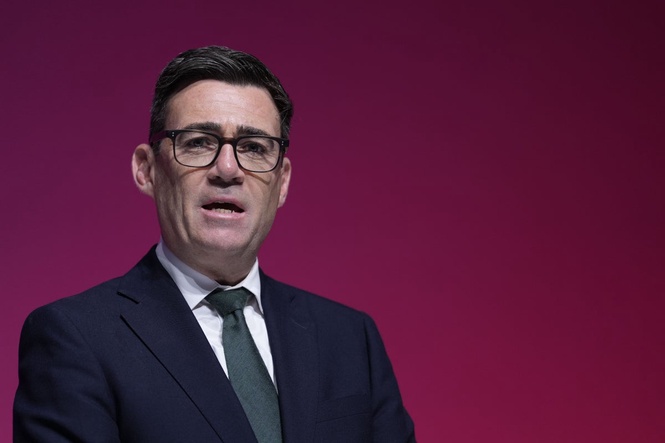
The UK’s Brexit debate has been reopened once again after Andy Burnham used his first speech as prime minister at his party’s conference to suggest Britain could rejoin the bloc.
The prime minister last week acknowledged he could go “all the way” and propose rejoining the EU as he considers the UK’s future relationship with Brussels. He also suggested it is “possible” Labour’s next election manifesto could include an in-out referendum.
The Independent has led the campaign for Britain to rebuild its relationship with Brussels based on clear evidence that it has damaged the economy and failed to deliver promised benefits on a wide range of issues including immigration.
But how exactly would Britain rejoin the EU? Here, The Independent takes a look at the process for doing so, and how easy – or difficult – it would be to get the public on side.
Where do UK-EU relations currently stand?
Labour has been on a mission to rebuild relations with the EU since it came into power in 2024, with the prime minister most recently suggesting that Labour could revisit the issue in a future manifesto.
At his first Labour conference as prime minister, Mr Burnham said it was not “about leaping to a referendum” as he seeks to find a political consensus on the UK’s future relationship with Brussels.
But, he said, if public opinion is “pointing towards” backing re-entry into the bloc, he could commit to holding a vote on the issue in the next manifesto.
He also declined to rule out skipping a referendum and fighting the next general election on a promise to rejoin.
The prime minister, who has blamed Brexit for a decade of drift and division, has declared it was “not good enough” simply to leave the issue “hanging” and vowed to look at the “pros and cons” of all options regarding the UK’s future relationship with Brussels.
Before entering Downing Street, Mr Burnham had said he wanted to see the UK back in the EU within his lifetime.
Asked on Sky News whether he stood by that, he said: “I said in my lifetime and I’ve said that I’m not going to pull back from that.”
His comments come ahead of what is expected to be a major EU summit later this year, as the government seeks to strike a deal with the bloc.
Mr Burnham’s predecessor Sir Keir Starmer entered office on a promise to “reset” relations with the EU and rebuild ties with the bloc following years of tense relations under successive Tory governments. This has been broadly successful, with EU-UK relations at a much stronger point than they were previously.
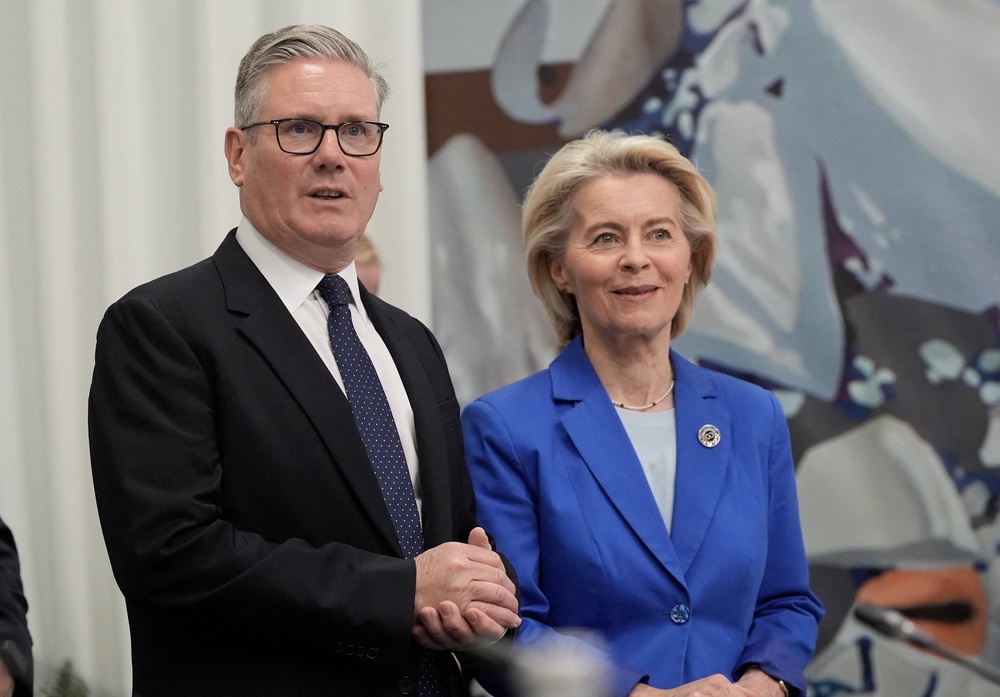
In 2025, the prime minister signed a wide-ranging deal with the bloc which the PM said would deliver cheaper food and energy to the UK, and Britain has also rejoined the EU’s Horizon science programme – which was initially agreed under the last government – and has agreed to join the Erasmus+ programme for educational exchanges from next year.
However, sticking points on talks with the EU remain. For example, tense negotiations are still ongoing over plans for a youth mobility scheme, which could allow limited freedom of movement for young British people to live and work in the EU (and vice versa).
The EU has so far been clear that the closer the UK is to get to the EU, the more it must adopt EU rules and regulations – some of which would go against the government’s red lines, and have sparked criticism from Reform UK and the Tories, who claim ministers are attempting to unpick Brexit.
The primary reason for the ongoing sticking points is Labour’s “red lines” – which include no return to the customs union, no return to the single market, and no return to freedom of movement.
Would the EU let the UK return?
The European Union has always been clear that the UK would be allowed to rejoin the bloc should it want to.
Germany, France and Spain all said the EU would welcome Britain back in the days following Mr Burnham’s conference speech.
French president Emmanuel Macron saying it would be “excellent news’ and “a good decision” if Britain decided to rejoin, while Spain’s prime minister Pedro Sanchez said Britain would be welcome back to the EU "with open arms".
However, it is unlikely that the UK would be allowed to rejoin the bloc on the same terms it had before.
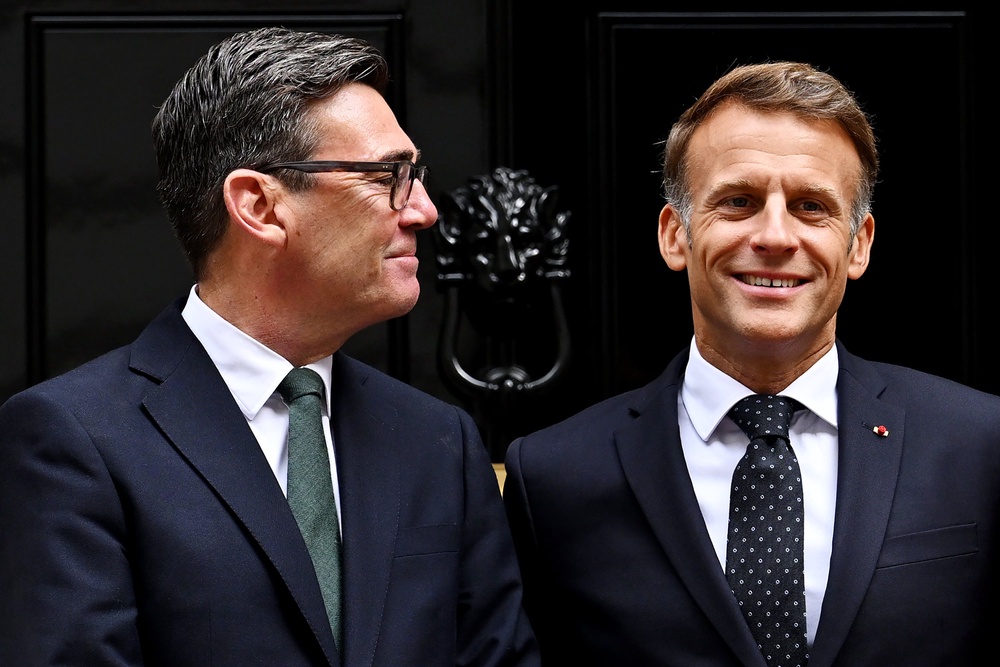
Mr Macron has warned there would be no halfway house on membership requirements and former EU Brexit officials have previously warned that the UK would not enjoy “exceptional” terms if it decided to rejoin the EU.
The UK may have to join the Euro if it wanted to return, join the Schengen passport-free zone, and it would be unlikely to get the rebate it negotiated previously.
The UK rebate was a financial mechanism negotiated by Margaret Thatcher in 1984, reducing Britain’s EU budget contribution by around 66 per cent.
Would the public support rejoining the EU?
Almost half of all UK voters support rejoining the European Union, according to a recent poll.
Rejoining the EU was favoured by 49 per cent of 11,461 people polled by the Messina Group, compared to the 28.5 per cent against, as reported in The Guardian.
The poll also found that renegotiating the UK’s relationship with the EU could boost Labour’s vote share by as much as seven points, with most votes shifting from the Greens and Liberal Democrats for all scenarios that resulted in closer ties.
The poll looked at a number of options for relationships with the UK. The second most popular was to keep the existing relationship but cut as many trade barriers as possible with 48.2 per cent showing support and 20.9 per cent against.
A customs union came next – as called for by former Tory Chancellor George Osborne during an interview with The Independent earlier this month – with 47.1 per cent in favour and 20.7 per cent not, according to the report.
Holborn and St Pancras by-election live: Voting opens in big test for Burnham
What time is the Holborn and St Pancras by-election announced?
UN weather body provides update on when El Nino will peak – and end
UK welcome to rejoin EU ‘anytime’, French minister says as Burnham visits Berlin
Badenoch revives one of the Tories’ most popular policies – but is anyone listening?
UK households left thousands of pounds worse off due to cost-of-living crisis