The Supreme Court is expected to issue a major ruling in the coming days on birthright citizenship, a long-standing American policy that has become one of the biggest immigration flashpoints in the country’s political debate.
The decision could reshape more than 150 years of legal precedent and determine whether children born on U.S. soil automatically become American citizens.
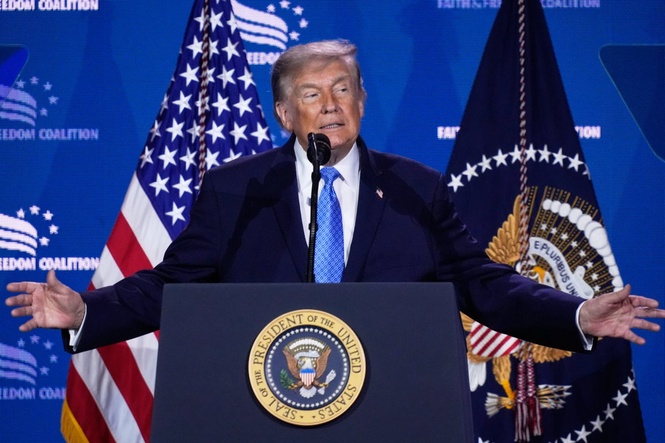
President Donald Trump has made ending birthright citizenship a central part of his immigration agenda, repeatedly calling the policy “a disgrace.” His senior adviser Stephen Miller described it on X as “the gravest and most preposterous of all constitutional abominations,” while Vice President JD Vance called it “the dumbest immigration policy in the world.”
Trump has also repeatedly claimed that the United States is the only country that grants citizenship based on birthplace — a claim that is false.
Birthright citizenship is rooted in the 14th Amendment, which was ratified in 1868 after the Civil War. The amendment was created in part to guarantee citizenship rights for formerly enslaved people and established that anyone born in the United States is a citizen, as long as they are “subject to the jurisdiction” of the country.
The Supreme Court later expanded that interpretation in the landmark 1898 case United States v. Wong Kim Ark, ruling that children born in America to immigrant parents were entitled to citizenship.
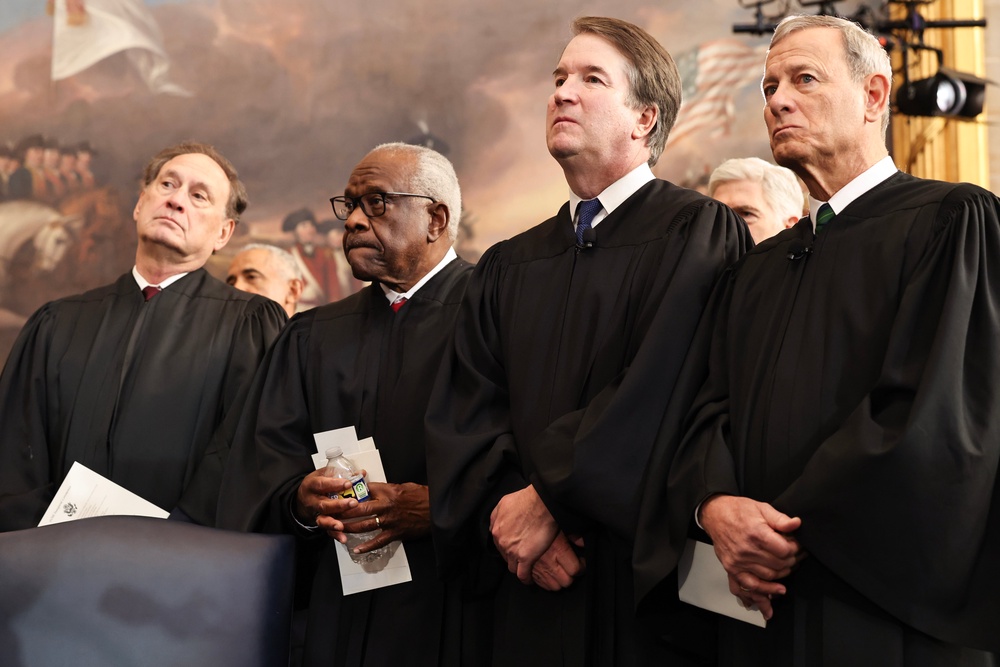
Since then, courts have consistently upheld the principle that birth in the U.S. generally determines citizenship, regardless of whether a child’s parents are citizens, legal residents, or in the country temporarily.
For decades, the issue was largely settled in American law. That changed after Trump made immigration one of the defining issues of his political career.
Trump argues that birthright citizenship encourages illegal immigration by creating what he calls a “magnet” for people entering the country. His administration has also pointed to so-called “birth tourism,” where some foreign nationals travel to the U.S. to give birth.
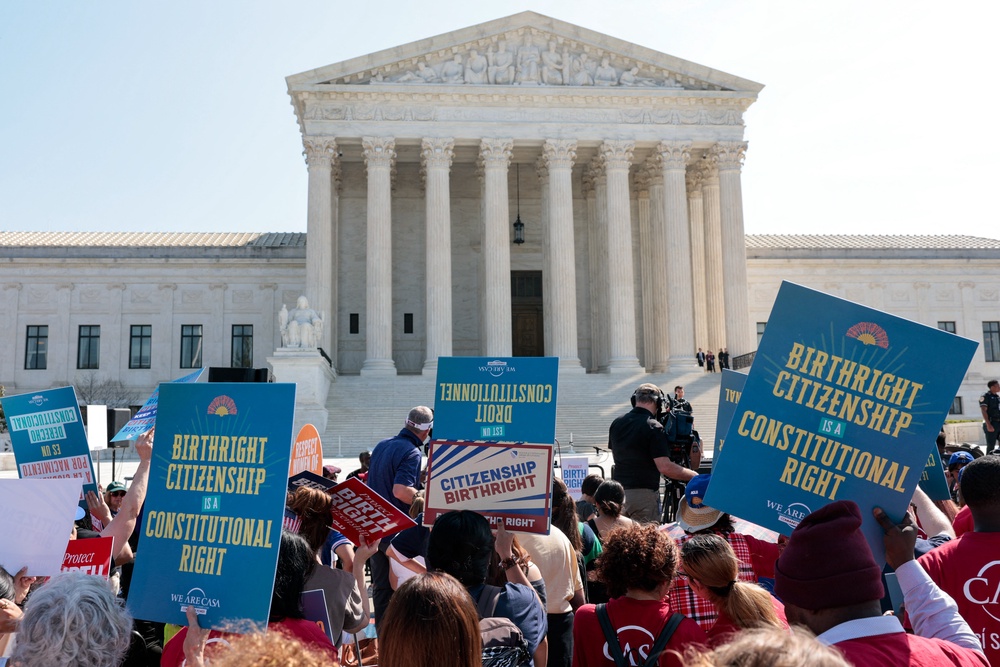
The legal battle centers on the wording of the 14th Amendment, particularly the phrase “subject to the jurisdiction thereof.” Trump’s lawyers argue that the phrase allows the government to deny citizenship to children born to people who are in the country illegally — an interpretation that many constitutional scholars dispute.
During Supreme Court arguments in April, some conservative justices also appeared skeptical of the administration’s position, questioning whether the government’s interpretation of the amendment could hold up.
Trump’s claim that the U.S. is the only country with birthright citizenship is also inaccurate. While many countries base citizenship primarily on ancestry or parental nationality, dozens of nations — especially across North and South America — grant citizenship to people born within their borders. Canada and Mexico are among the countries that follow this approach.
Other nations, including Germany and Australia, use a mixed system that considers factors such as birthplace, parental citizenship, residency, or other requirements.
The Supreme Court’s upcoming decision involves a Trump executive order seeking to restrict birthright citizenship. The ruling could have major consequences for immigration policy and the legal definition of what it means to be an American citizen.
Speaking recently about the case, Trump said the outcome was in the hands of the justices.
“It’s all up to a couple of people. I hope they do what’s right,” he told reporters.
The ruling is expected to become one of the most consequential immigration decisions in modern U.S. history.