THE Department of Agriculture (DA) on Sunday said it has launched with the Overseas Workers Welfare Administration (OWWA) a program to help returning overseas Filipino workers (OFWs) transition to agriculture and agribusiness ventures.
The Balik Agri-OFW Agribusiness and Investment Reintegration Program offers support, from identifying business opportunities and preparing business plans, to securing financing and finding markets.
The initiative responds to President Ferdinand Marcos Jr.’s call in his 2026 State of the Nation Address to help returning OFWs rebuild their livelihoods.
Participants will undergo training tailored to their chosen ventures and receive assistance in developing business proposals based on the DA’s investment guides. Options include raising native pigs, native chickens and ducks; growing and processing oyster mushrooms; producing lowland vegetables; and other agricultural and processing enterprises.
The DA will also facilitate access to financing through the Agricultural Credit Policy Council and OWWA’s livelihood and grant programs, subject to eligibility requirements.
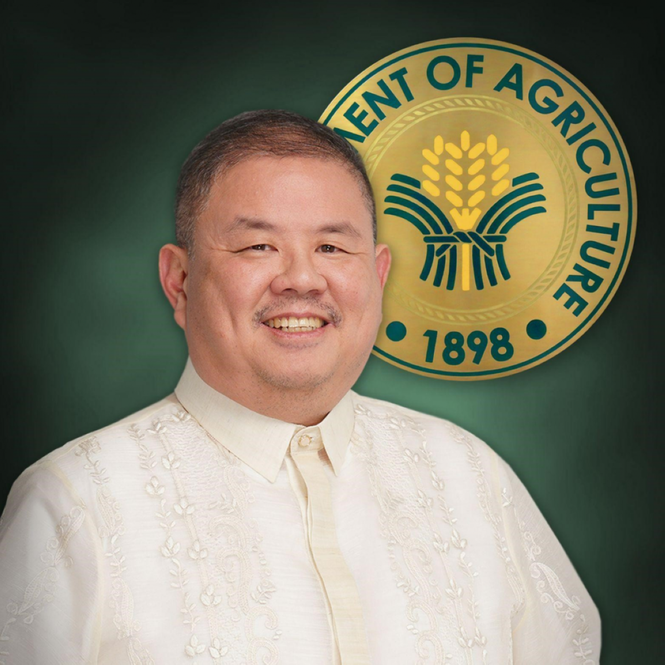
Agriculture Secretary Francisco Tiu Laurel Jr. said the program would provide OFWs with the knowledge, technical assistance and financing opportunities needed to develop sustainable agribusinesses.
“We want to make our beloved OFWs realize that they have income and livelihood opportunities in agriculture,” he said.
The DA cited a 2024 study showing that, among returning OFWs who became self-employed, 50.5 percent engaged in selling products, 22.5 percent entered food-related businesses, and 17 percent pursued farming, fishing or poultry production.
The findings show that agriculture is among the livelihood options pursued by returning workers, although retail and food businesses account for larger shares.
Assistant Secretary for Agribusiness Genevieve Velicaria-Guevarra said the initiative aims to encourage OFWs to view agriculture as a business and investment opportunity.
The DA and OWWA will promote the program through forums such as Usapang Agribiz and engagements with OFW communities, particularly workers preparing to return to the Philippines.