Ebola will spread like Covid and could reach the UK if all continents don’t take appropriate action, a top health expert has warned.
The deadly outbreak caused by the rare Bundibugyo strain of the Ebola virus has surpassed 10,000 cases with almost 5,000 deaths across four African countries.
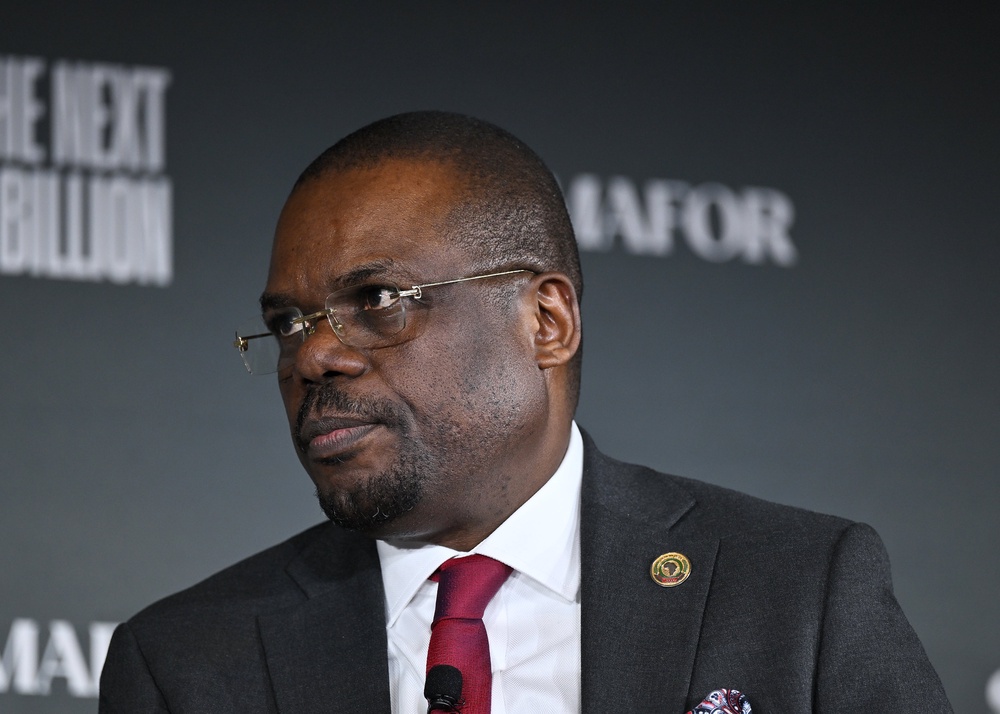
Dr Jean Kaseya, director general of the Africa Centres for Disease Control and Prevention (CDC), compared the rapid spread of the disease to Covid-19, which started in China before spreading worldwide in 2020, taking millions of lives.
“We shouldn’t forget that at the beginning of Covid, many countries said there was zero risk of being affected, but a few months later, they became the hotspot,” he said. “We don’t want to see the UK and other countries become the hotspot.”
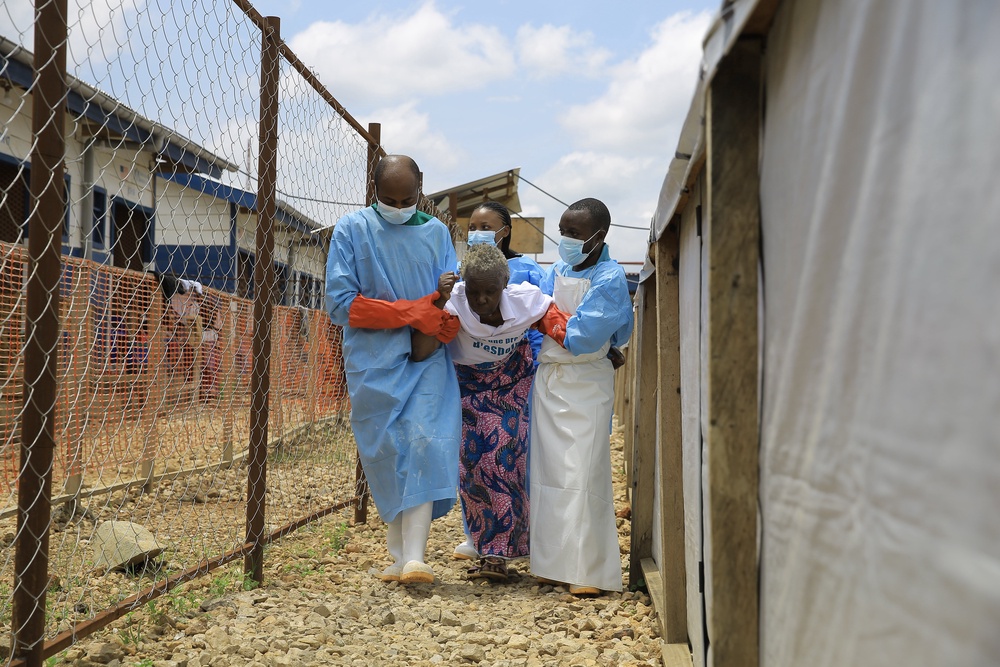
The outbreak started in mid-May and has since become the largest and deadliest in the Democratic Republic of Congo, surpassing a 2018-2020 epidemic.
Earlier this month, Kenya reported its first case and went on to announce nine cases in total, after a man who had travelled from Congo via Uganda died in Nairobi. Last week, Nigeria became the fourth African country to report an Ebola case.
France is the only country outside the African continent to have a confirmed a case of Ebola in this outbreak, after a doctor returned from DR Congo in June.
Dr Kaseya stressed that all countries globally need to take action and be prepared for the possible spread of Ebola, The Guardian reported.
“We want all countries to know that they are not safe if they don’t take appropriate measures,” he said.
“Each country, not only in the African region, but all continents, must now increase the preparedness level and the possibility for treatment.
“It is the first time three African regions have been affected [by Ebola]. The geographic extension of this outbreak is unprecedented,” he said.
Ebola was first discovered in DR Congo in 1976, making this outbreak the 17th in the country.
The current Ebola outbreak is of the Bundibugyo strain, which has a fatality rate of between 21 per cent and 50 per cent. Symptoms include muscle aches, high temperature, headache and sore throat, as well as vomiting and diarrhoea.
It is spread through direct contact with body fluids, such as the blood or vomit of infected people, or dead bodies.
There is no cure for the virus but scientists at Oxford University are working urgently to develop a vaccine, which could be used in the case the virus spirals out of control.
Ongoing conflict in the region caused a mass displacement of people making it harder for health workers to control. But Dr Kaseya is set to call for a “corridor of peace” in the conflict areas at a meeting in November with African heads of state in hopes of uniting to control the disease.
He has also called on international donors from the US, UK and the EU to help fund the response. He explained governments have pledged $3bn (£2.3bn), but that more than $2bn was still outstanding and African countries had committed $120m.
Read MorePhotos show Congo’s fight against Ebola as cases surpass 10,000
Trump is after Africa’s minerals. Could the continent benefit from cashing in?
Congo’s Ebola outbreak tops 10,000 cases as authorities race to slow the spread in African countries
Marra urges Scottish Government to pass on UK energy bill payment
What a slowing economy means for Brits as UK growth forecast cut to 1%