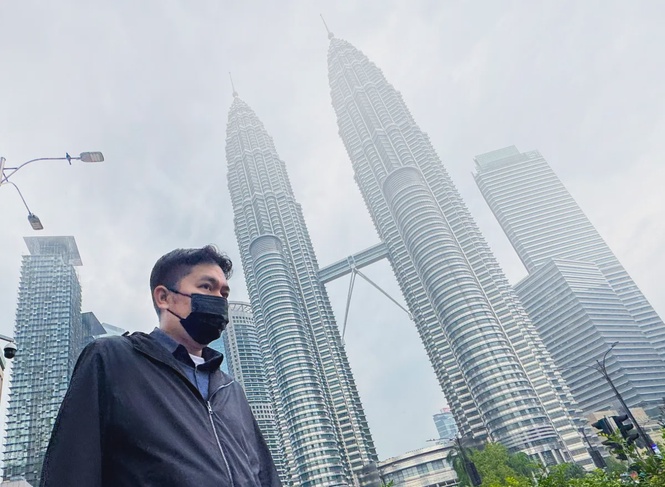
THE effects of haze can begin before someone feels seriously unwell. Many people only associate haze with coughing or difficulty breathing. In reality, some of the first signs may appear in the eyes, nose and throat: Burning or watery eyes, sneezing, nasal irritation, dry throat, headaches or an unusual feeling of tiredness. These seemingly minor symptoms should not simply be ignored when air quality remains poor for several days.
Why haze affects more than just your lungs
Haze contains extremely fine airborne particles that can be inhaled deep into the respiratory system. During haze episodes, people may experience burning, itchy, red or watery eyes, runny or blocked nose, frequent sneezing, nasal dryness or irritation, post-nasal drip, dry, scratchy or sore throat, coughing, headache or dizziness, fatigue and tiredness, chest tightness, wheezing and shortness of breath.
People who already suffer from asthma, chronic respiratory diseases or cardiovascular conditions may experience worsening of their existing symptoms. Children, older adults, pregnant women and individuals with chronic illnesses should therefore take additional precautions.
1. Check API before deciding how much time to spend outdoors
Malaysians are advised to check the API as part of their daily routine during haze periods, particularly before exercising, sending children outdoors or planning prolonged outdoor activities. When API readings move into the unhealthy range, unnecessary outdoor activity should be reduced.
People should also avoid strenuous outdoor exercise because heavier breathing causes a person to inhale a larger volume of polluted air.
Going for a run during a haze is different from simply walking from your car into a building. When you exercise, you breathe faster and deeper, which means you can potentially inhale more pollutants.
For children, the elderly, pregnant women and people with existing respiratory or heart conditions, outdoor exposure should be reduced even further when air quality deteriorates.
2. Not every mask provides same protection against haze
A common misconception during haze periods is that any face mask provides adequate protection. Surgical masks may reduce exposure to larger droplets, but they do not provide the same filtration and facial seal as a properly fitted particulate respirator.
For adults who need to spend time outdoors during significant haze, an appropriately fitted particulate respirator, such as an N95, may offer better protection against fine airborne particles. However, masks must be worn correctly. A good mask that is not worn properly will not provide the protection people expect. Air should not be constantly leaking around the sides of the mask.
People with heart or respiratory conditions who experience significant breathing discomfort while wearing a respirator should seek professional advice.
3. Your eyes may be one of the first organs to react
Haze particles can irritate the ocular surface of the eye, resulting in dryness, redness, burning, itchiness and excessive tearing. People who wear contact lenses may notice greater discomfort during prolonged periods of poor air quality.
Avoid rubbing irritated eyes because rubbing may worsen inflammation. Where appropriate, lubricating eye drops can help relieve dryness and irritation. Contact lens users experiencing significant irritation should consider reducing lens-wearing time and using spectacles temporarily where practical.
If your eyes are already irritated, continuing to wear contact lenses for many hours may make them feel even more uncomfortable.
Persistent eye pain, severe redness, unusual discharge or changes in vision should be assessed by a healthcare professional.
4. Don’t ignore your nose in haze season
The nose acts as one of the body’s first filters against particles entering the respiratory system. During prolonged exposure to dry or polluted air, some people may develop nasal dryness, irritation, frequent sneezing or a blocked or runny nose. For individuals prone to allergic rhinitis or sinus-related symptoms, haze may aggravate existing nasal discomfort.
Individuals who normally use prescribed allergy or nasal medications can continue using them according to their doctor’s or pharmacist’s instructions.
Saline nasal products may also be useful for some people to help moisturise or cleanse the nasal passages. For people experiencing significant nasal dryness, pharmacists may recommend appropriate nasal moisturising or nasal wash products depending on the individual’s condition. Repeated nosebleeds, severe sinus pain, breathing difficulty or persistent symptoms should not simply be self-treated indefinitely.
5. Dry throat, coughing do not always mean you have caught an infection
Another common complaint during haze is a dry or irritated throat.
Airborne pollutants can irritate the throat and respiratory tract, causing coughing, scratchiness or throat discomfort even when there is no infection. Staying adequately hydrated may help relieve throat dryness. People should also avoid smoking and second-hand smoke during haze episodes because this creates an additional respiratory burden.
Your respiratory tract is already being exposed to polluted air. Adding cigarette smoke on top of that can further irritate the airway.
6. Asthma patients should not wait until breathless
People with asthma need to be especially careful. Haze exposure may trigger coughing, wheezing, chest tightness or difficulty breathing. Patients should ensure that their regular asthma medicines and prescribed inhalers are available and have not expired. Maintenance medication should continue according to the treatment plan given by their healthcare provider.
Asthma patients should not wait until symptoms become severe before taking action. If you notice that you are using your reliever inhaler significantly more often than usual, waking up at night because of breathing difficulty or experiencing persistent wheezing, it may be a sign that your asthma is becoming poorly controlled. These patients should seek medical review.
7. People with heart and lung conditions require extra protection
Haze exposure can place additional stress on individuals living with chronic illnesses, especially those with conditions such as asthma, chronic obstructive pulmonary disease, heart disease, diabetes and chronic respiratory conditions.
People with heart and lung conditions should reduce unnecessary exposure and continue taking their regular medicines as prescribed.
Family members and caregivers are advised to pay particular attention to elderly individuals living alone. Sometimes, older adults may not describe their symptoms clearly. Family members should look out for unusual breathlessness, extreme tiredness, dizziness or reduced activity.
8. Improve air inside your home as well
Staying indoors can reduce exposure, but indoor air quality still matters. During significant haze, households can:
- Keep windows and doors closed where practical.
- Avoid unnecessarily bringing polluted outdoor air inside.
- Use air-conditioning in recirculation mode where appropriate.
- Consider using an air purifier equipped with an appropriate particulate filter.
- Avoid creating additional indoor pollutants from cigarette smoke or other sources.
9. Hydration is simple, but still important
People should maintain adequate fluid intake throughout the day. Haze periods are often accompanied by hot and dry conditions, which may make throat and nasal discomfort feel worse.
Water is generally the simplest option.
Individuals with conditions that require fluid restriction, such as certain heart or kidney diseases, can follow their doctor’s recommended fluid intake rather than simply increasing water consumption significantly.
10. Do not rely on supplements as your main ‘haze protection’
Consumers are cautioned against believing that vitamins, supplements or so-called detox products can replace basic exposure-control measures.
The priority is still reducing exposure, monitoring API, using appropriate protection when necessary, maintaining your prescribed medicines and recognising symptoms early.
A balanced diet containing fruits, vegetables, protein and adequate fluids continues to support general health, but there is no substitute for reducing exposure to polluted air.
11. Know when it is no longer something to manage at home
Most mild haze-related irritation may improve once exposure is reduced. However, some symptoms require prompt medical attention. Seek medical care if you or a family member experiences difficulty breathing, persistent wheezing, severe chest tightness or chest pain, bluish lips or fingertips, severe dizziness or fainting, confusion, persistent vomiting, severe or worsening asthma attack, or symptoms that continue to worsen despite staying indoors and using prescribed medication.
Parents should seek medical attention promptly if a child appears unusually breathless, lethargic or unable to speak, eat or drink normally because of breathing difficulty.
This article is contributed by Alpro Pharmacy pharmacist, community & primary care strategist Kek Jin Er (Laura).