
Table of Contents
Early symptoms, such as personality changes, often dismissed as ‘normal ageing’
When most people think about dementia, forgetfulness is usually the first symptom that comes to mind. Misplaced keys, repeated questions and forgotten names are often seen as classic signs of ageing.
But according to experts, dementia is a complex condition that can present in different ways. While poor memory is still the most common early symptom, some individuals may also show subtle personality shifts, emotional changes and distressing behaviours in the earlier stages.
From paranoia and hallucinations to sudden aggression or social withdrawal, these lesser-known symptoms can place enormous emotional strain on families, especially when they are misunderstood or dismissed as “normal ageing”.
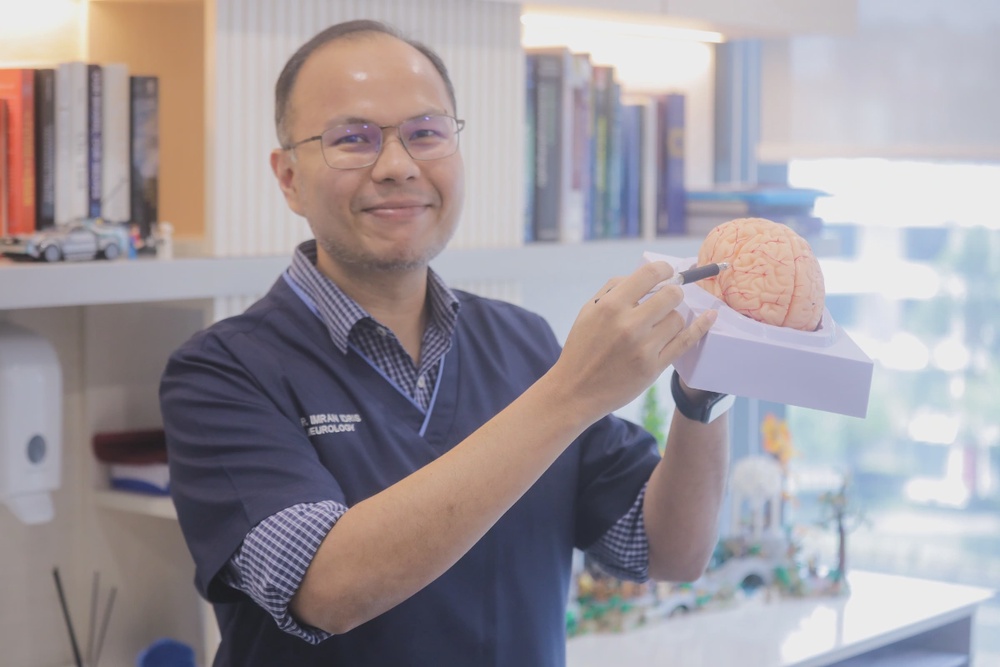
Sunway Medical Centre, Sunway City (SMC) consultant neurologist Dr Mohamad Imran Idris said the public’s understanding of dementia remains too narrowly focused on memory problems alone.
“The idea of dementia just being related to memory is too narrow to fit the current definitions of dementia.
“What we know is that when you have somebody with dementia, they can have problems not just in terms of memory, but also language, attention span and behaviour,” he told theSun.
When personality changes become an early warning sign
One of the lesser-known signs of dementia can be sudden and unusual changes in behaviour. Imran explained in conditions such as frontotemporal dementia, a person’s personality may shift dramatically due to changes occurring in the brain.
“Someone who is usually very introverted may suddenly become extremely extroverted, to the extent that it becomes inappropriate.
“They may start striking up conversations with strangers or asking very personal questions,” he said.
Other individuals may develop psychiatric symptoms such as hallucinations, paranoia or false accusations.
“Some people may begin to believe others are stealing from them. For instance, if they keep forgetting where they placed their wallet, they may accuse family members or neighbours of theft,” he added.
These behavioural and psychological symptoms of dementia – often referred to as BPSD – can become deeply distressing for patients and caregivers.
On the other hand, SMC consultant geriatrician Dr Edward Chong Kah Chun said symptoms can include agitation, anxiety, depression, delusions and frightening hallucinations.
“Sometimes they may see children, animals or even deceased relatives. These symptoms rarely occur alone.
“A person may experience depression together with paranoia or anxiety together with hallucinations,” he explained.
Why dementia is often diagnosed too late in Malaysia
Despite growing awareness around mental health and ageing, dementia is still frequently diagnosed late in Malaysia.
Imran said many families continue to mistake early symptoms for ordinary ageing.
“In many cultures, forgetfulness is simply accepted as part of growing old. It is not viewed as a disease in the same way people think about stroke, Parkinson’s disease or heart attacks,” he said.
Stigma also remains a major barrier. While many people casually joke about having poor memory, Imran noted that reactions often change once symptoms become more serious.
“When formal testing is suggested, people may avoid seeing a doctor because they are afraid of what the diagnosis could mean,” he said.
As a result, many patients only seek help after symptoms have significantly affected daily functioning, relationships or safety. Unfortunately, delayed diagnosis can limit treatment options.
“Contrary to popular belief, it is not true that we cannot do anything for dementia. If we diagnose dementia early enough, there are interventions that may help slow progression or even reverse certain causes depending on the diagnosis,” Imran stressed.
Dementia begins long before symptoms appear
One of the biggest misconceptions surrounding dementia is that the condition only begins once memory problems become noticeable. In reality, changes in the brain may begin decades earlier.
Imran explained protein known as amyloid can accumulate in the brain many years before symptoms emerge.
“Studies have shown people may already have brain damage up to 20 years before they begin complaining of poor memory.
“Advances in medicine now allow doctors to use biomarkers – measurable biological indicators – to detect early changes linked to dementia through blood tests, spinal fluid analysis and specialised brain scans. These biomarkers help us distinguish between normal ageing and disease processes in a more objective way,” he said.
Hidden burden carried by caregivers

While dementia affects patients directly, its impact on caregivers can be equally overwhelming. A 2023 systematic review published in the Malaysian Journal of Medicine and Health Sciences found caregivers of people living with dementia commonly experience moderate to high levels of burden, particularly when behavioural symptoms are severe and social support is limited.
Chong said caregiving fatigue is especially common in Asian households where caring for elderly family members is often viewed as a personal or cultural responsibility.
“In the Asian context, caregiving is still very much seen as a family duty. Most commonly, it is spouses, daughters or daughters-in-law who become the primary caregivers,” he said.
The emotional toll often goes beyond physical caregiving tasks.
“What really drives caregiver stress is not just feeding or bathing someone. It is the emotional toll of difficult behavioural symptoms. Some patients may scratch, hit or become verbally aggressive,” he explained.
Sleep disruption can also become a major challenge, particularly when patients experience “sleep-wake reversal”, sleeping during the day but remaining awake and restless at night. The long-term strain can lead to burnout, guilt, anxiety and emotional exhaustion among caregivers.
Additionally, Imran noted that many families feel guilty for not recognising symptoms earlier.
“By the time people come to memory clinics, it is often after years of symptoms being dismissed as normal ageing,” he said.
Small lifestyle habits can still make a difference
Although there is currently no cure for most forms of dementia, experts emphasise that lifestyle changes, early intervention and social engagement may help reduce risk and improve quality of life.
Chong highlighted many dementia risk factors are actually modifiable. Conditions such as diabetes, hypertension, high cholesterol, hearing loss, depression and social isolation have all been linked to increased dementia risk.
“About 45% of dementia risk factors are potentially modifiable. That means there are things we can address earlier to reduce risk,” he said.
Social interaction also plays a surprisingly important role in brain health.
“We are social animals, regular conversations and social engagement stimulate the brain because people constantly have to think, respond and interact,” Imran said.
He added that hobbies such as music, gardening and community activities may help keep the brain active.
“The mind is like a muscle. If you do not use it, you lose it,” he said.
Looking beyond forgetfulness
As Malaysia’s population continues ageing, experts say public awareness surrounding dementia must evolve beyond the stereotype of simple memory loss.
Recognising early behavioural, emotional and psychological symptoms may allow families to seek help sooner, access treatment earlier and better support loved ones through the condition.
More importantly, understanding dementia as a medical condition – rather than an inevitable part of ageing – may help reduce stigma and encourage more compassionate conversations within families and communities.
READ MORE:
Musical therapy: Classical concerts in New York for dementia sufferers
Does family mealtimes help children develop healthy eating habits?
“Because I Said So” to “Let’s Talk”: The evolution of parent-child communication