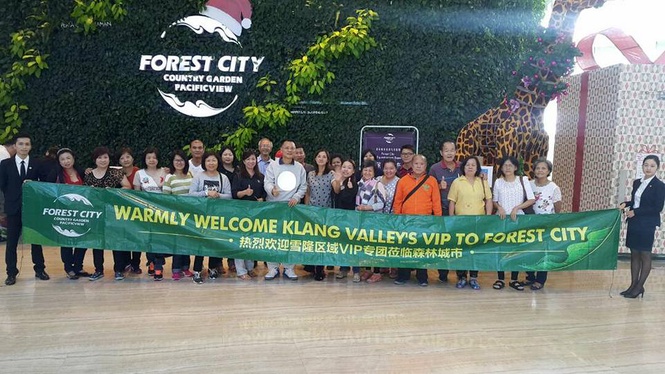
The Johor-Singapore Special Economic Zone (JS-SEZ) is like a golden bridge being built between two bustling cities—one a thriving global financial hub and the other an emerging economic powerhouse. This ambitious project promises to reshape trade, tourism, and daily life for both nations. However, as with any major development, it comes with its fair share of pros and cons. While it may open the floodgates of economic opportunities, it could also bring rising tides that threaten to drown local residents in higher living costs. Let’s dive into the effects of the JS-SEZ, exploring its impact on trade and tourism, the potential migration of Singaporeans to Johor, the transformative power of the coming Rapid Transit System (RTS) and ETS train links, and the looming shadow of inflation that may burden Johoreans.
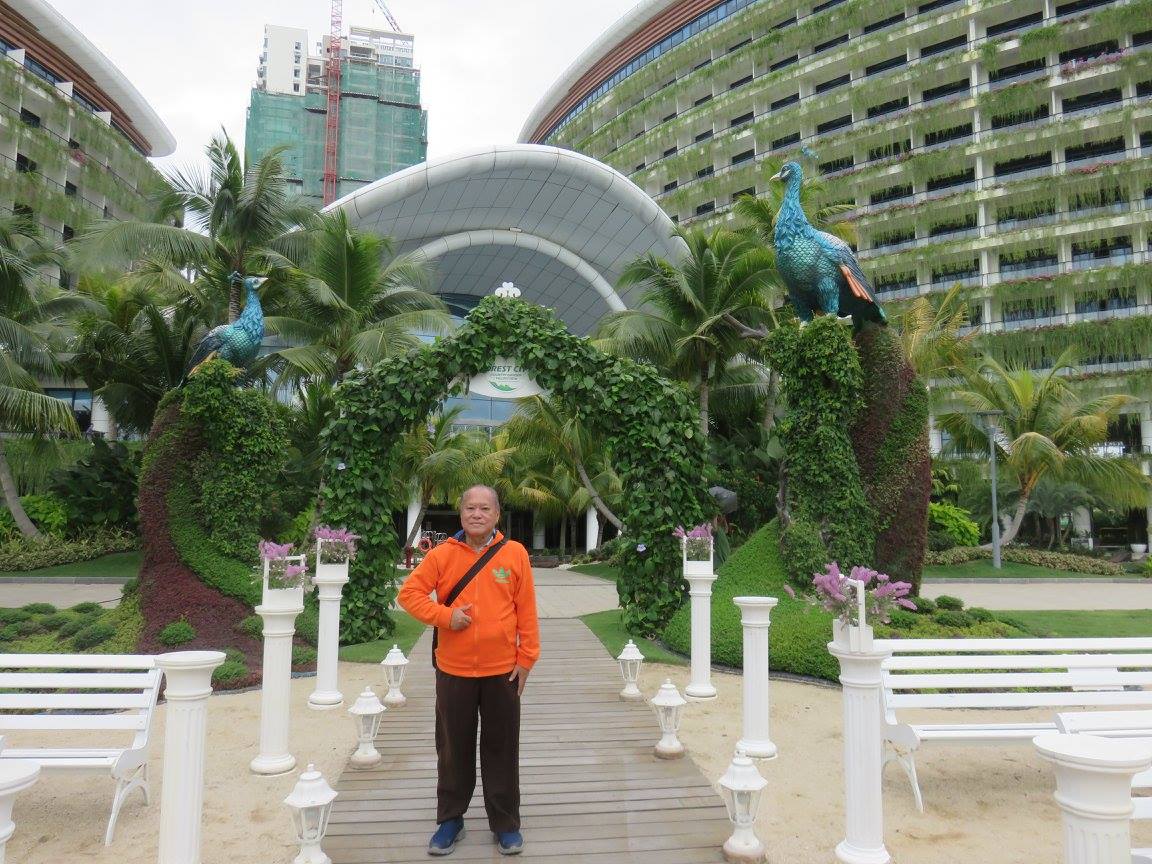
The JS-SEZ is, at its core, a magnet for business. By reducing red tape, harmonizing cross-border regulations, and streamlining customs processes, it effectively turns the Malaysia-Singapore border from a barrier into a bridge. For trade, this is akin to oiling the gears of a once sluggish machine. Goods that once took days to clear customs may soon flow as swiftly as a river after the dam is opened.
Like bees to nectar, investors are drawn to this blossoming zone, where Singaporean capital meets Malaysian land and labour. Businesses that once hesitated to expand across the border now see opportunity wrapped in regulatory ease. The JS-SEZ, in essence, forms a fertile valley where Singapore’s high-value services and Johor’s manufacturing prowess can coalesce into a powerhouse of innovation and commerce.
Tourism, too, finds new wings. Johor, long overshadowed by Kuala Lumpur and Penang, now stands at the doorstep of millions of Singaporeans just a short drive or train ride away. From weekend getaways in Desaru to shopping sprees in Johor Bahru, tourists are expected to arrive in droves. With a simplified visa process and a burgeoning ecosystem of entertainment and retail, Johor may well become Singapore’s playground. Hotels, theme parks, and eateries are set to benefit as foot traffic increases. The JS-SEZ is, in this regard, like an open invitation to a grand bazaar.
However, this influx of tourists is a double-edged sword. While hotels, restaurants, and retail outlets may thrive, overcrowding could turn JB into a pressure cooker, especially during weekends and holidays. The charm of Johor’s laid-back lifestyle might fade under the weight of constant tourist arrival, leaving locals feeling like strangers in their own city.
Singaporeans are increasingly eyeing Johor not just as a weekend destination, but as a viable place to live. The reason is definitely the cost of living. Housing in Singapore is as pricey as gold dust, but Johor offers space and serenity at a fraction of the price. Consequently, why live in a pigeonhole when you can have a palace across the border?
This migration trend resembles water finding its lowest level—it’s natural, inevitable, and powerful. For the price of a one-room flat in Singapore, one could own a landed property in Johor. Add in cheaper groceries, lower taxes, and the prospect of remote work, and Johor becomes an oasis in the desert of affordability.
Already, gated communities populated by Singaporeans have mushroomed in areas like Bukit Indah and Horizon Hills. It’s not just retirees, either—young professionals, families, and digital nomads are all jumping on the bandwagon. This movement is akin to a reverse tide, where instead of Malaysians working in Singapore, Singaporeans are now living in Johor while drawing income from the Lion City.
Connectivity is the lifeblood of any economic zone. In this arena, the JS-SEZ is set to benefit immensely from two major infrastructure projects: the Rapid Transit System (RTS) Link and the Kuala Lumpur–Johor Bahru Electric Train Service (ETS).
The RTS, which will connect Bukit Chagar in Johor to Woodlands North in Singapore, is a game-changer. It's like replacing a rickety ferry with a bullet train. What once required hours of queuing at the causeway will soon be a swift 5-minute journey. The economic implications are profound. Workers can commute daily, businesses can expand seamlessly, and tourism will surge like a dam burst.
Meanwhile, the ETS line from Kuala Lumpur to Johor Bahru is another arrow in the quiver. It ties Malaysia’s capital with its southern gateway, making travel faster, easier, and more appealing. Picture this: a family in Kuala Lumpur decides on a weekend in Johor; they hop on the train on Friday evening and arrive Johor Bharu before 10.00 p.m and thus have ample time for their next 2-day holiday. This is no longer fantasy—it’s the near future.
These transport links are the arteries of the JS-SEZ. They don’t just move people—they move ideas, money, and possibilities. They’re the steel threads that stitch together a new economic fabric for the region.
However, every rose has its thorns. As the JS-SEZ blossoms, Johor residents may begin to feel the pinch. The influx of Singaporeans, with their stronger currency and higher purchasing power, could inflate prices in local markets. Rents may skyrocket, groceries may cost more, and everyday goods could begin slipping out of reach for ordinary Malaysians.
This phenomenon is not new—it’s the classic case of demand outpacing supply. As Singaporeans buy up homes, local residents may find themselves priced out of neighbourhoods they’ve lived in for decades.
Gentrification is a process in which wealthier and privileged individuals move into neighbourhoods that are largely populated by less prosperous residents, ultimately displacing the original residents and raise the cost of living immensely. Gentrification was once a term reserved for urban centres, but in future it may creep into Johor’s suburban and rural areas.
Local businesses may also begin to cater more to foreign tastes and pockets. Cafés that once sold RM8 noodles may be later charge RM16, aiming to attract Singaporean patrons. This is the “expat effect,” and while it fattens some wallets, it can empty others.
Moreover, the social fabric may fray. When locals feel they are being sidelined in their own cities, resentment can brew. “Are we building for ourselves, or for others?” becomes a whispered lament. The JS-SEZ, meant to bridge two nations, could unintentionally divide communities within Johor if not managed equitably.
The JS-SEZ is like a high-stakes performance on a tightrope—balanced governance is the pole that keeps the walker upright. Without policies to protect locals from runaway prices, Johor could turn into a tale of two cities: one glittering and foreign-owned, the other struggling and forgotten.
Malaysia must walk this line with wisdom. Affordable housing quotas, price controls on basic goods, and priority hiring for locals are tools that can cushion the blow. If Singapore is bringing the golden goose, Johor must ensure the eggs are shared fairly.
At the same time, Johoreans must see the bigger picture. The JS-SEZ is not a zero-sum game. A rising tide, if guided properly, can lift all boats. However for this to happen, inclusivity must be the cornerstone. Training programs, business grants, and local entrepreneurship incentives must accompany the influx of foreign investment.
In denouement, the Johor-Singapore Special Economic Zone is both promise and paradox. It is a bridge to prosperity, yet it also threatens to widen gaps. It could turn Johor into a crown jewel of Southeast Asia—or a city outpriced by its own success.
To borrow an English idiom, the JS-SEZ is "a double-edged sword." With vision, planning, and inclusivity, it could cut through economic stagnation and lead both nations to mutual growth. But left unchecked, it may slash into the lives of ordinary Johoreans, leaving behind wounds that fester.
In the end, the JS-SEZ is not just about dollars and cents. It is about people—the traders, the commuters, the retirees, the dreamers. It is about forging a future where borders do not divide, but connect; where wealth is not just created, but shared. The journey has begun. Let us hope the road is paved with wisdom.
moykokming@gmail.com
Moy Kok Ming (moykokming@gmail.com) is a content creator under the Newswav Creator programme, where you get to express yourself, be a citizen journalist, and at the same time monetize your content & reach millions of users on Newswav. Log in to creator.newswav.com and become a Newswav Creator now!
The User Content (as defined on Newswav Terms of Use) above including the views expressed and media (pictures, videos, citations etc) were submitted & posted by the author. Newswav is solely an aggregation platform that hosts the User Content. If you have any questions about the content, copyright or other issues of the work, please contact creator@newswav.com.