
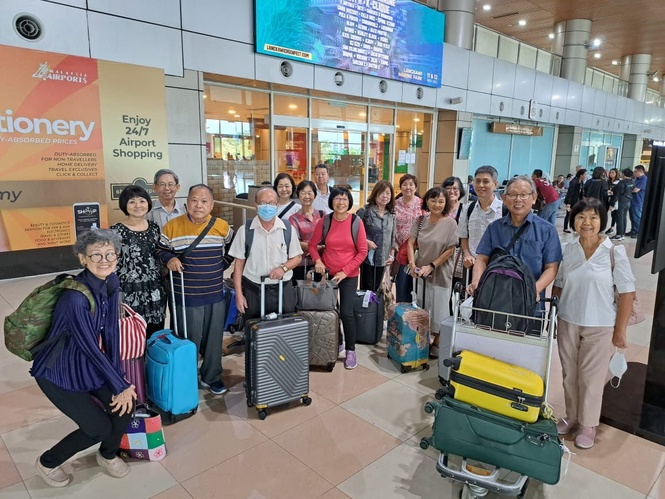
In an effort to boost tourism and enhance bilateral ties, several Southeast Asian countries, including Malaysia, have recently adopted a 90-day visa-free entry policy for Chinese nationals, allowing them to stay for up to 30 days per entry, with unlimited entries within that period. On the surface, this initiative glitters with promise like gold under the sun — but underneath the shine lies the shadow of unintended consequences, as the saying goes “Letting in the wind may also invite the storm.”
This policy is a double-edged sword. On one side, it opens the gates to economic opportunity; on the other, it may open a backdoor to unlawful activity, especially illegal employment. Malaysian welcome tourists with hope and hospitality — but if unchecked, we might end up harbouring foxes in the henhouse.
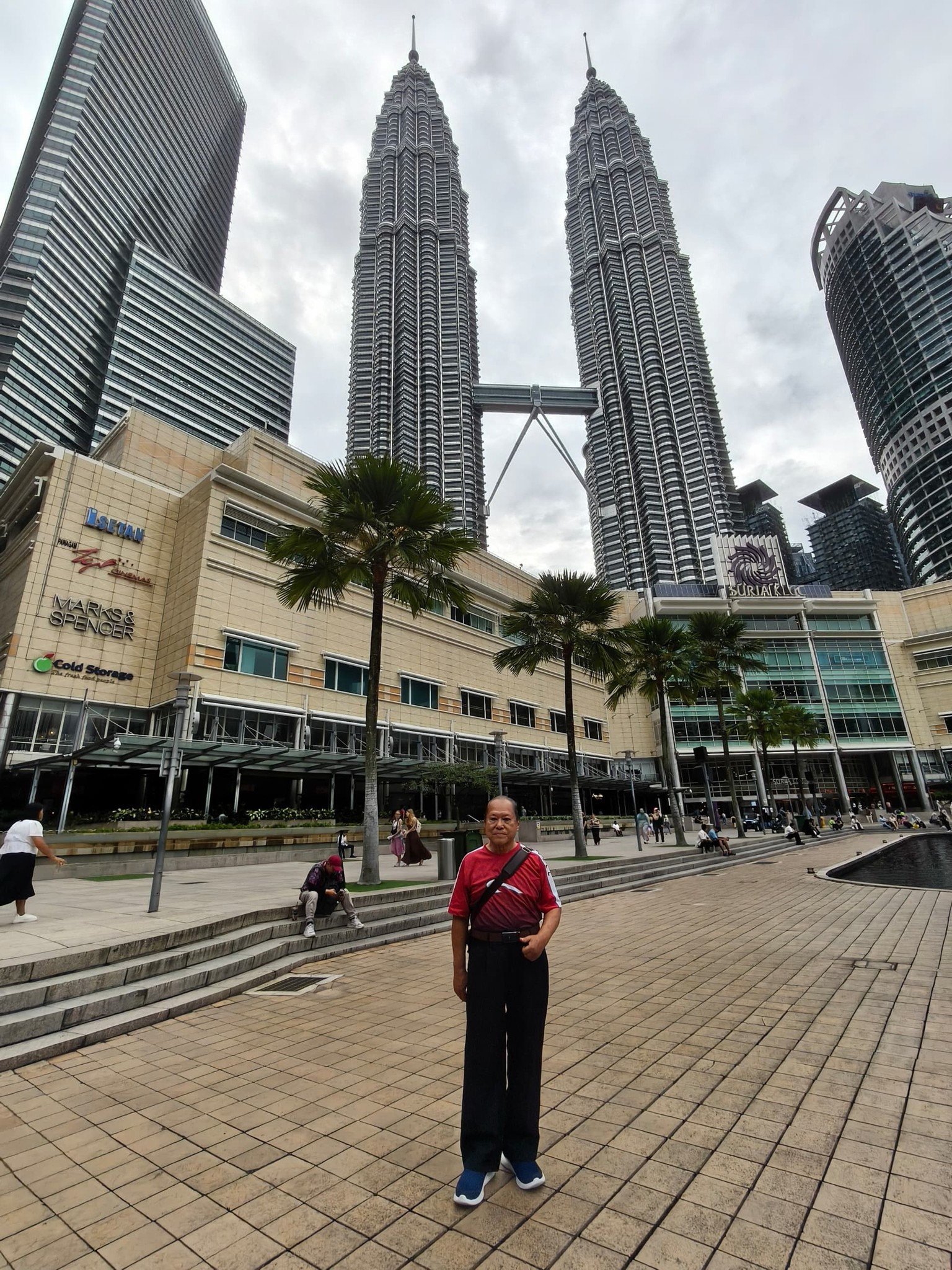
Pros: A Tourism Tsunami with Golden Ripples
The policy is already producing visible results. With over 1.5 million Chinese tourists visiting Malaysia in early 2025, this is a golden goose laying eggs for the hotel, food and beverage, retail, and transport industries. Tour groups, individual travellers, and business visitors flock to heritage sites, malls, and beaches, reviving the post-pandemic economy like rain after a long drought.
Restaurants brim with customers, malls hum with Mandarin chatter, and souvenir shops find their cash registers ringing like temple bells during Chinese New Year. Every tourist is not just a visitor, but a walking wallet, stimulating demand from the urban heartlands to the rural edges.
With relaxed visa restrictions, business delegations from China find it easier to engage with local counterparts, spurring joint ventures, property investments, and digital collaborations. This visa-free policy can be seen as the key to unlock a treasure chest of trade opportunities, particularly in e-commerce, real estate, and green energy.
The intermingling of cultures brings soft power influence. Chinese tourists are introduced to Malaysia’s multiracialism, while Malaysians gain exposure to modern Chinese trends. Cultural understanding grows not by speeches, but by shared meals, laughter, and selfies. The world becomes a smaller village, with mutual curiosity as the bridge.
Cons: When Open Gates Invite Unwanted Guests
However, every river that brings water can also carry crocodiles. Alongside the sincere tourists and businesspersons, some may exploit the open door, returning again and again, not as guests but as shadow workers, undermining local labour markets and defying immigration laws.

While the visa is meant for tourism, enforcement remains a challenge. Some individuals, under the guise of “short-term visit,” might slip into informal employment, especially in sectors that do not need permanent offices like professional hair dressers, manicure workers, photographers etc because they can work in the clients’ houses. Consequently, they are difficult to be monitored or regulated. Like ants building tunnels under the ground, their presence is subtle yet persistent.
Other jobs most vulnerable to being taken up illegally include:
Retail and Souvenir Shops: Especially those targeting Chinese customers. Store owners might prefer Chinese-speaking staff who understand customer preferences. Some Chinese tourists may “return as clerks,” working off-the-books, earning cash while blending in.
Massage Parlours and Beauty Salons: In urban centers like Kuala Lumpur, Johor Bahru, and Penang, there has been anecdotal evidence of Chinese nationals working in massage parlours, nail spas, or hair salons. These industries often operate in grey zones, where employment contracts and visa status are murky.
Construction and Renovation: Chinese workers with specific skills, like tiling or plasterwork, might be informally hired for short-term projects. Contractors, keen on cheap and experienced labour, may “close one eye” to immigration rules. Consequently, renovation scams have taken place. Some foreigners who supposedly came to Malaysia as “tourists” fleecing unsuspecting customers out of thousands of dollars, some offering fly-by-night handyman and contractor services.
Traditional Chinese Medicine (TCM): Some might operate as unlicensed herbalists or bone setters, setting up shop in communities and areas with enormous Chinese populations. They present themselves as “visiting experts,” offering services on a cash basis.
Food Stall Helpers or Hawkers: Some Chinese nationals may stay in the country intermittently to assist Chinese-owned eateries or start low-profile ventures in night markets, especially those catering to Mandarin-speaking patrons.
The impact of such informal employment is not merely legal — it creates ripples of resentment among local workers who see their rice bowl threatened.
When workers come in illegally and accept lower-than-market wages, it leads to a race to the bottom. Locals, especially in lower-income groups, may find it harder to compete. The bamboo shoots can’t grow under the shadow of the pine, and local labour may be overlooked in favour of cheaper alternatives who demand no benefits and are willing to live in precarious conditions.
This phenomenon can lead to xenophobia and social discord. Tensions may brew, particularly in communities that already feel left behind economically. The narrative may shift from “welcoming tourists” to “they’re taking our jobs,” creating a fertile ground for populism and political exploitation.
A constant in-and-out movement — known as visa runs — makes it hard for immigration to track overstayers or illegal workers. Some might leave for Singapore or Thailand and return within days, making it a cat-and-mouse game with border officers.
Moreover, if such short-term visitors require medical aid, are involved in legal disputes, or fall victim to scams, public services may be stretched. Local authorities may not have the resources to monitor every leaf on the tree, let alone every traveller.
As the Chinese proverb goes “Water can carry the boat, but it can also overturn it.” The 90-day visa-free policy is neither a blessing nor a curse—it’s a tool. Like fire, it can warm a home or burn it down, depending on how it’s handled. If managed wisely, it can be a windfall for economies and cultures alike. But left unchecked, it risks turning into a backdoor for labour exploitation. Subsequently it must be paired with smart enforcement, community awareness, and legal reform. As we go by, we must find balance with the measures as follows:
1. Stricter Enforcement and Surprise Raids
Immigration and labour departments must conduct random checks on suspect premises. Clear warnings must be given to both employers and illegal workers. Penalties should be strict enough to deter repeat offences.
2. Cross-Agency Collaboration
Immigration, police, local councils, and health departments must share data and coordinate actions. A centralized system that flags frequent travellers or extended stays can help pinpoint abuse. The net must be woven tight, lest too many fish escape.
3. Public Education and Whistleblower Protection
Local businesses and citizens must be informed of the consequences of hiring illegal workers. At the same time, those who report illicit employment should be protected under whistleblower laws, creating a self-policing ecosystem.
4. Offer Legal Work Visas for Niche Skills
If demand exists for certain skills among Chinese nationals — like TCM or specialized artisanship — a short-term work permit scheme can be introduced, with strict conditions. This turns shadow labour into legitimate contribution, benefiting both host and visitor.
In denouement, Malaysia’s decision to grant 90-day visa-free entry to Chinese citizens is a bold move — a gamble of trust and opportunity. It brings with it the sweet scent of tourism revenue, cultural exchange, and trade expansion. Yet, with open doors come open risks.
To prevent this policy from becoming a Trojan horse for illegal employment, the nation must walk a tightrope — balancing hospitality with vigilance. A wise host knows to open the window for fresh air, but always installs a screen to keep the flies out.
After all, as the saying goes, mend the roof before the rain — it is better to prepare today than to repair tomorrow.
Moy Kok Ming (moykokming@gmail.com) is a content creator under the Newswav Creator programme, where you get to express yourself, be a citizen journalist, and at the same time monetize your content & reach millions of users on Newswav. Log in to creator.newswav.com and become a Newswav Creator now!
The User Content (as defined on Newswav Terms of Use) above including the views expressed and media (pictures, videos, citations etc) were submitted & posted by the author. Newswav is solely an aggregation platform that hosts the User Content. If you have any questions about the content, copyright or other issues of the work, please contact creator@newswav.com.

