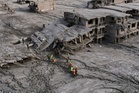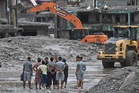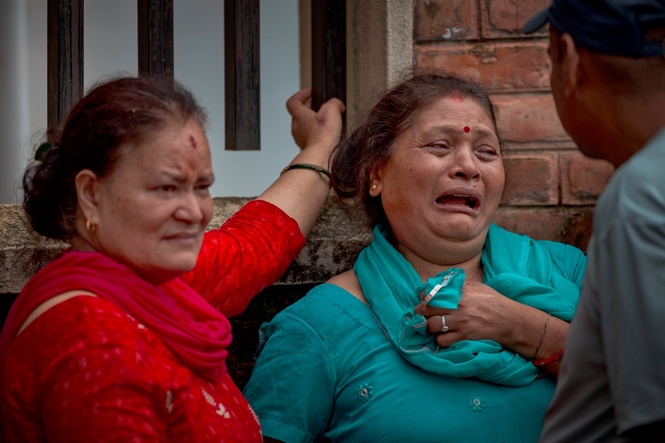
Crowds of people gathered anxiously at hospitals, relief centres and an army base in Nepal on Saturday for news on missing loved ones as the death toll from the catastrophic flash floods rose to 734.
At least 2,426 people remain unaccounted for in Nepal, according to the country’s disaster agency while more than 550 are missing across the border in Tibet. Among them are 33 British citizens, including a 13-year-old girl.
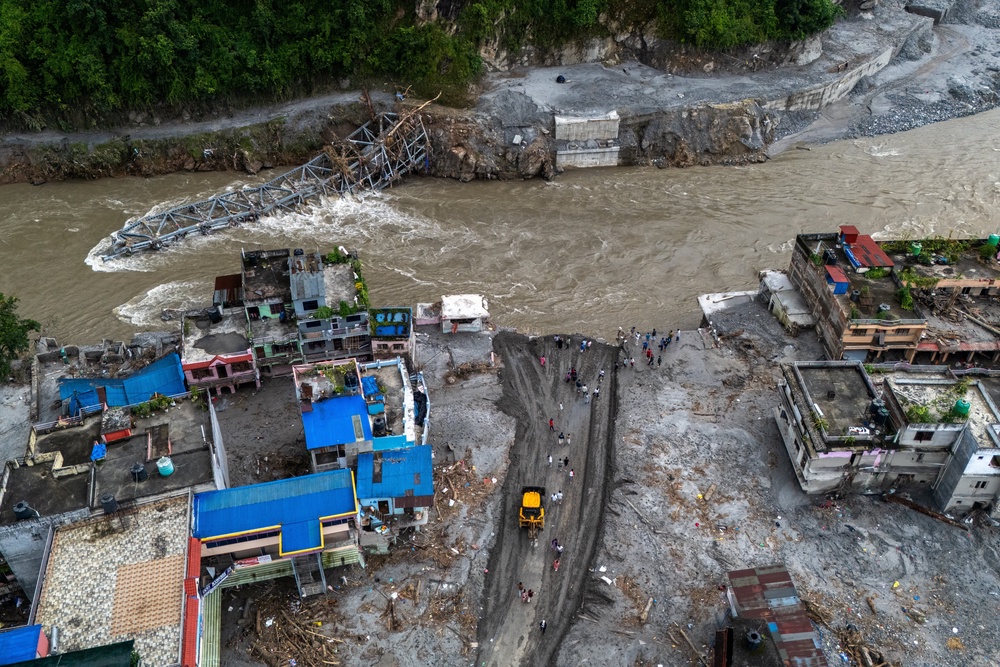
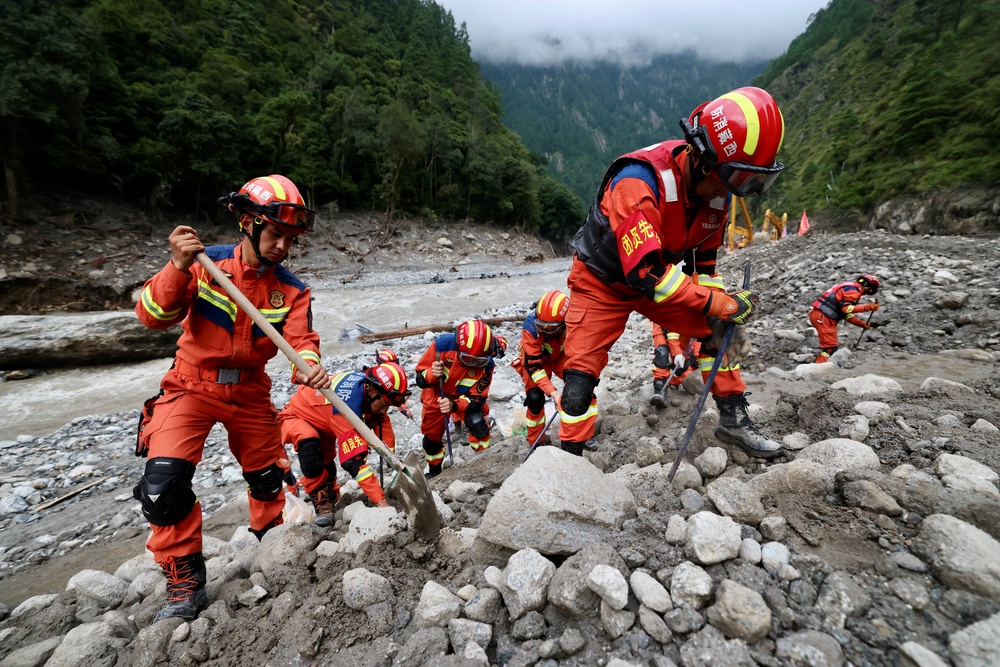
The region remains on “high alert” over the risk of further flooding, as Nepal’s foreign minister Shisir Khanal warned that parts of the landscape have been turned into “swampland” with rescuers facing a race against time to save those trapped.
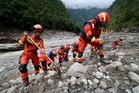
Efforts were continuing at a hydropower construction plant, where more than 100 people are believed to be trapped in a mud-filled tunnel. Rescuers inserted an air pipe in a bid to help those stuck inside.
In an emotional address, Mr Khanal so called on the world to embark on a “global effort” to tackle climate change.
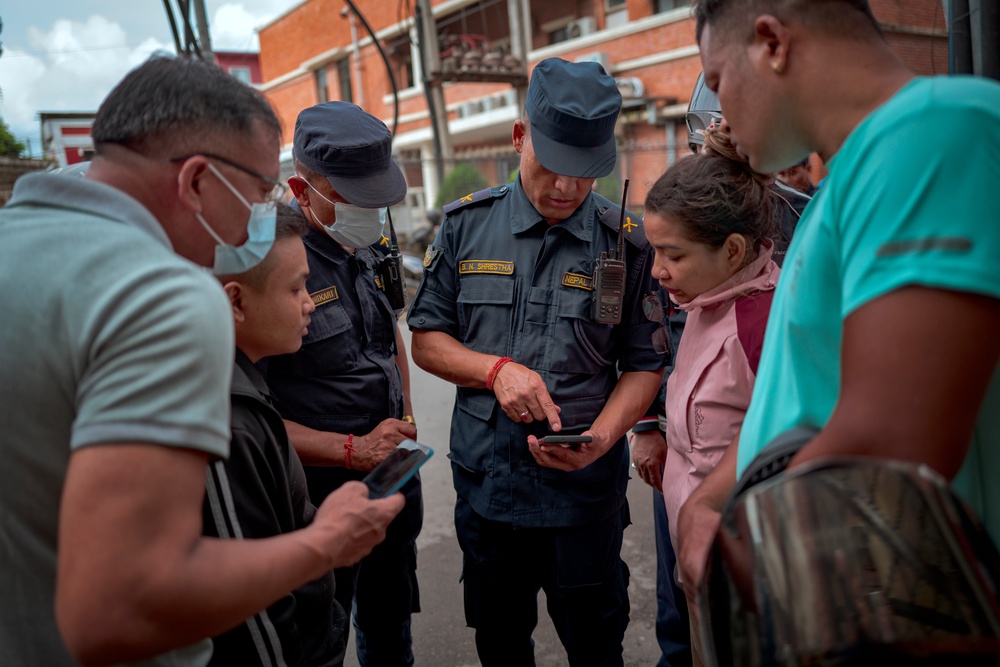
Nepal has also appealed for help in identifying recovered bodies as the scale of the disaster becomes unmanageable. The District Administration Office in the Nepalese district of Chitwan said it had only been able to identify four of the 233 bodies recovered. Some remains have washed ashore 250 miles downstream in neighbouring India.
A rapid deployment team from the UK arrived in Nepal on Saturday to provide support for British nationals. The team, consisting of specially trained crisis response staff, will work alongside the British embassy and local authorities.
On Saturday, families and loved ones of the missing gathered outside a hospital and mortuary in Kathmandu where graphic photos of recovered bodies were posted, including those of children and infants, according to the BBC.
Makeshift morgues have been set up in community halls and police buildings across the affected areas, where a lack of refrigeration facilities is causing bodies to rapidly decompose in the heat and humidity.
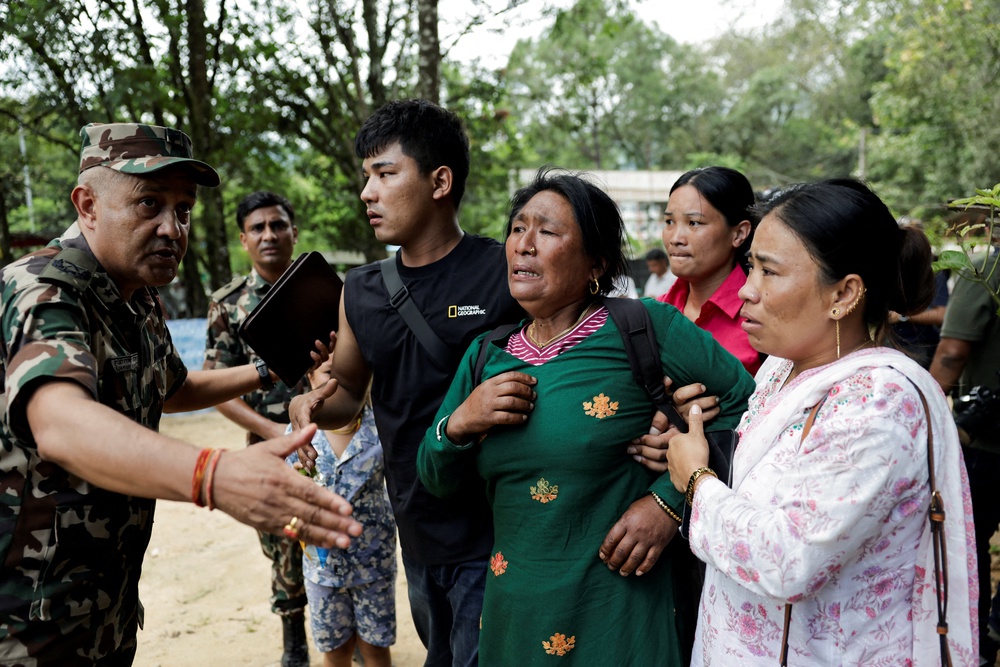
“If the current storage conditions persist, we will face a severe public health crisis within 48 hours,” said Subas Sunar, a volunteer at a centre storing bodies in Bharatpur in Chitwan, according to the Kathmandu Post.
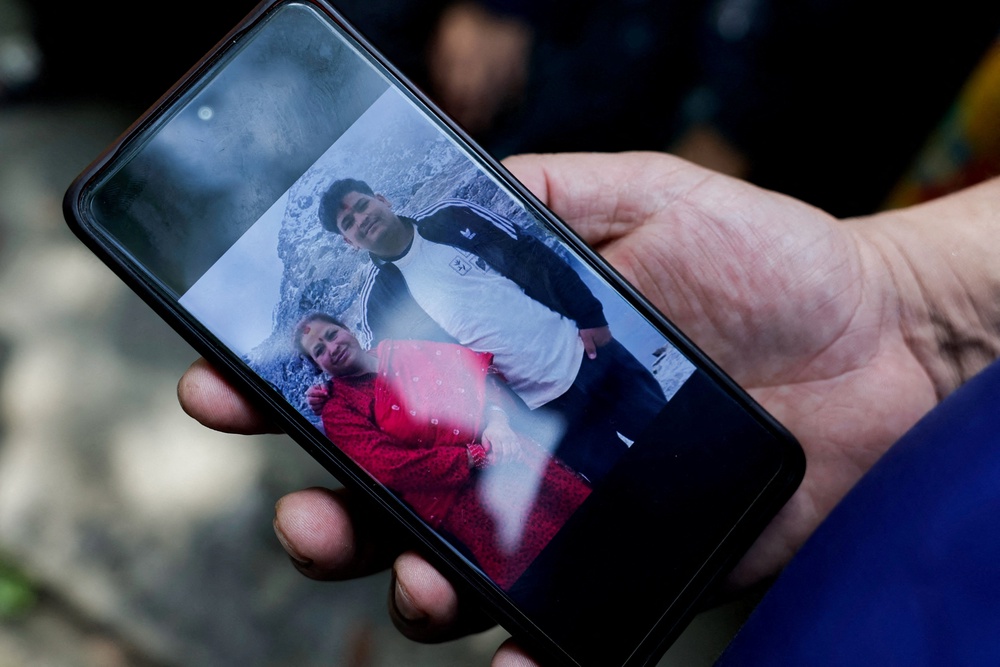
Tearful families posted pictures of their loved ones on the wall outside Tribhuvan University hospital in Kathmandu in a bid to locate them.
One British woman described the moment she found a video of her mother and aunt in footage posted to TikTok in the hours leading up to the floods.
Tulshi Patel said that her mother Hemangini Jitendra Patel and her aunt Hema Sunil Amin had been on a pilgrimage to the area and planned to visit Tibet on the way. However, they are now among the missing.
“We did our own deep-dive research and we found a TikTok video that verified and showed my mum and auntie and three other people from the tour at the border waiting to cross,” she told LBC.
“We’ve messaged them both in the hopes that maybe we’ll see a tick to say they’ve seen it or read it. Every day we’re calling via WhatsApp and normal route just to see if anything. We’ve not given up, but… from our end, all we can do is research.”
At an army base in the Nepalese district of Nuwakot, families waited outside for information. Images published by the BBC showed queues of people gathered at the edge of a field where helicopters returning from rescue missions landed.
Military personnel taped sheets of paper listing dozens of missing people to a wall at a relief centre, prompting families to crowd around them. Some scanned lists of the missing and dead, took photographs and wiped away tears as they looked through the names.
Nepal has declined international offers to help with search and rescue missions and said that instead it will need technical support and help rebuilding the devastated areas.
The country’s finance minister, Swarnim Wagle, told Reuters that the cost of reconstruction could be between $4bn and $5bn.
More than 6,600 people have so far been rescued according to Nepal’s National Disaster Risk Reduction and Management Authority, as Mr Khanal said that the government required specialist expertise in areas including rescuing people trapped in flooded tunnels, DNA testing and storage for bodies.

Nepali army rescuers pumped air and sent cameras into tunnels at a hydropower plant where the government says at least 100 workers may be alive and trapped, according to AFP. At least 933 hydropower workers remain missing, it said citing the National Disaster Risk Reduction and Management Authority.
The floods have once again raised the issue of climate change as the disaster was triggered when part of a glacier and the mountainside beneath it collapsed on Langtang Lirung, a mountain straddling the Nepal-Tibet border.
It sent ice, rock and mud crashing into the river below with experts warning that the mountains in the area had been warming at roughly five times the global average since the 1960s and the rate of ice loss had doubled since 2000.
“We'd ask the world... to take climate change as one of the major challenges that Nepal and its citizens face, and this has to be a global effort,” Mr Khanal told reporters on Saturday.
“We request the global community to come together and preserve the Himalayan ecosystem.”
At least 93,000 people have been affected by the crisis, the Red Cross said on Friday.
Essex nurse Rajendra Pudasaini, president of the Non-Resident Nepali Association UK, said his relatives were “swept away” by the floods, as he launched a fundraiser to support those affected by the disaster.
He said that Nepal was witnessing an “irreplaceable loss” and the country was “paying the price for global warming”.
Read MoreThe UK tourists named as missing after the Nepal flash floods
Glacier collapse that killed hundreds in Nepal was decades in making, scientists say
What triggered Nepal flash floods? And why are experts worried about a second flood?
Tragedy as UK man dies when Singapore Airlines flight plunges 178ft in five seconds
Singapore Airlines honours crew members who saved passenger after his heart stopped
Airstrikes on school kill 5 as UN says Myanmar’s situation is at ‘new low’