An environmental charity has called proposals for an AI data centre in North Devon a “massive blow” to the tourism sector.
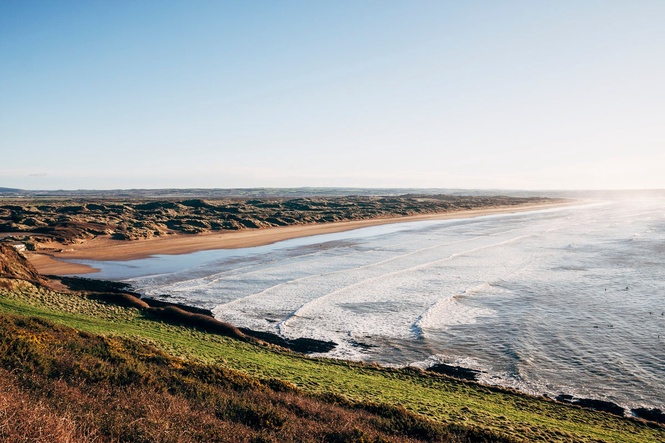
The North Devon Biosphere, one of seven in the UK, features one of the largest dune systems in Europe – the Braunton Burrows – and was inscribed as a Unesco site in 2002.
Xlinks, a British energy company, has proposed a large-scale AI data campus and associated battery energy storage facility to be built within the biosphere area.
The Campaign to Protect Rural England (CPRE) said plans were an “enormous act of self-harm” following reports that North Devon could lose its Unesco biosphere designation if the project goes ahead.
CPRE said: “The loss of the biosphere would be a massive blow to our tourism industry, on top of the looming physical presence of one of the world’s three largest data centres and Europe’s largest battery assembly on our cherished rural landscape.”
The charity is petitioning to fight the construction of the data centre.
According to Xlinks, the AI data and energy storage development at Alverdiscott would deliver up to 1.5GW of AI-optimised compute capacity and make an annual economic contribution of around £3.3bn to £3.6bn.
A spokesperson for Unesco said the prospective plans were the kind of change that would need to be taken into account for the site to maintain its classification, according to the Local Democracy Reporting Service via the BBC.
They said: “While Unesco won't be submitting a formal comment on this proposal, the question of whether a data centre's compatibility with the site's sustainable-development mandate is one that will feed directly into how North Devon's continued designation is assessed.”
In July, the North Devon Biosphere said that the partnership “neither supports nor opposes the proposal at this stage”.
It said it will assess if the proposal will demonstrate a “genuinely sustainable approach” that delivers lasting benefits for nature, climate, communities and the local economy.
It added: “The Biosphere Partnership acknowledges the emerging challenge of technology-driven energy intensification, whereby the growth of artificial intelligence and data processing creates increasing demands for energy generation, storage, cooling, land and supporting infrastructure.
“While such developments may contribute to economic growth and technological innovation, they must also be considered within the environmental limits of the places that host them and the global imperative to cut carbon emissions.”
The Independent has approached Xlinks for comment.
Read more: Unesco designates 26 new biosphere reserves amid biodiversity challenges
Read MoreCancelled or delayed flights: What are my rights to a refund?
Village which featured in hit Netflix series could be yours for £6m
Is it safe to travel to Mexico? Foreign Office advice on ‘dangerous’ Hurricane Polo
Two passengers returning from cruise find hundreds of spiders in their car in Texas
Trump official touts new air traffic control system after Monday’s meltdown
Railway bridge construction project cost more than London Eye and Millennium Bridge