Moves to reform the “dehumanising” disability benefits system following the publication of a year-long government review could drive Britain’s ballooning welfare bill, ministers have been warned.
The long-awaited report, by social security minister Sir Stephen Timms, proposes an overhaul of Personal Independence Payment (PIP), the main disability benefit in England and Wales, which the review says is “no longer fit for purpose”.
But economists have warned that the review could fuel a rise in claims. The highly respected Institute for Fiscal Studies (IFS) think tank said that recommended changes to the application process “would likely increase the number of claimants – and hence spending”.
The Resolution Foundation also said there would likely be an “uptick in caseload or costs”.
The findings will pile huge pressure on Andy Burnham, who is facing calls to get a grip on the growing welfare bill but will also be keenly aware of the backbench rebellion on benefits that helped drive his predecessor Sir Keir Starmer’s from office.
The proposals, which make no recommendations to cut the benefits bill, are also at odds with another government-commissioned report published last week by former Labour cabinet minister Alan Milburn, which called for huge savings and said PIP should be removed for under-25s.
The report, ordered after Sir Keir’s government, was forced to U-turn on £4bn in welfare cuts last year following a revolt by Labour MPs recommends:
- Keeping PIP payments as unrestricted cash for all adults, regardless of income, age or work status, and ruling out vouchers
- Fast-tracking people with terminal illnesses or severe, lifelong disabilities so they receive money automatically without a full medical assessment
- Simplifying the lengthy application form, offering free independent advisers, and giving claimants a choice of in-person, video, or paper assessments
- Replacing the points-based test with a broader assessment of how a condition affects daily life and increases living costs, such as heating or taxis
- Reshaping who qualifies so overall spending stays within existing government budgets. More money would go to those with high care costs, while people without extra disability-related expenses would no longer qualify.
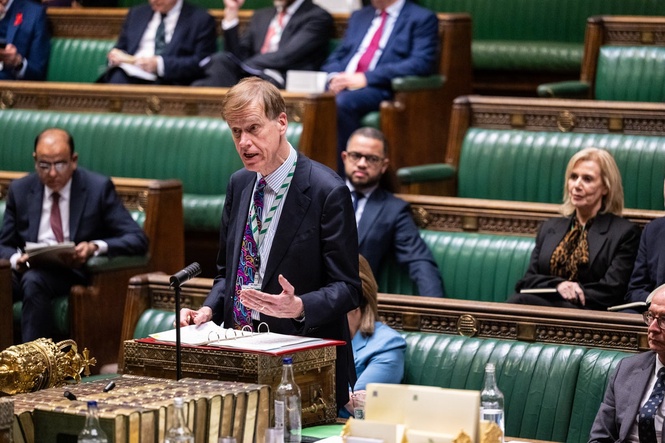
Unveiling his findings, Sir Stephen said an interim report was clear “that while PIP is valued, the system is no longer fit for purpose”.
He said the government had already accepted two of its key recommendations – reducing unnecessary award reviews for people whose health conditions are lifelong, progressive or unlikely to improve, and introducing a new fast-track route for people with severe, well-evidenced conditions and those nearing the end of life.
“These changes are a first step to building a system which gives greater security for those with the most severe conditions,” he said, adding that ministers would consider the review’s wider recommendations carefully and respond in the new year.

But Eduin Latimer, from the IFS, said the recommendations in the review could drive up claimants.
“If the government wants to make PIP easier to apply for while also keeping spending in line with current projections, they would likely have to tighten eligibility criteria or reduce award amounts,” he said.
Louise Murphy, senior economist at the Resolution Foundation, added: “We think the government should at least accept that there might be some costs in the shorter term.
“It was instructed to be cost-neutral in terms of the OBR’s projection for the PIP benefit spend, but there wasn’t really anything specific said about the costs involved in administering the benefit... I don’t think we can pretend that there’s no cost at all,” she told The Independent.
She added: “I think some of [the recommendations] we would definitely expect a bit of an uptick in caseload or costs.”
After the report was unveiled in the Commons, Helen Whately, shadow work and pensions secretary, pointed to the IFS’s warning as she said the recommendations in the round would “make PIP easier to get”. She said: “We’ll see more claims and an even higher bill.”
She added: “Why is there nothing here to tackle the extraordinary growth in claims for mild conditions for mental health and ADHD, no plan to require face-to-face assessments or crack down on those gaming the system?
“This has taken over a year. All we have is a report that tinkers around the edges of a failed system.”
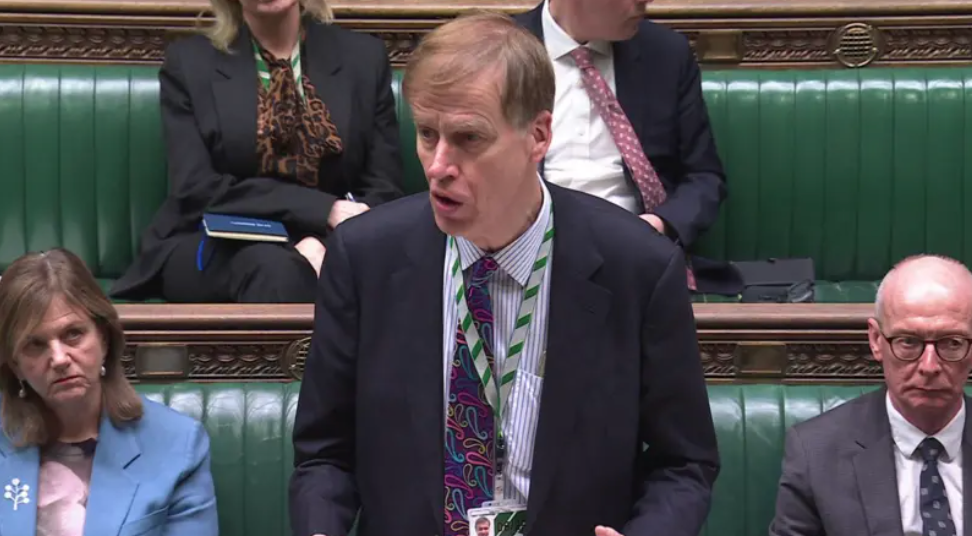
Sir Stephen insisted it was not “tinkering with the system”, adding: “This is a fundamentally new approach to the assessment for this benefit.”

Meanwhile, Lindsay Judge, research director at the Resolution Foundation, warned that the Timms and Milburn reviews “collide” on how to cut welfare spending, adding: “Milburn outlines implausibly large cuts on young people – equivalent to halving the total health and disability benefit support they receive – without saying how it would do this, while the Timms Review avoids the question entirely.”
She added: “The government does need to contain the rising cost of disability benefits. The good news is that savings of over £4 billion can be achieved while adopting much of the Timms Review and making the system work better for all adults.”
Sir Stephen addressed the concerns over the two reports clashing when he unveiled his review in the Commons. He told MPs: “The two reviews had different remits, but their diagnoses had much in common – both find a fragmented system that asks people to prove what they cannot do rather than understand what they could do with the right support.
“Both identify the worry that participation, treatment or improvement could put somebody’s financial security at risk, and both argue for support that is more personalised, more joined-up and more responsive to people’s lives.
“So, taken together, the two reviews share ambition for a system that offers security for those with the most severe needs, support built around the individual, better recognition for additional costs and confidence that work, treatment, participation will not put essential support at risk. That is the basis on which the government will bring the two strands of work together.”
After Labour MP Neil Duncan-Jordan pressed him on how it could be right that a 24 and 26 yr old could be treated differently, Sir Stephen appeared to suggest he was sympathetic to Mr Milburn’s call for a different system for under-25s. He said the Milburn report had argued “pretty compellingly” that “a different approach is needed for young people” to deal with the Neets crisis.
Worth up to £778 a month, PIP is designed to help those who have a long-term physical, mental illness or disability that affects their ability to do everyday tasks. It is claimed by 4.1m people, up from 2.7m five years ago. Some four in 10 claimants were listed as having psychiatric disorders, which can include autism and ADHD.
It was introduced in April 2013 and, under the current system, recipients can get between £30.30 and a maximum of £194.60 a week.
While total spending on PIP this year is forecast to be £32.1bn, that will rise to reach £41.5 bn in 2030/31.
Ahead of the review’s publication, Mr Burnham said he “won’t shy away from reforming the system” and repeated his commitment to reducing the welfare bill and supporting more people into work.
A White Paper on welfare reform is expected early next year, considering recommendations in both the Milburn review, into youth unemployment, and the Timms report.
Read MoreSome Pip claimants might receive less in ‘rebalancing’, says review co-chair
Timms Review: Key takeaways and what report means for future of disability benefits
Review will recommend changes to ‘rehumanise’ disability benefit, says minister
Burnham: Help young people build the future they deserve
Government confirms ‘contingency plans’ in place if Capita collapses
MI5 issues urgent warning to UK defence companies over Russian attacks