
The shift away from traditional metal keys and even wireless key fobs towards smartphones (Digital Keys) and NFC key cards is one of the most prominent design choices in modern electric vehicles (EVs). But is this better?
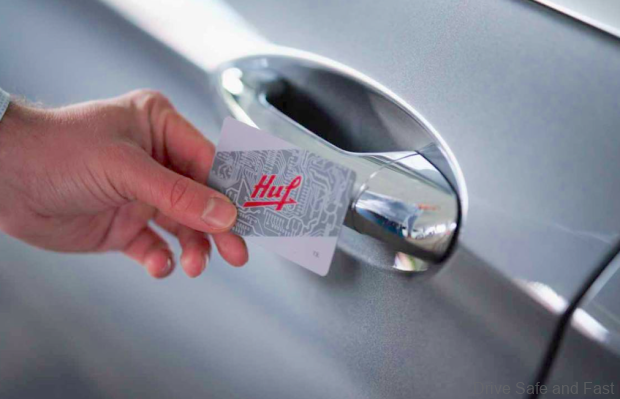
So, manufacturers like Tesla, BYD, Volvo and Hyundai have distinct engineering, software and economic reasons for making this transition. We think it is cumbersome to use your smartphone to unlock your car door and even more silly to get a NFC card out of your wallet to tap and open your car …….. especially when it is raining!
1. EVs Are Defined by Software, Not Hardware
Unlike traditional internal combustion engine (ICE) cars built around mechanical setups, EVs operate like rolling computers connected to the cloud.
Seamless Ecosystem Integration: A digital key links the vehicle directly to your smartphone app. This allows the car to know who is approaching.
Personalized Driver Profiles: When you unlock the car via your phone, the EV instantly applies your individual seat positions, climate control defaults, side mirror adjustments, ambient lighting, and infotainment presets.
Over-the-Air (OTA) Updates: Software features, security patches, and app performance updates can be delivered remotely without requiring physical key reprograming or dealership visits.
2. Digital Key Sharing & Fleet Management
Traditional key fobs make sharing a vehicle cumbersome because you must physically hand over the keys.
Instant Digital Sharing: Through Apple Wallet, Google Wallet, or brand apps, you can grant temporary or permanent vehicle access to family members, valet drivers, or friends via a text message.
Granular Driver Controls: Access permissions can be customized—for example, limiting maximum speed or restricting valet drivers from accessing the front trunk (frunk) or glove box.
Peer-to-Peer & Rental Fleet Utility: For car-sharing platforms (like Turo or corporate fleets), digital access eliminates physical key handoffs completely.
3. Supply Chain Simplicity & Lower Production Costs
Manufacturing and supplying complex radio-frequency key fobs adds noticeable costs and logistical hurdles:
Physical Fob Costs: Traditional key fobs contain physical blades, multi-button assemblies, custom shells, and complex radio transmitters that can cost carmakers $100–$300 per unit to manufacture.
NFC Cards as Cheaper Backups: Thin NFC key cards cost only a few dollars to produce, making them inexpensive default secondary keys to bundle in the glovebox.
Fewer Physical Parts to Stock: Eliminating traditional ignition switches, steering column mechanical locks, and bulky fob inventories streamlines the assembly line.
4. Advanced Security Architecture
Modern phone-as-a-key systems rely on NFC (Near-Field Communication), BLE (Bluetooth Low Energy), and UWB (Ultra-Wideband) technology:
Relay Attack Mitigation: Traditional keyless fobs emit constant signals that thieves can intercept and extend with cheap “relay devices” to unlock and steal cars parked outside homes. Modern UWB and NFC systems measure precise distance and time-of-flight, making signal spoofing extremely difficult.
Instant Revocation: If you lose your phone or key card, you can immediately wipe or revoke access from a web browser or primary account. Losing a physical fob typically requires towing the car to a dealership to re-code the receiver.
5. Cabin Space & Minimalist Interior Design
EV interior design heavily emphasizes clean lines, open space, and uncluttered center consoles. Removing the need for a physical ignition barrel or dedicated key fob storage docks frees up console real estate for wireless charging pads, extra storage, and larger displays.
Entering an EV with phone-as-a-key allows a pure “walk-up and drive” experience—doors unlock as you approach, and the car turns on automatically when you sit down and press the brake pedal, eliminating the concept of “starting” an engine.
Why the NFC Key Card Exists as a Backup
Manufacturers recognize that smartphones can run out of battery, get lost, or suffer from app glitches. The NFC key card serves as an unpowered, virtually indestructible physical backup. It easily slides into a wallet, requires no battery replacement, and uses passive NFC chips (similar to tap-to-pay credit cards) to tap the B-pillar door sensor and center console reader.
However, we at www.dsf.my prefer just to have a traditional KEY Fob which works perfectly well all the time until its battery power runs out and then it is just a RM10.00 replacement battery to get it working again. Easy. less hassle and works better!
The post Do You Prefer The NFC Key Card Or A Key Fob first appeared on DSF.my.