
Table of Contents
Childhood eating habits can influence digestive health, obesity risk, lifelong relationships with food
Every Malaysian has probably heard the same phrases growing up.
“Finish your rice.” “One more spoon.” “Don’t waste your food.”
While these reminders often come from a place of love, health experts say the messages children receive around the dining table can shape far more than their appetite. They can influence eating habits, digestive health and even the risk of developing obesity and type 2 diabetes later in life.
According to consultant upper gastrointestinal surgeon Reynu Rajan, healthy eating is not something people suddenly learn as adults. It begins much earlier, often through the everyday routines and conversations that happen during family meals.
“Every meal is a lesson. The question is what are we teaching? Are children eating because they’re hungry, or because they’re trying to make someone else happy?,” she said.
Family should listen to hunger, not pressure
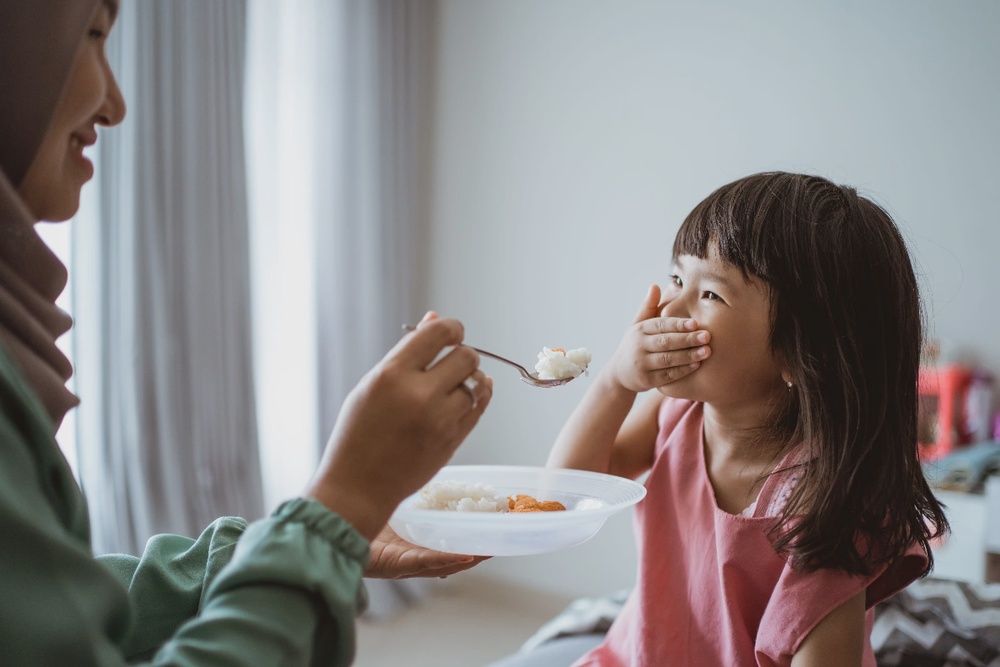
Many parents rely on encouragement, rewards or guilt to get children to eat. While the intention is often to ensure children receive enough nutrition, Reynu said these approaches can unintentionally disconnect children from their natural hunger and fullness cues.
Instead of recognising when they have had enough, children may begin eating simply to satisfy their parents.
Food, she explained, should never become a reward, punishment or bargaining tool. The goal is to help children learn to trust their own bodies rather than feeling obligated to finish every meal.
Small habits can have lasting effects
Many childhood eating habits may seem harmless but can gradually affect long-term health.
One familiar scene in Malaysian households is the rushed breakfast before school. Parents quickly feed children spoonful after spoonful while trying to get everyone out the door.
The problem, said Reynu, is that digestion begins in the mouth. Eating too quickly limits proper chewing and does not give the brain enough time to recognise feelings of fullness.
Busy family schedules can also mean convenience foods gradually replace balanced meals. As work, school and extracurricular activities compete for attention, processed foods and sugary drinks often become the easier option.
“Our digestive system doesn’t know we’re busy. It simply responds to what we repeatedly give it,“ she said.
Making healthy food exciting
Convincing children to eat vegetables does not always require negotiations. Instead of presenting healthy food as something they “have” to eat, Reynu encouraged parents to make children part of the experience.
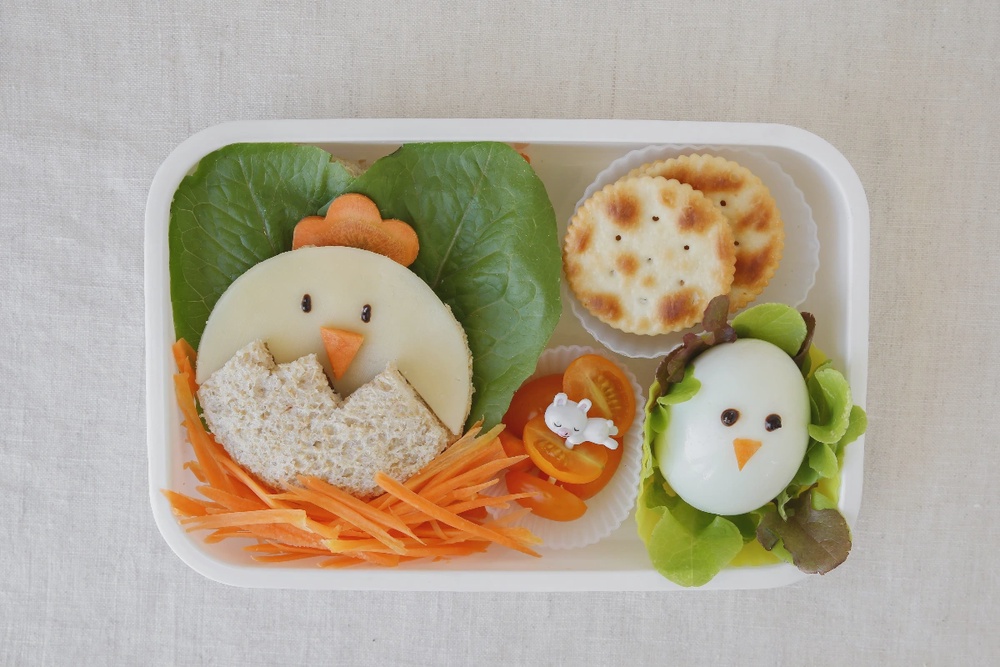
Simple activities such as grocery shopping together, choosing new fruits, washing vegetables, cracking eggs or helping prepare lunchboxes can make children more curious about food. Children are often more willing to try meals they have helped create, turning healthy eating into an enjoyable experience rather than a chore.
Why meal planning in a family matters
Reynu believed involving children in meal planning and preparation is one of the easiest ways to build healthier habits.
Families often spend time planning work schedules, holidays and finances but rarely devote the same attention to planning meals.
Without preparation, convenience frequently dictates what ends up on the dinner table.
Even preparing a simple lunchbox together, she said, teaches children that healthy eating is something worth making time for rather than an afterthought.
When picky eating is normal
Picky eating is a common concern among parents, particularly during early childhood. According to Reynu, selective eating is usually a normal developmental phase between the ages of two and six.
“One of the biggest mistakes parents make is giving up after a child rejects a food once or twice. In reality, children may need to be exposed to the same food 10 to 15 times before accepting it,” she added.
Patience is often more effective than pressure.
However, Reynu noted parents should seek medical advice if picky eating is accompanied by weight loss, poor growth, frequent vomiting, swallowing difficulties or an extremely limited diet that affects nutrition.
Bringing back family meals
Creating healthier mealtimes is not about policing every bite.
Instead, Reynu encouraged families to slow down, switch off the television, put away their phones and eat together whenever possible.
“Children learn far more from observing their parents than from being lectured. Seeing adults enjoy balanced meals naturally encourages curiosity about healthy foods,” she said.
Parents decide what is served, she noted, while children should be allowed to decide how much they need to eat. Preserving that ability to recognise hunger and fullness helps build a healthier relationship with food over time.
Is a clean plate really the goal?
For many Malaysian families, asking children to finish everything on their plate is deeply rooted in culture. Older generations often grew up during periods when food was scarce, making waste unacceptable.
Today’s reality, however, is different.
Repeatedly encouraging children to ignore feelings of fullness can teach them to override their body’s natural signals, a habit that may continue well into adulthood.
Reynu suggested that each family serve smaller portions first and allowing children to ask for more if they are still hungry.
“The goal isn’t a clean plate. It’s a healthy relationship with food,“ she said.
Feeding the future
Family meals offer far more than nutrition. They create opportunities for conversation, connection and emotional wellbeing while helping children develop healthier eating habits.
Reynu believes parents should shift their focus away from raising children who simply eat everything placed before them.
Instead, the goal should be each family raising children who genuinely enjoy eating well. After all, every meal is about more than satisfying today’s appetite.
“We’re not just feeding a five-year-old today. We’re shaping the eating habits and influencing the health of the 50-year-old they’ll become one day,“ she said.
READ MORE:
“Because I Said So” to “Let’s Talk”: The evolution of parent-child communication