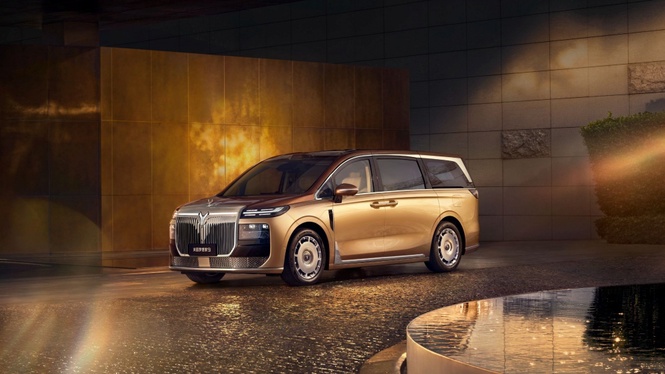
The Dongfeng Voyah Dream 9 is heading to Malaysia in Q1 2027, but didn’t Dongfeng just show us the regular Dream at KLIMS? Here’s what the Dream 9 actually is and where it fits.
THE Dongfeng Voyah Dream 9 is coming to Malaysia, with local distributor Volt Auto Malaysia targeting a launch in the first quarter of 2027. Both battery-electric and plug-in hybrid versions are planned, initially arriving as fully imported CBU units before moving towards local CKD assembly.
If the name sounds familiar, there is a good reason for that. Dongfeng Malaysia only previewed the regular Voyah Dream at the Kuala Lumpur International Mobility Show 2026 in June, so the sudden appearance of another large luxury MPV called the Dream 9 understandably raises a few questions.
First, what exactly is Voyah?
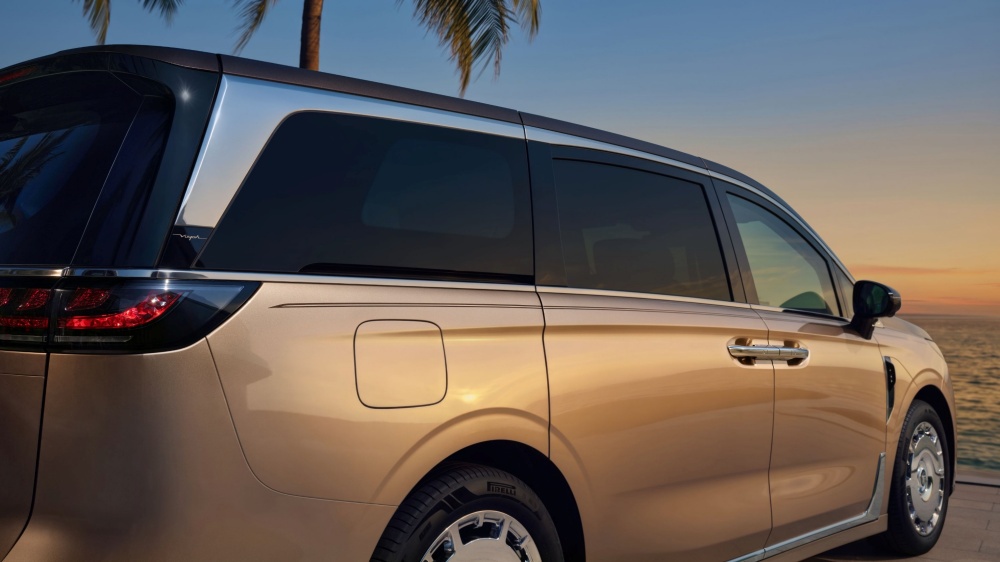
Voyah is Dongfeng Motor’s premium new-energy vehicle brand, positioned above the mainstream Dongfeng passenger-car range. Volt Auto has also indicated that Voyah will eventually operate through its own Malaysian dealer network, with standalone showrooms separate from those carrying regular Dongfeng models.
The Dream that appeared at KLIMS was already a very substantial luxury MPV. The left-hand-drive example shown locally was a plug-in hybrid measuring 5,315mm long, 1,980mm wide, and 1,820mm tall, with a 3,200mm wheelbase. In China, the Dream is available in both PHEV and fully electric forms.
Its latest PHEV specification uses an 800V electrical architecture, supports 5C charging, and can be equipped with a 62.5kWh battery offering up to 350km of CLTC electric range. The version previously reported produces a combined 653PS and 915Nm from its 1.5-litre turbocharged engine and two electric motors.
So where does the new Dream 9 fit in?
Despite some reports describing it as the successor to the Dream, Voyah’s own material positions the Dream 9 as a flagship model that pushes the Dream family further upmarket rather than explicitly stating that it replaces the existing Dream.
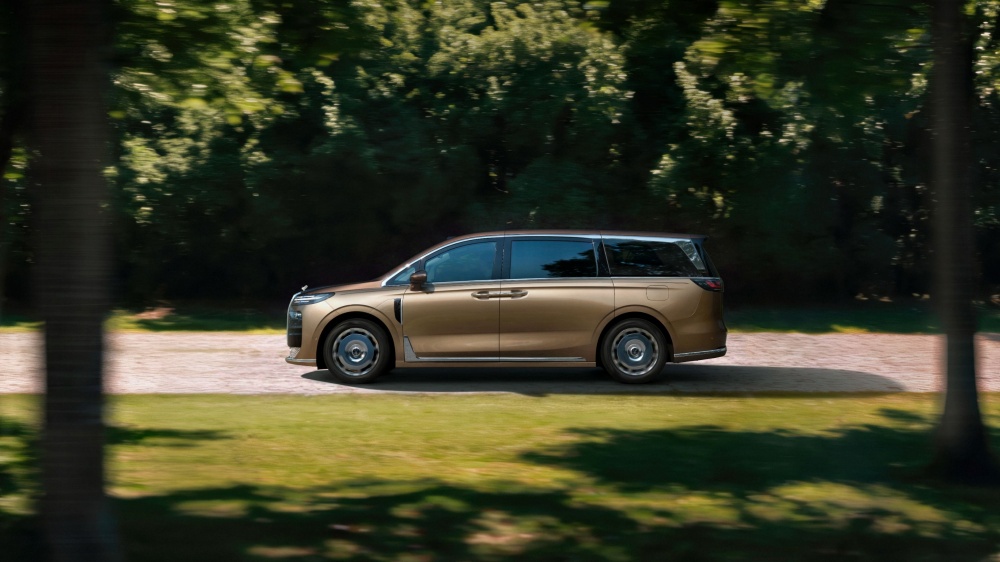
It is slightly larger than the Dream we saw at KLIMS, measuring 5,325mm long and 1,998mm wide, although its 3,200mm wheelbase remains unchanged. Height drops slightly to 1,805mm.
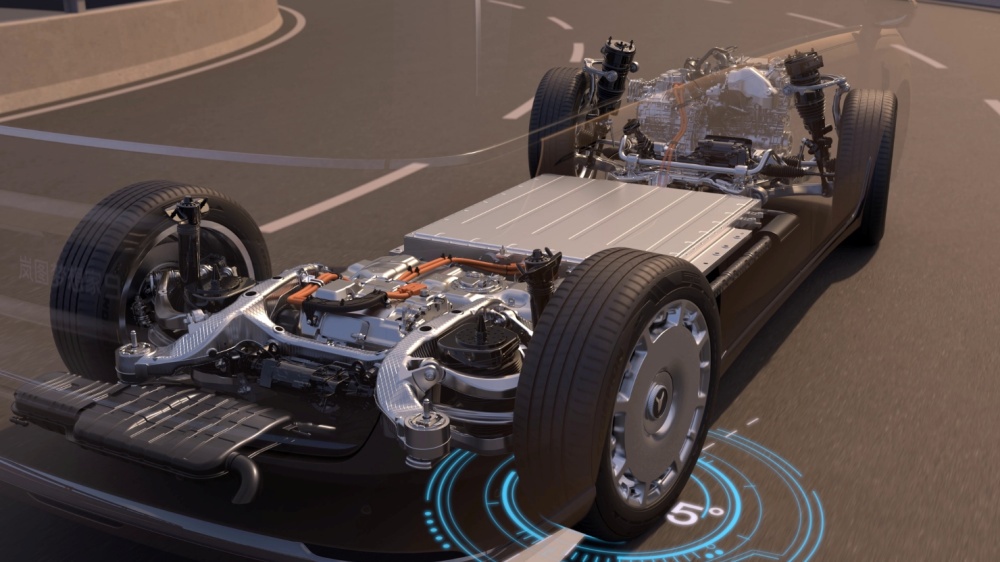
There are more substantial differences underneath. The Dream 9 uses Voyah’s Huju P chassis with double-wishbone front and five-link rear suspension, together with three-chamber air springs and dual-valve dampers. Rear-wheel steering is also fitted to improve manoeuvrability despite the MPV’s considerable size.
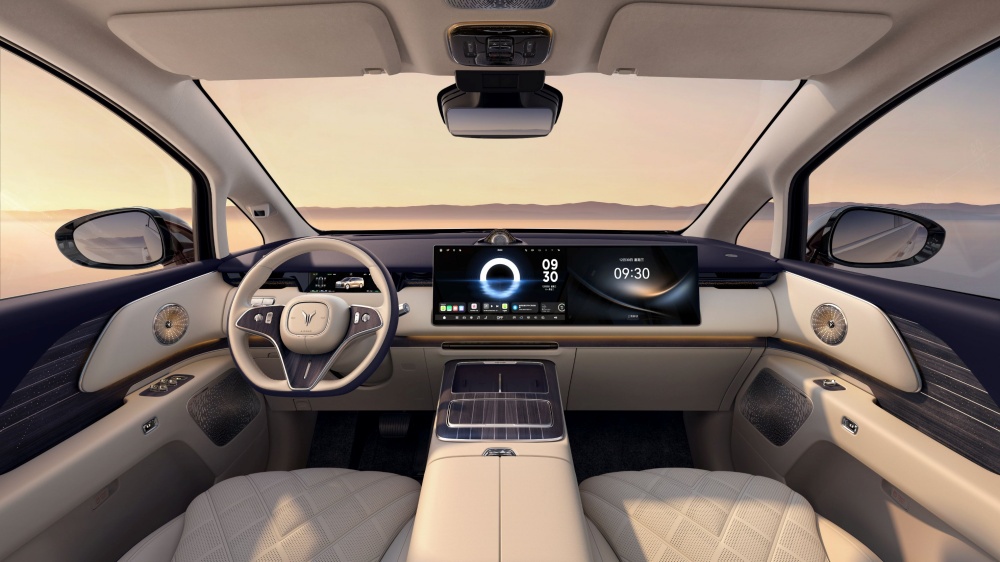
Both PHEV and EV versions use an 800V electrical architecture and support 5C fast charging. The PHEV receives a 65kWh battery, while the fully electric version uses a much larger 120kWh battery. Voyah says charging from 20% to 80% takes around 12 minutes under suitable conditions.
According to specifications reported from China, the EV uses a 175kW front motor and 300kW rear motor, while the PHEV combines a 1.5-litre turbocharged petrol engine with two electric motors for a total output of up to 555kW, or around 755PS. The EV is claimed to cover up to 701km on the CLTC cycle, while the PHEV offers up to 300 km of electric-only CLTC range.
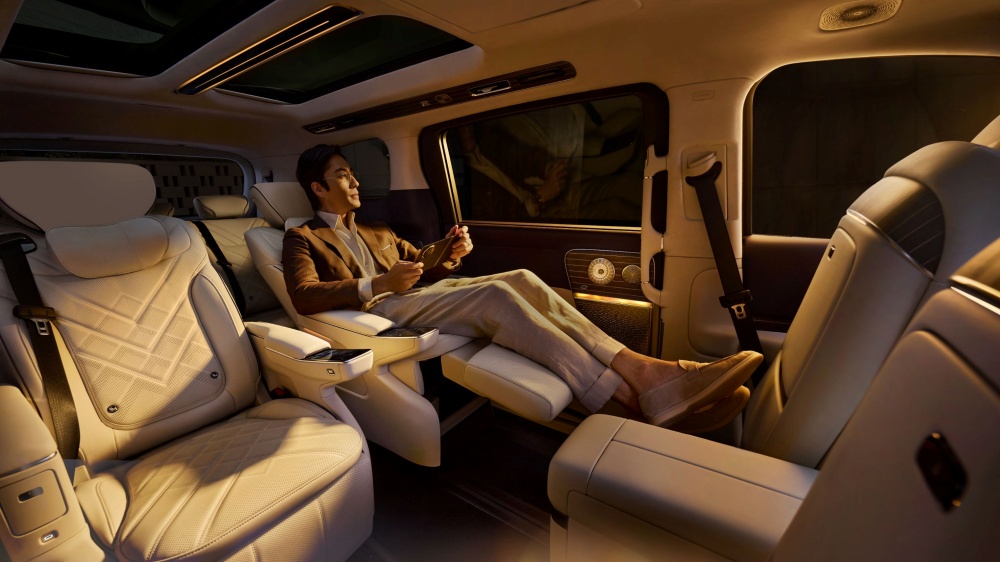
The Dream 9 also moves further into flagship territory inside. Second-row seats can rotate through 45, 90, or 180 degrees, allowing them to face the third row, while equipment includes folding displays, a refrigerator, and adaptive dimming glass for the rear passenger compartment.
Its driver assistance technology comes from Huawei, with the Dream 9 equipped with Qiankun ADS 5 and a collection of 37 sensors. The hardware includes an 896-line lidar unit and three additional solid-state lidar sensors, while the cabin runs Huawei’s HarmonySpace 6 system.
For Malaysia, Volt Auto has not publicly clarified whether the regular Dream will still be offered alongside the Dream 9, or whether Malaysia will bypass it altogether. Given that the Dream 9 already has a targeted Malaysian launch window, however, the latter is certainly possible.